








.png?width=292&height=292&name=Copy%20Link%20(1).png)

 SIGN UP FOR FREE NEWSLETTER
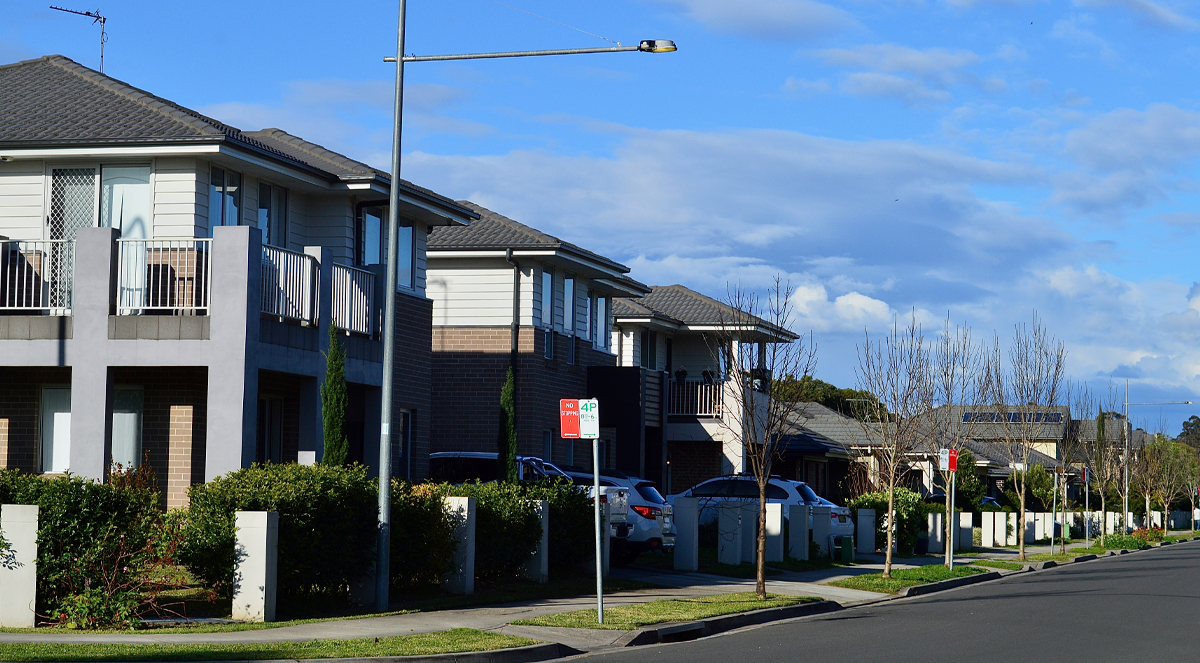
Sydney’s home ownership rate has fallen below 60% for the first time since the 1950s, reinforcing concerns that Australia’s largest city is increasingly becoming a place where ordinary households rent rather than own.
New analysis by KPMG shows the proportion of Sydney households living in a home they own fell from 61.1% in 2021 to 59.9% in 2025.
The decline stands in sharp contrast with Western Australia and Queensland, where home ownership rates have edged higher, and Victoria, where they have remained stable.
The figures suggest the Australian dream of home ownership is not disappearing everywhere.
Instead, affordability is redrawing the housing map, pushing more buyers towards cities and states where the gap between incomes and property prices remains less severe.
The details
KPMG’s analysis, which combines Census and ABS housing data with rental bond figures, estimates nearly 600,000 Australian households became owner-occupiers between 2021 and 2025.
That was higher than the roughly 490,000 new owner-occupier households recorded over the previous four-year period.
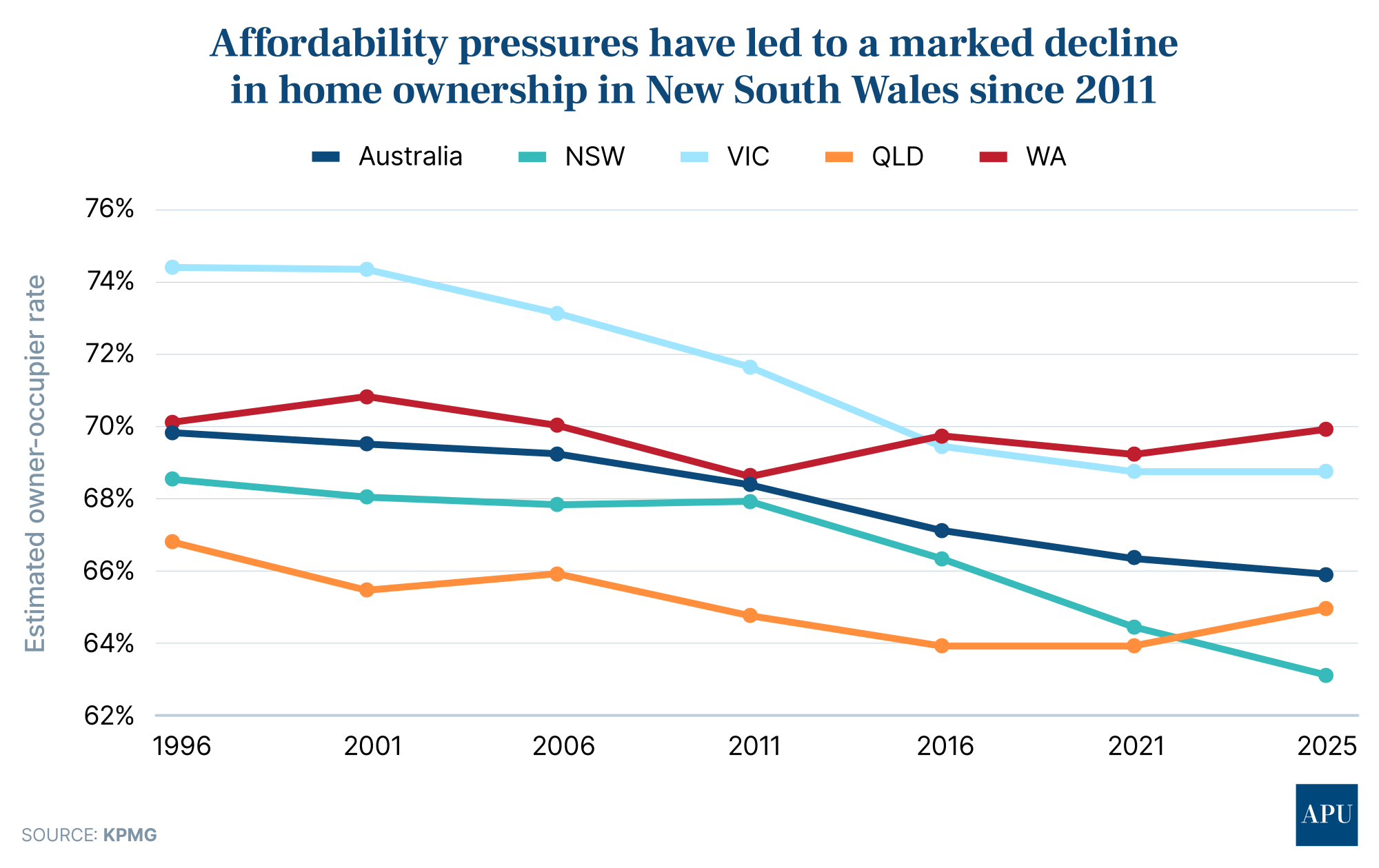
But because the total number of households also increased, the national owner-occupier rate slipped from 66.3% in 2021 to 65.9% in 2025.
The decline was largely driven by Sydney and regional New South Wales.
Excluding New South Wales, the national ownership rate was broadly unchanged.
KPMG Urban Economist Terry Rawnsley says Sydney’s ownership rate has now fallen to a level not seen in 70 years.
“Sydney has gone backwards on home ownership by more than half a century, which shows just how far affordability has moved against households trying to buy where they live,” he says.
Queensland’s owner-occupier rate increased from 63.9% to 64.9% between 2021 and 2025, while Western Australia’s rose from 69.2% to 69.9%.
Victoria held steady at 68.7%, helped by a greater supply of homes at price points accessible to first-home buyers, particularly in Melbourne’s outer growth corridors.
“Western Australia and Queensland offered a rare combination during the pandemic: relatively affordable homes, ultra-low borrowing costs and the flexibility for people to work from almost anywhere,” Mr Rawnsley says.
“As a result, people may have sold their homes in those states or taken advantage of cheaper housing to enter the property market when they otherwise could not have afforded to do so in somewhere like Sydney.
“The data shows affordability is redrawing the housing map.”
Sydney’s long decline
For much of the period between 1960 and 2010, close to 70% of Sydney residents lived in homes they owned.
KPMG says the turning point came around 2011, when property prices began rising faster than wages and the city’s rental stock expanded to house a growing population, including more international students.
The latest figure of 59.9% marks the first time Sydney’s ownership rate has slipped below 60% since 1954.
“During that post-war boom, all those suburban suburbs across Sydney were being built,” Terry Rawnsley says.
“First-home buyers were being courted to get into the housing market because people didn’t want to have the problems we had during the Great Depression.
“You had the situation where you could live in a two-bedroom fibro house, get in your FJ Holden, and drive to the factory 10 minutes away and your world revolved around that home ownership being the central point of it,” he says.
That model has become increasingly difficult to replicate.
Sydney’s median combined dwelling value (houses and units together) is about $1.26 million, while an average dual-income couple without children can affordably borrow a maximum of about $1.1 million with a 20% deposit, according to figures cited in the KPMG analysis.
Even recent price falls may provide limited relief because the largest declines have been concentrated in wealthier suburbs rather than the more affordable parts of the market typically targeted by first-home buyers.
The KPMG data seems to indicate that Sydney is no longer simply more expensive than other capitals - it’s increasingly operating as a different kind of housing market.
Melbourne’s median dwelling value has fallen to around $800,000, below Brisbane at $1.11 million, Perth at $1.04 million, Adelaide at $940,000 and Canberra at $880,000.
Although Brisbane and Perth have experienced rapid price growth since the pandemic, their lower starting points and relatively stronger housing supply allowed more households to buy during the period covered by KPMG’s analysis.
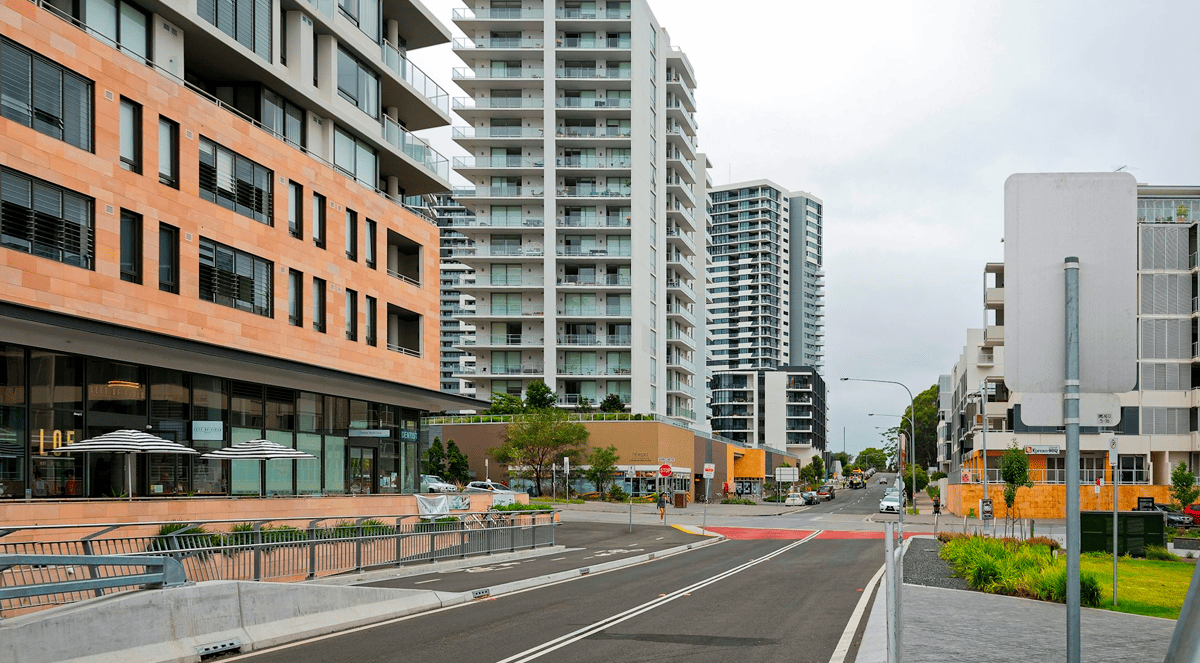
“The owner-occupiers rate in Melbourne held steady as stable housing supply, particularly in Melbourne’s greenfield growth areas, was available at price points accessible to first-home buyers,” Mr Rawnsley says.
But the experience of Brisbane and Perth also carries a warning.
Housing values in both cities have surged relative to incomes. Perth’s dwelling price-to-income ratio has risen from 4.5 in 2020 to 8.7, while Brisbane’s has climbed from 5.5 to 9.5.
Cotality’s Head of Research, Gerard Burg, has warned that south-east Queensland could eventually confront similar affordability pressures unless supply improves.
The take-out
The decline in home ownership in Sydney has consequences beyond whether households can avoid the relative insecurity of renting.
Australia’s retirement system was developed on the assumption that most people would enter retirement owning their home.
Households that remain renters face much higher ongoing housing costs and may require substantially more savings or public assistance later in life.
Mr Rawnsley says Australians continue to view ownership as both a source of security and the main path towards a comfortable retirement.
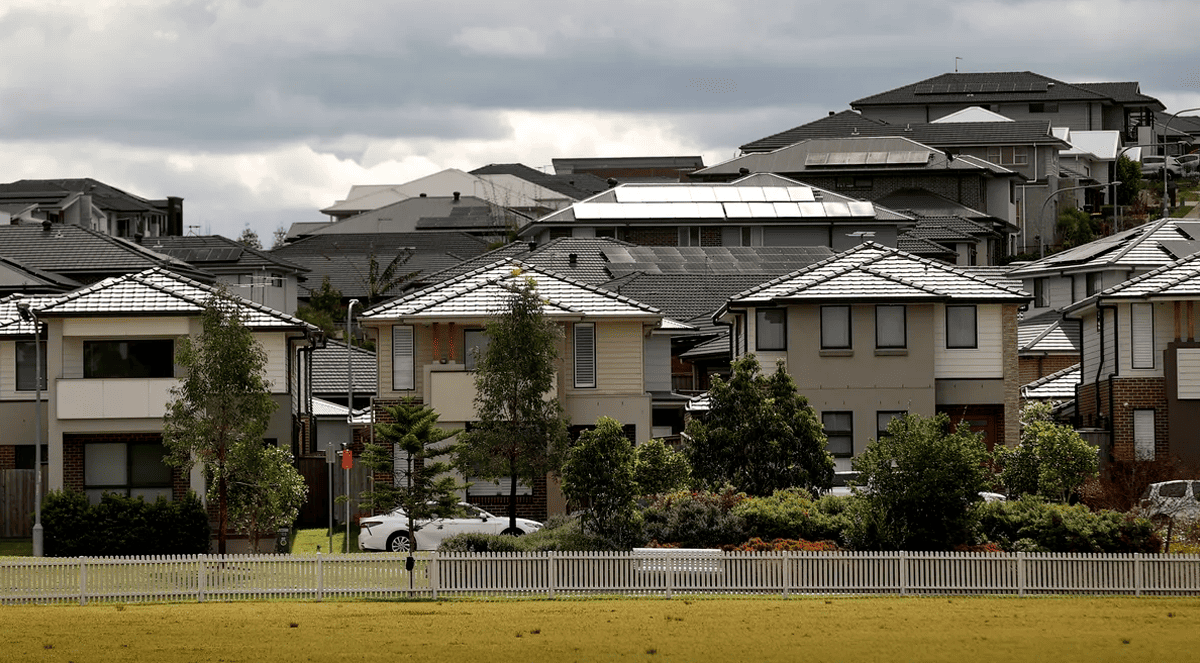
For some households, however, the only practical route into ownership may now involve leaving Sydney.



.jpg?width=1920&height=1080&name=WTF%20Is%20Happening%20To%20The%20Housing%20Market!%20$500%20Billion%20Wiped%20Out%20As%20Prices%20Fall%20Faster%20Every%20Month%20Scott%20Kuru%20YPU%20027%20(1).jpg)
%20Scott%20Kuru%20YPU%20025.jpg?width=1920&height=1080&name=This%20Is%20Worse%20Than%20A%20Recession%20RBA%20Admits%20Australias%20Wage%20Collapse%20Cant%20Be%20Stopped%20(Prepare%20Now)%20Scott%20Kuru%20YPU%20025.jpg)















.jpg?width=1920&height=1080&name=EXPOSED%20How%20The%20Govt%20Let%20These%20Oil%20Giants%20Get%20Away%20With%20Paying%20Zero%20Tax%20For%20Aussie%20Gas%20Scott%20Kuru%20DPU%20256%20(1).jpg)





%20Scott%20Kuru%20DPU%20248.jpg?width=1920&height=1080&name=Major%20Banks%20CAUGHT%20Preparing%20For%20Australia%E2%80%99s%20Biggest%20Housing%20Crash%20(Defaults%20%26%20Bankruptcies%20Coming)%20Scott%20Kuru%20DPU%20248.jpg)
%20Scott%20Kuru%20DPU%20247.jpg?width=1920&height=1080&name=This%20Is%20How%20Australia%20Gets%20Pushed%20Into%20the%20Next%20Big%20Reset%20(Trust%20Collapse%20Has%20Officially%20Begun)%20Scott%20Kuru%20DPU%20247.jpg)




%20Scott%20Kuru%20DPU%20239.jpg?width=1920&height=1080&name=URGENT%20Life%20In%20Australia%20Has%20Become%20Impossible%20For%20Millions%20Of%20Aussies%20(It%E2%80%99s%20About%20To%20Get%20Worse)%20Scott%20Kuru%20DPU%20239.jpg)





%20Scott%20Kuru%20DPU%20227.jpg?width=1920&height=1080&name=URGENT%20ALERT%20Australia%E2%80%99s%20Property%20Market%20Is%20Sliding%20Into%20Something%20Much%20Bigger%20(Prepare%20Now)%20Scott%20Kuru%20DPU%20227.jpg)





%20Scott%20Kuru%20DPU%20221.jpg?width=1920&height=1080&name=The%20AI%20Situation%20in%20Australia%20Just%20Hit%20a%20Point%20of%20No%20Return...%20(Major%20Bank%20Proves%20It)%20Scott%20Kuru%20DPU%20221.jpg)