









.png?width=292&height=292&name=Copy%20Link%20(1).png)

 SIGN UP FOR FREE NEWSLETTER
War in the Middle East and stubborn inflation have led one of the “big four” banks to downgrade its expectations for Australian housing price growth, with Sydney and Melbourne both forecast to see negative price growth this year.
However, ANZ’s research arm sees the two major cities bouncing back to lead a national price recovery in 2027.
The details
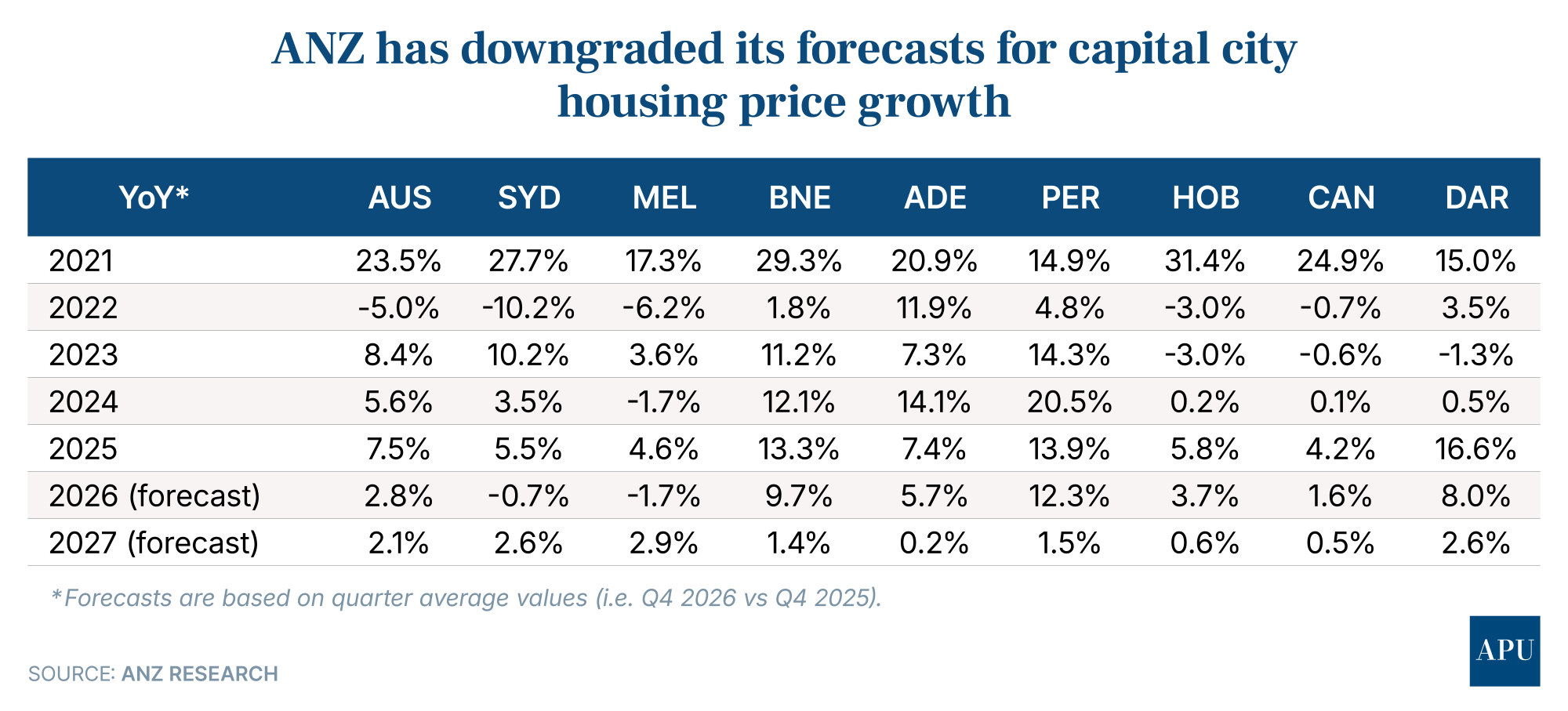
ANZ Research has downgraded its capital city housing price forecasts, saying higher interest rates and weak consumer confidence are likely to weigh on Australia’s housing market.
It now expects home prices in the capital cities to notch up 2.8% growth (down from an earlier forecast of 4.8%) this calendar year and 2.1% in 2027.
In an economic note, ANZ’s Head of Australian Economics, Adam Boyton, and economist Madeline Dunk say the Sydney and Melbourne property markets are showing signs of slowing, and “we expect them to underperform in 2026.”
In contrast, they say Adelaide, Brisbane, Perth, Hobart and Canberra are likely to underperform in 2027 after a period of strong growth across many of the mid-sized capital cities.
“Since the escalation of the Middle East conflict in late February, we have added another 25bp (0.25%) hike to our RBA profile and now expect the cash rate to peak at 4.35% in May,” Adam Boyton and Madeline Dunk say.
“This would fully reverse the 75bp of cuts seen in 2025 and would leave rates in what we view as restrictive territory.”
The economists note that consumer confidence has fallen sharply in recent weeks, with the ANZ-Roy Morgan Australian Consumer Confidence index recently chalking up its lowest reading since it started in 1973.
The economists say the “uncertain backdrop” of the Middle East conflict and higher interest rates are likely to soften Australia’s housing market in 2026.
“There have already been signs of a pullback in momentum, with auction clearance rates slowing in recent weeks.”
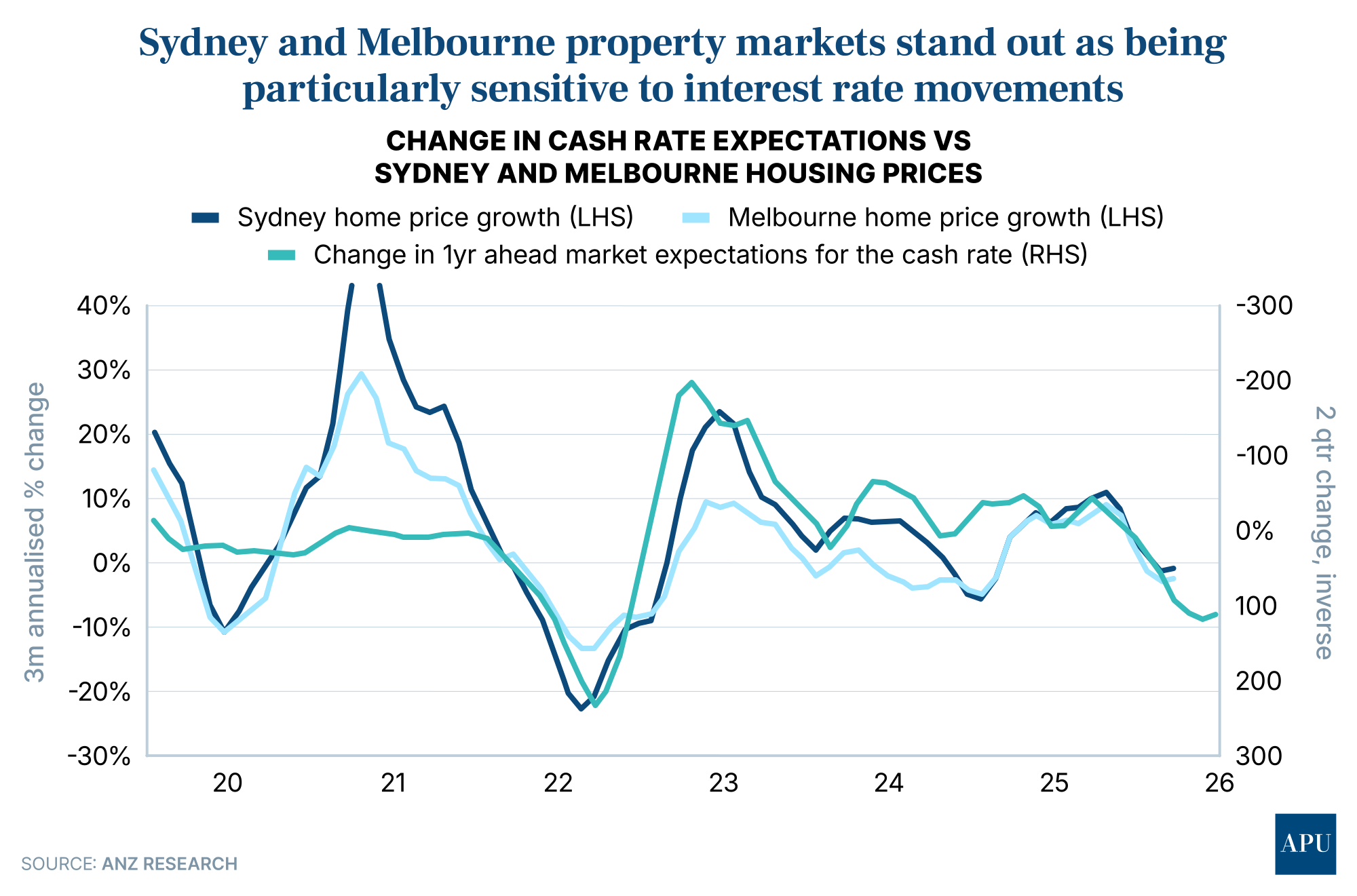
“Sydney and Melbourne housing prices are below October 2025 levels, and properties in the top quartile of these markets have declined for five consecutive months,” they note, pointing out how property prices in Australia’s two largest markets “tend to be more rates-sensitive.”
As a result, ANZ Research expects to see the sharpest slowdown in prices in Sydney and Melbourne, with small falls in housing prices in 2026.
Sydney is likely to finish the year down 0.7%, while Melbourne prices will ease 1.7%.
The booming property markets of Brisbane, Perth, Adelaide and Darwin will also slow, but the ANZ economists expect this is likely to be more pronounced in late 2026 and early 2027.
“Listings are currently very low in these markets and price growth has remained robust in early 2026,” Adam Boyton and Madeline Dunk note.
But they say that, as the year progresses, “higher rates, slowing activity and affordability constraints” are likely to dramatically slow price growth.
“We expect Adelaide, Brisbane and Perth to underperform in 2027.”
That would see Brisbane - tipped to grow at 9.7% this year - slow to just 1.4% growth in 2027.
Most dramatic would be a rapid slowdown in Perth - forecast to clock another year of stellar price growth in 2026 with 12.3% - which would see the WA capital record just 1.5% growth in 2027.
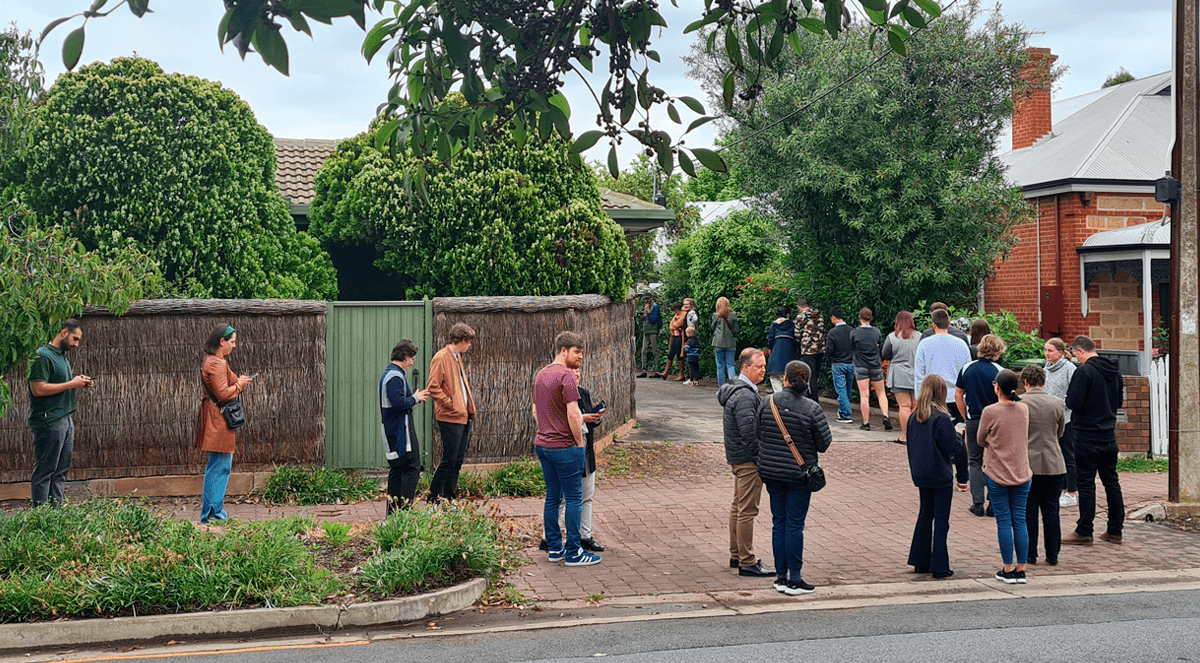
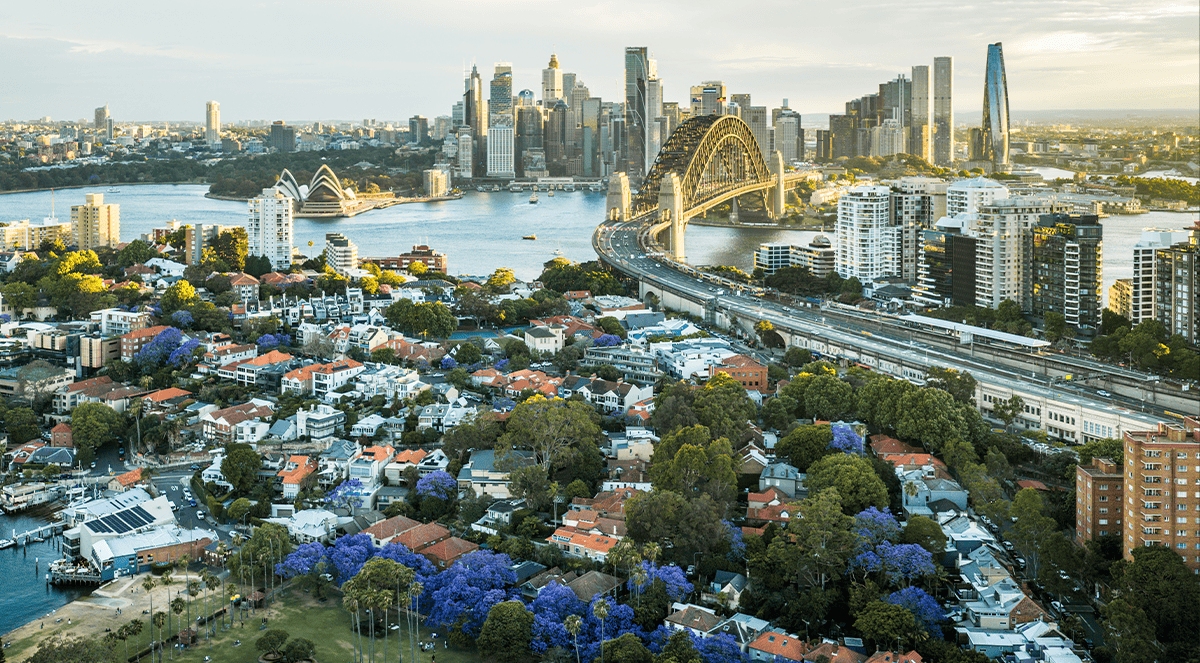
Meanwhile, Sydney and Melbourne are expected to bounce back quickly from a year of negative growth.
Melbourne is forecast to be the fastest-growing Australian city in 2027, recording price growth of 2.9%, followed by Sydney and Darwin at 2.6%.
More generally, the ANZ team remains upbeat about the prospects for Australian residential property.
“We think widespread falls in housing prices are unlikely given the structural tightness of the market,” Adam Boyton and Madeline Dunk say.
“Higher interest rates and building costs are likely to negatively impact supply, while population growth is expected to remain solid.”
The economists note that the upcoming federal budget “appears likely to include changes to the taxation of housing, such as a reduction in the capital gains tax (CGT) discount, as well as potential limits to negative gearing.”
However, they say that “given this policy uncertainty, we have not explicitly included tax changes in our housing price forecasts but rather acknowledge them as a source of risk.”






.jpg?width=1920&height=1080&name=WTF%20Is%20Happening%20To%20The%20Housing%20Market!%20$500%20Billion%20Wiped%20Out%20As%20Prices%20Fall%20Faster%20Every%20Month%20Scott%20Kuru%20YPU%20027%20(1).jpg)
%20Scott%20Kuru%20YPU%20025.jpg?width=1920&height=1080&name=This%20Is%20Worse%20Than%20A%20Recession%20RBA%20Admits%20Australias%20Wage%20Collapse%20Cant%20Be%20Stopped%20(Prepare%20Now)%20Scott%20Kuru%20YPU%20025.jpg)
























.jpg?width=1920&height=1080&name=EXPOSED%20How%20The%20Govt%20Let%20These%20Oil%20Giants%20Get%20Away%20With%20Paying%20Zero%20Tax%20For%20Aussie%20Gas%20Scott%20Kuru%20DPU%20256%20(1).jpg)







%20Scott%20Kuru%20DPU%20248.jpg?width=1920&height=1080&name=Major%20Banks%20CAUGHT%20Preparing%20For%20Australia%E2%80%99s%20Biggest%20Housing%20Crash%20(Defaults%20%26%20Bankruptcies%20Coming)%20Scott%20Kuru%20DPU%20248.jpg)
%20Scott%20Kuru%20DPU%20247.jpg?width=1920&height=1080&name=This%20Is%20How%20Australia%20Gets%20Pushed%20Into%20the%20Next%20Big%20Reset%20(Trust%20Collapse%20Has%20Officially%20Begun)%20Scott%20Kuru%20DPU%20247.jpg)







%20Scott%20Kuru%20DPU%20239.jpg?width=1920&height=1080&name=URGENT%20Life%20In%20Australia%20Has%20Become%20Impossible%20For%20Millions%20Of%20Aussies%20(It%E2%80%99s%20About%20To%20Get%20Worse)%20Scott%20Kuru%20DPU%20239.jpg)










%20Scott%20Kuru%20DPU%20227.jpg?width=1920&height=1080&name=URGENT%20ALERT%20Australia%E2%80%99s%20Property%20Market%20Is%20Sliding%20Into%20Something%20Much%20Bigger%20(Prepare%20Now)%20Scott%20Kuru%20DPU%20227.jpg)





%20Scott%20Kuru%20DPU%20221.jpg?width=1920&height=1080&name=The%20AI%20Situation%20in%20Australia%20Just%20Hit%20a%20Point%20of%20No%20Return...%20(Major%20Bank%20Proves%20It)%20Scott%20Kuru%20DPU%20221.jpg)