









.png?width=292&height=292&name=Copy%20Link%20(1).png)

 SIGN UP FOR FREE NEWSLETTER
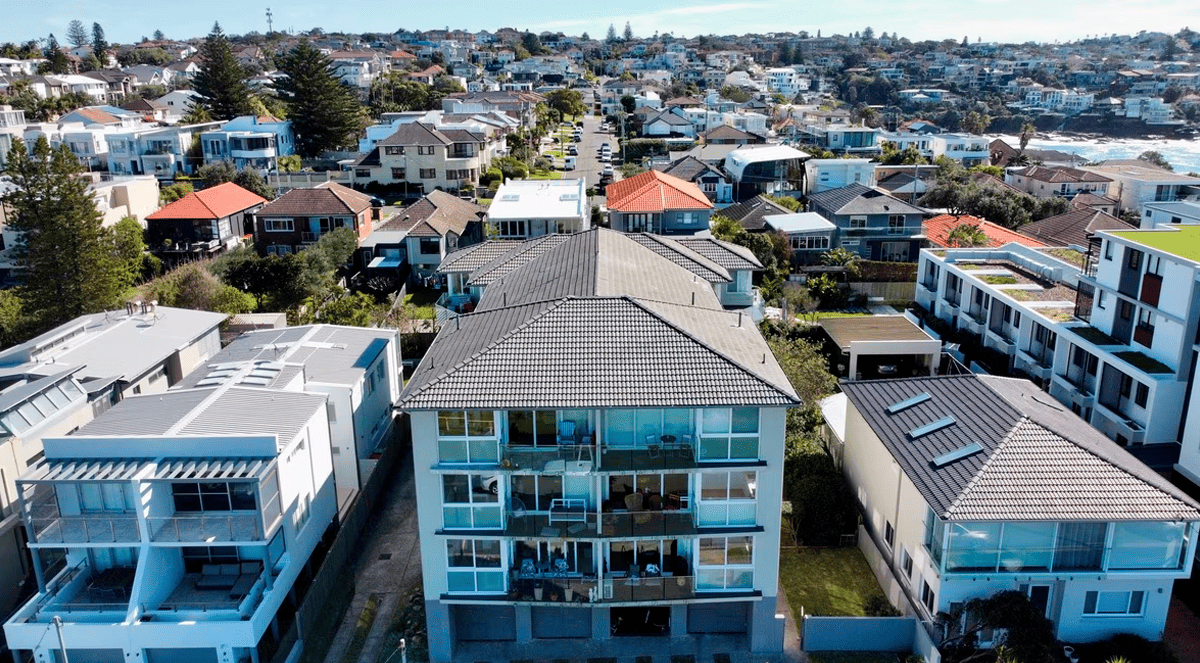
Image from ABC News/John Gunn
Australia’s housing market capped off a strong 2025 with solid gains across most of the country, even as the pace of growth began to ease late in the year.
It’s a shift that data analytics firm Cotality says points to a softer, but still resilient, housing market in 2026.
You can find my YouTube video on these numbers here.
The details
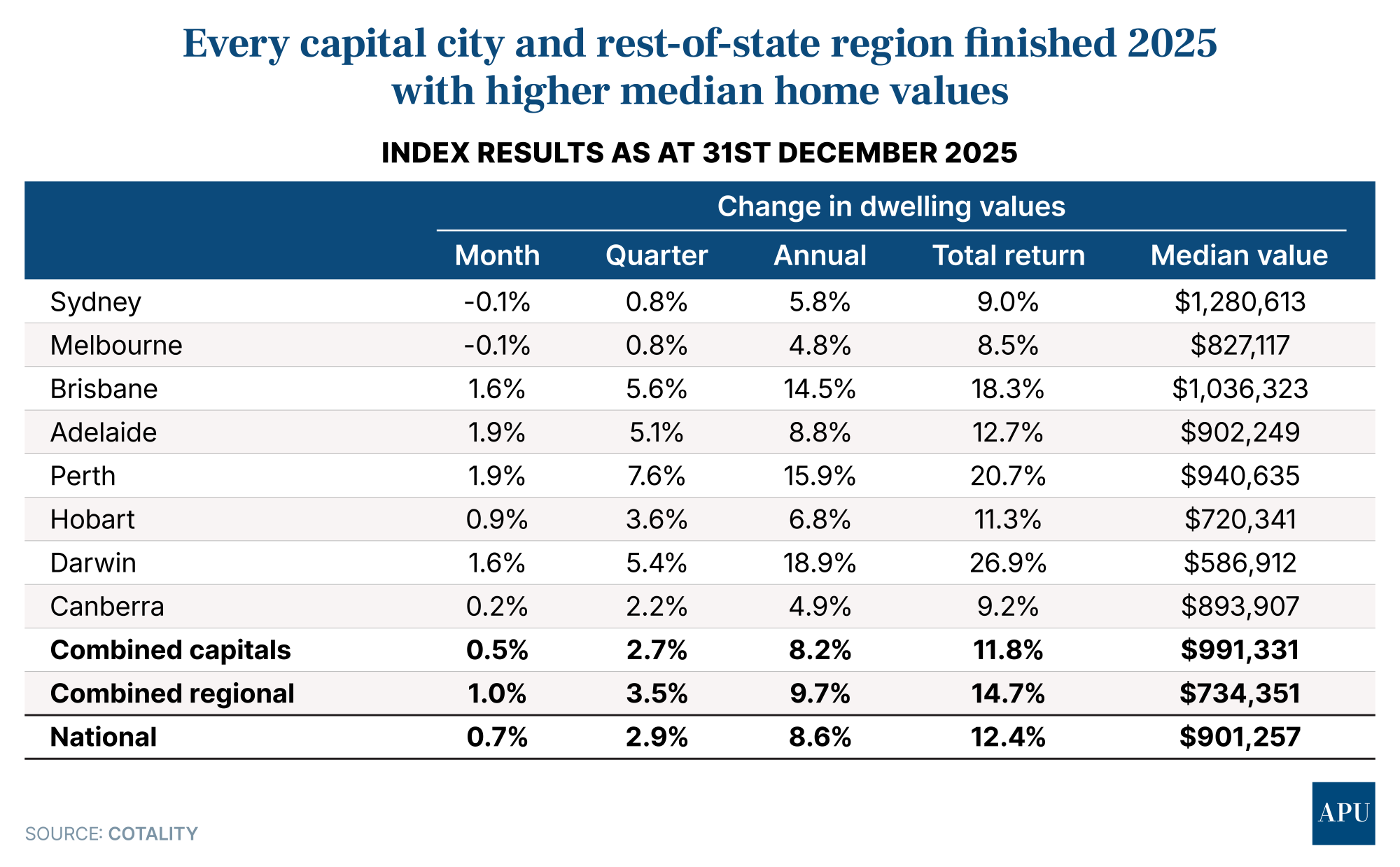
Cotality’s national Home Value Index rose 0.7% in December 2025, another monthly boost to end a year of strong gains that saw dwelling values lift 8.6% overall.
That annual increase added roughly $71,400 to the national median home value, marking the strongest calendar-year result since the extraordinary pandemic-driven boom of 2021.
While Sydney and Melbourne recorded modest 0.1% declines in December, every other capital city and broad rest-of-state region finished 2025 with values still rising, underscoring the breadth of the upswing.
The slight pullback in Australia’s two largest cities in the last month of the year marked the first month-on-month decline since January 2025, just before interest rate cuts began in February.
Cotality research director Tim Lawless says the late-year easing reflected shifting sentiment rather than a fundamental change in market conditions.
“Renewed speculation that the rate-cutting cycle is over and the next move from the RBA could be a hike has dented housing confidence,” Mr Lawless says.
“A ‘higher for longer’ setting on interest rates, alongside a resurgence in cost-of-living pressures and worsening affordability pressures, looks to have taken some heat out of the market.”
2025: A strong performance
Even so, the strength of the past year is hard to ignore.
Every capital city and rest-of-state region recorded growth in 2025, with the small Darwin market leading the capitals with an extraordinary 18.9% lift.
Perth’s housing boom continued for another year, with the West Australian capital recording a 15.9% gain, with a noticeable acceleration in growth (7.6%) in the last quarter of 2025 and a 1.9% lift in December alone.
The median home in Perth is now worth $940,635, with only Sydney and Brisbane’s medians higher.
Brisbane has seen another year of strong gains, with values rising 14.5% in the 2025 calendar year to a new record median of $1,036,323.
Despite a small decline in December of 0.1%, Sydney finished the year up 5.8%, with the median home in the harbour city now worth a staggering $1,280,613.
Despite being the weakest capital city performer, Melbourne still posted a solid 4.8% gain, taking its median dwelling price to $827,117.
With Sydney’s price premium over its traditional rival now blowing out to 55% (the long-term average is about 30%), Melbourne finds itself in the unusual position of having some of the cheapest housing of any capital city, with only Hobart and Darwin boasting lower median prices.
Flight to affordability
Cotality says affordability pressures continued to shape where home value growth was the strongest in 2025.
Higher-priced homes weighed on headline results, while more affordable segments of the market outperformed.
Nationally, upper-quartile dwelling values rose just 0.2% in December 2025, compared with a 1.1% increase across the lower quartile and middle of the market.

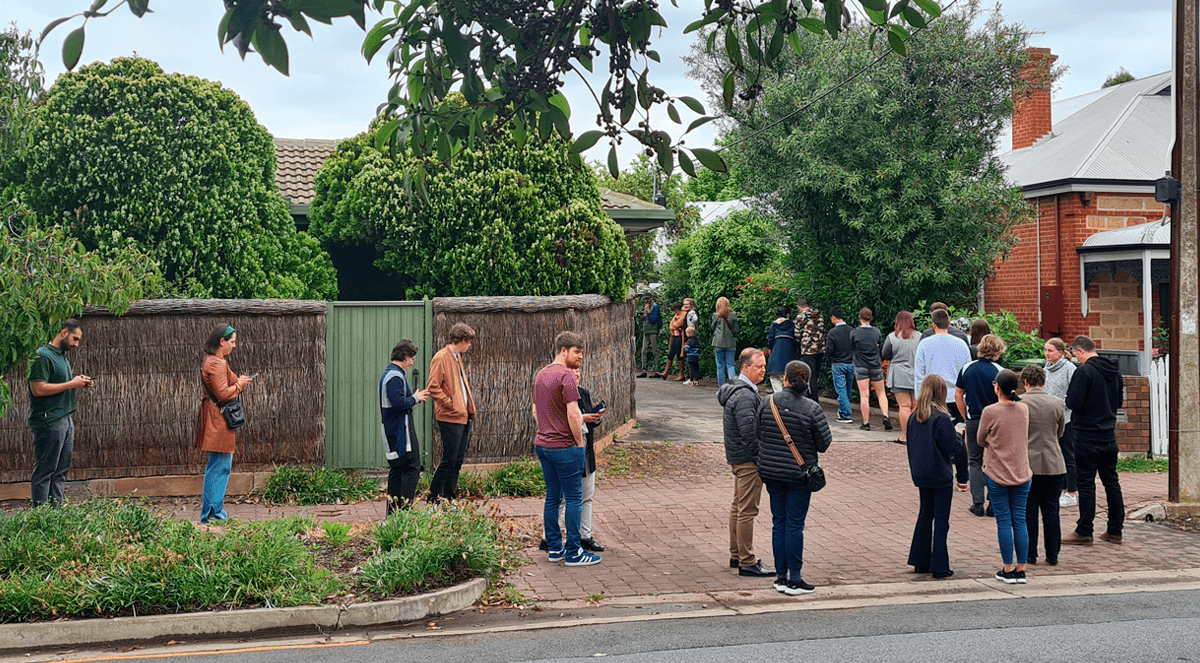
“This trend, where upper quartile values have recorded a lower rate of growth, has played out across every capital city through the year, as affordability and serviceability pressures deflect demand towards the lower price points,” Cotality’s Tim Lawless says.
Regional markets once again proved a key source of strength.
Although growth eased slightly in December, regional values rose 9.7% over the year, comfortably outpacing the 8.2% increase across the combined capitals.
Regional Western Australia led with a 16.1% annual rise, followed by Regional Queensland at 12.6%.
The outlook
Looking ahead, Cotality expects housing conditions in 2026 to remain positive, though more subdued than the standout gains of 2025.
Inflation uncertainty, interest rate settings and stretched affordability are likely to temper confidence, but structural supply shortages are expected to provide a firm floor under prices.
Inflation risks have returned to the spotlight, even with the official cash rate still sitting above its long-run average and the Reserve Bank focused on returning inflation to its mandated 2-3% target.
Even so, Cotality notes that housing supply remains persistently tight, both in terms of new construction and existing listings, a fact that should continue to support home values.
Affordability pressures are likely to keep demand concentrated in lower-to-middle price points, where competition from first-home buyers and investors remains strongest.
Government incentives aimed at first-home buyers are also expected to help maintain momentum at the entry level of the market.
Overall, the outlook points to continued growth in home values through 2026, albeit at a slower and more uneven pace than in 2025.
Cotality says the combination of low supply, targeted stimulus and ongoing demand should help prevent any material downturn, leaving Australia’s housing market on a steadier, but still upward, trajectory.







.jpg?width=1920&height=1080&name=WTF%20Is%20Happening%20To%20The%20Housing%20Market!%20$500%20Billion%20Wiped%20Out%20As%20Prices%20Fall%20Faster%20Every%20Month%20Scott%20Kuru%20YPU%20027%20(1).jpg)
%20Scott%20Kuru%20YPU%20025.jpg?width=1920&height=1080&name=This%20Is%20Worse%20Than%20A%20Recession%20RBA%20Admits%20Australias%20Wage%20Collapse%20Cant%20Be%20Stopped%20(Prepare%20Now)%20Scott%20Kuru%20YPU%20025.jpg)



























.jpg?width=1920&height=1080&name=EXPOSED%20How%20The%20Govt%20Let%20These%20Oil%20Giants%20Get%20Away%20With%20Paying%20Zero%20Tax%20For%20Aussie%20Gas%20Scott%20Kuru%20DPU%20256%20(1).jpg)







%20Scott%20Kuru%20DPU%20248.jpg?width=1920&height=1080&name=Major%20Banks%20CAUGHT%20Preparing%20For%20Australia%E2%80%99s%20Biggest%20Housing%20Crash%20(Defaults%20%26%20Bankruptcies%20Coming)%20Scott%20Kuru%20DPU%20248.jpg)
%20Scott%20Kuru%20DPU%20247.jpg?width=1920&height=1080&name=This%20Is%20How%20Australia%20Gets%20Pushed%20Into%20the%20Next%20Big%20Reset%20(Trust%20Collapse%20Has%20Officially%20Begun)%20Scott%20Kuru%20DPU%20247.jpg)







%20Scott%20Kuru%20DPU%20239.jpg?width=1920&height=1080&name=URGENT%20Life%20In%20Australia%20Has%20Become%20Impossible%20For%20Millions%20Of%20Aussies%20(It%E2%80%99s%20About%20To%20Get%20Worse)%20Scott%20Kuru%20DPU%20239.jpg)










%20Scott%20Kuru%20DPU%20227.jpg?width=1920&height=1080&name=URGENT%20ALERT%20Australia%E2%80%99s%20Property%20Market%20Is%20Sliding%20Into%20Something%20Much%20Bigger%20(Prepare%20Now)%20Scott%20Kuru%20DPU%20227.jpg)