









.png?width=292&height=292&name=Copy%20Link%20(1).png)

 SIGN UP FOR FREE NEWSLETTER
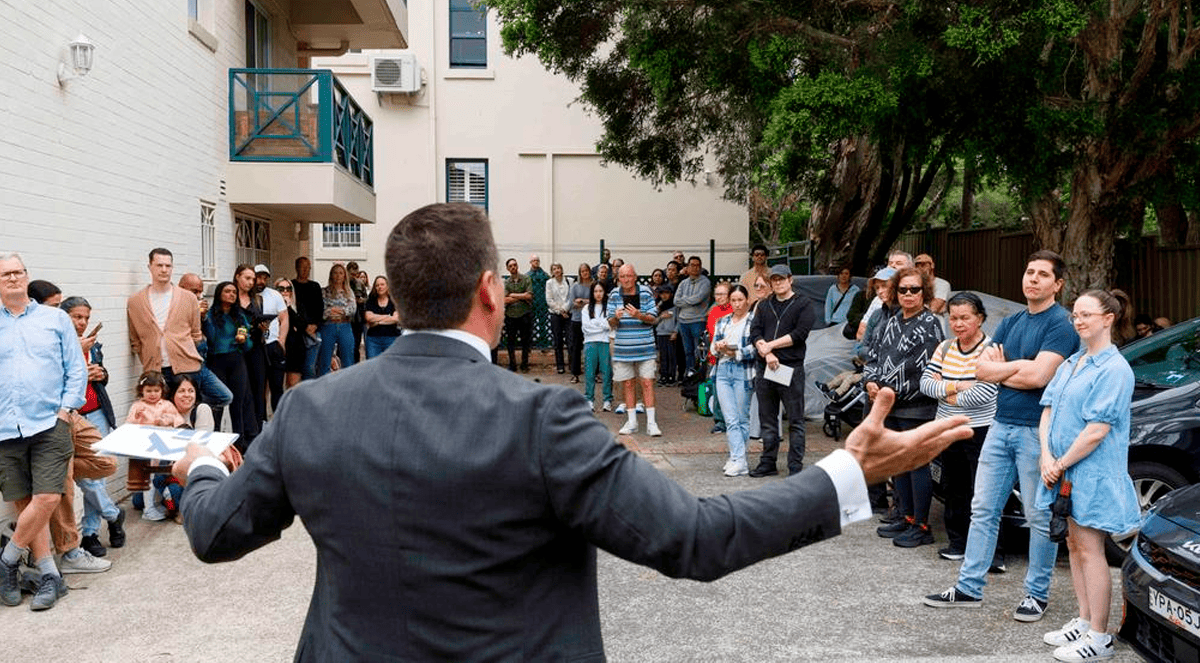
Image by Max Mason-Hubers
New figures showing median rents jumping by as much as $50 a week have called into question the Albanese Government’s claim that its Budget property tax changes would raise average rents by less than $2 a week over time.
Data from Domain, REA Group’s PropTrack and Cotality show Australia’s rental market appears to be gathering pace again, with all three companies reporting record rents, extremely low vacancy rates and renewed price growth across much of the country.
While the latest rental data does not directly prove the Federal Budget’s property tax changes caused the latest increases, the timing is difficult to dismiss.
The fact that there have been large jumps in asking rents in some markets also raises an uncomfortable question for Labor - could changes designed to help renters become homeowners make conditions harder for those who remain in the rental market?
The details
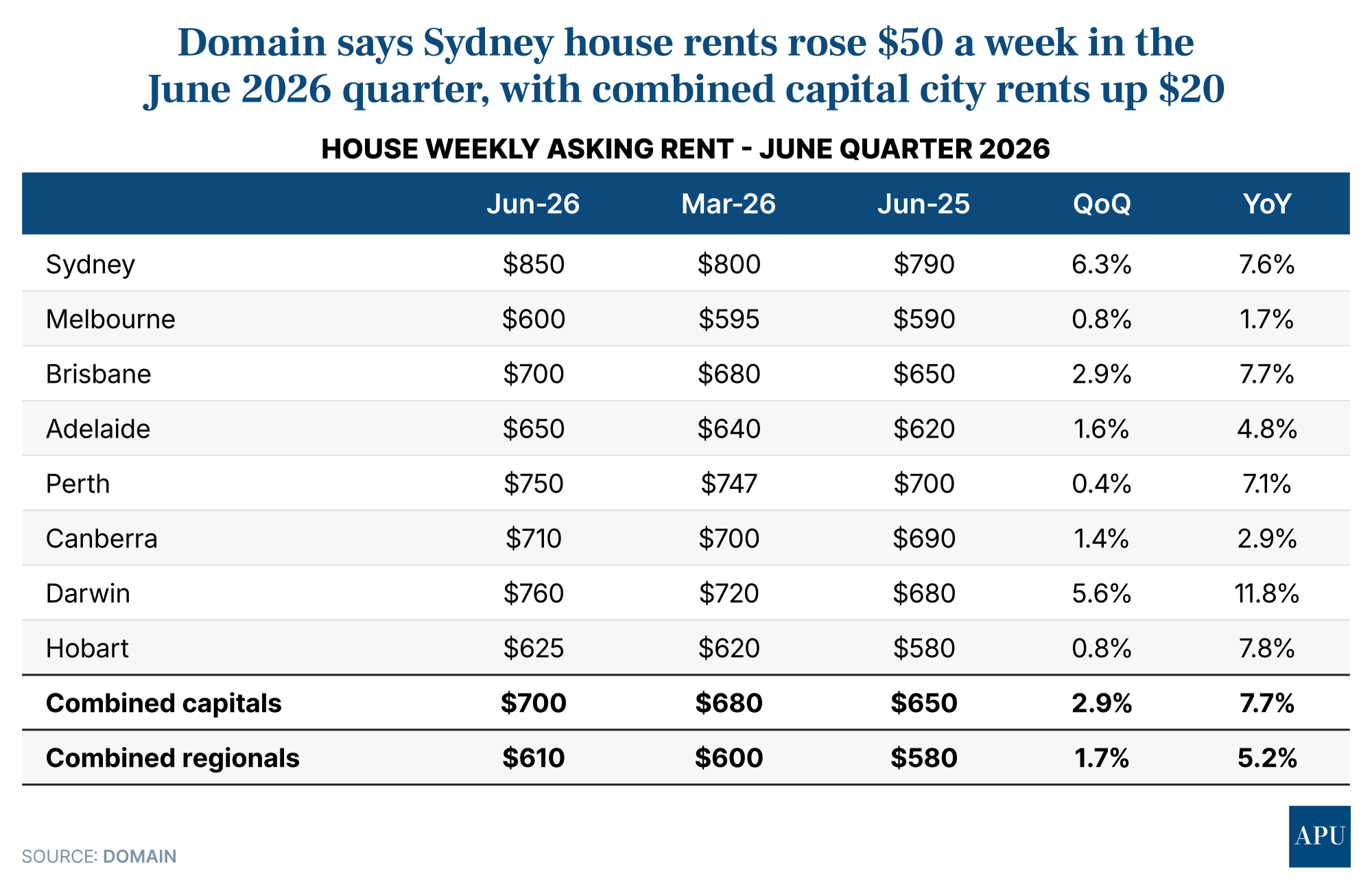
Domain says a sudden acceleration in asking rents during the June quarter of 2026 coincided with greater clarity around the Government’s proposed changes to negative gearing and capital gains tax.
Its analysis suggests some landlords moved early to raise rents where market conditions allowed, partly to offset higher borrowing costs and partly in anticipation of tighter rental supply.
Domain says the most dramatic movement was in Sydney, where the median house rent jumped $50 in three months to a record $850 a week.
That represented quarterly growth of 6.3%, the strongest result in four years and roughly five times the pace recorded a year earlier.
PropTrack also says Sydney house rents jumped $50 a week to $850 during the June quarter.
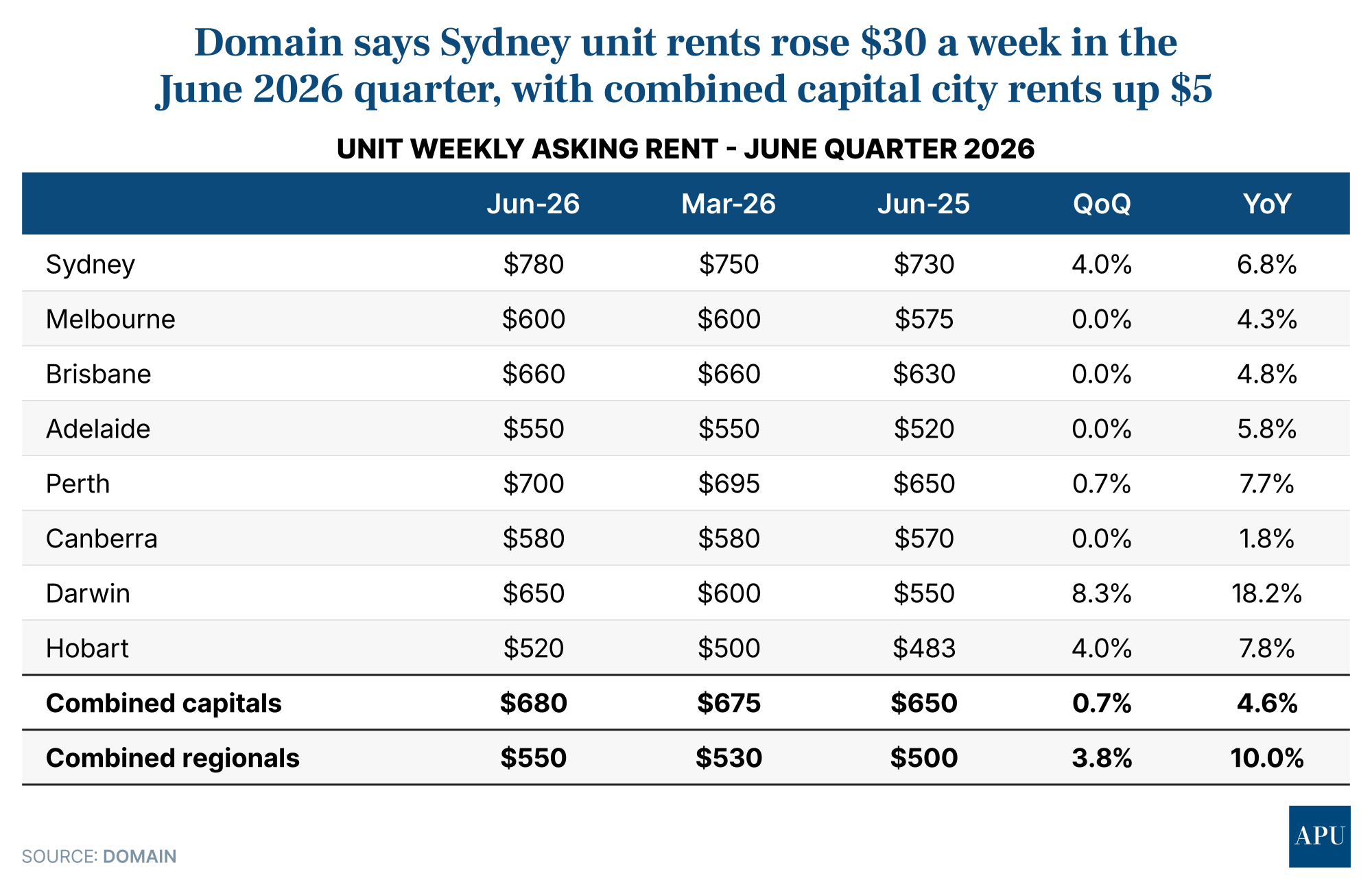
Unit rents rose $30 to $780 a week, an increase of 4%.
“For Sydney house rents to go up $50 a week in just three months is extraordinary,” says Domain’s Chief of Research and Economics, Dr Nicola Powell.
“This quarterly growth in Sydney is roughly five times faster than a year ago.”
The acceleration was not confined to Australia’s largest city.
Domain found combined capital-city house rents rose $20 during the quarter to $700 a week, lifting annual growth to 7.7%.
Darwin house rents increased 5.6% over the quarter, Brisbane rose 2.9%, Adelaide 1.6% and Canberra 1.4%.
Even Melbourne, which remains Australia’s most affordable mainland capital for house renters, reached a record $600 a week.
Domain described the increases as stronger than normal seasonal patterns and relatively abrupt in some cities, pointing to a “step-change in pricing behaviour” rather than a gradual tightening of rental conditions.
Its June Quarter 2026 Rent Report says that, as the government’s proposed investment policy changes became clearer during April and May, landlords appeared to bring forward rental increases where the market gave them room to do so.
Higher interest costs following three Reserve Bank rate rises this year (in February, March and May) were also likely to have contributed.
Dr Powell says the full effect of the Budget changes would take time to emerge.
“With low vacancy rates everywhere, we’re seeing this is still a landlords’ market, but while the Federal Budget changes will impact future investors significantly, that change hasn’t come through yet and won’t show up for another few quarters,” she says.
“But the rent rises suggest that landlords are moving quickly in advance to lift rents where market conditions allow, and this will only get worse.”
PropTrack economist Luc Redman agrees.
“The May Federal Budget, which announced sweeping changes to investor tax settings, occurred in the middle of the quarter, so the full impact on the rental market is yet to be seen,” he says.
“While the vacancy rate has edged higher, the expected decrease in investor demand due to the budget’s tax changes could slow the pace of new supply, putting further pressure on rents.”
That suggests further rent hikes could be on the cards as investors adjust to the new tax settings.
Three reports, one direction
Domain’s findings are broadly supported by separate rental reports from Cotality and PropTrack, although each provider uses a different methodology and produces different median figures.
Cotality’s Rental Review found national rents rose 1.6% in the June quarter and 5.9% over the year, lifting the median dwelling rent to $705 a week.
Annual rental growth has now been trending higher since reaching a cyclical low of 3.4% in mid-2025.
Cotality says national rents have increased 40.6% over the last five years, adding $204 a week to the median rental bill.
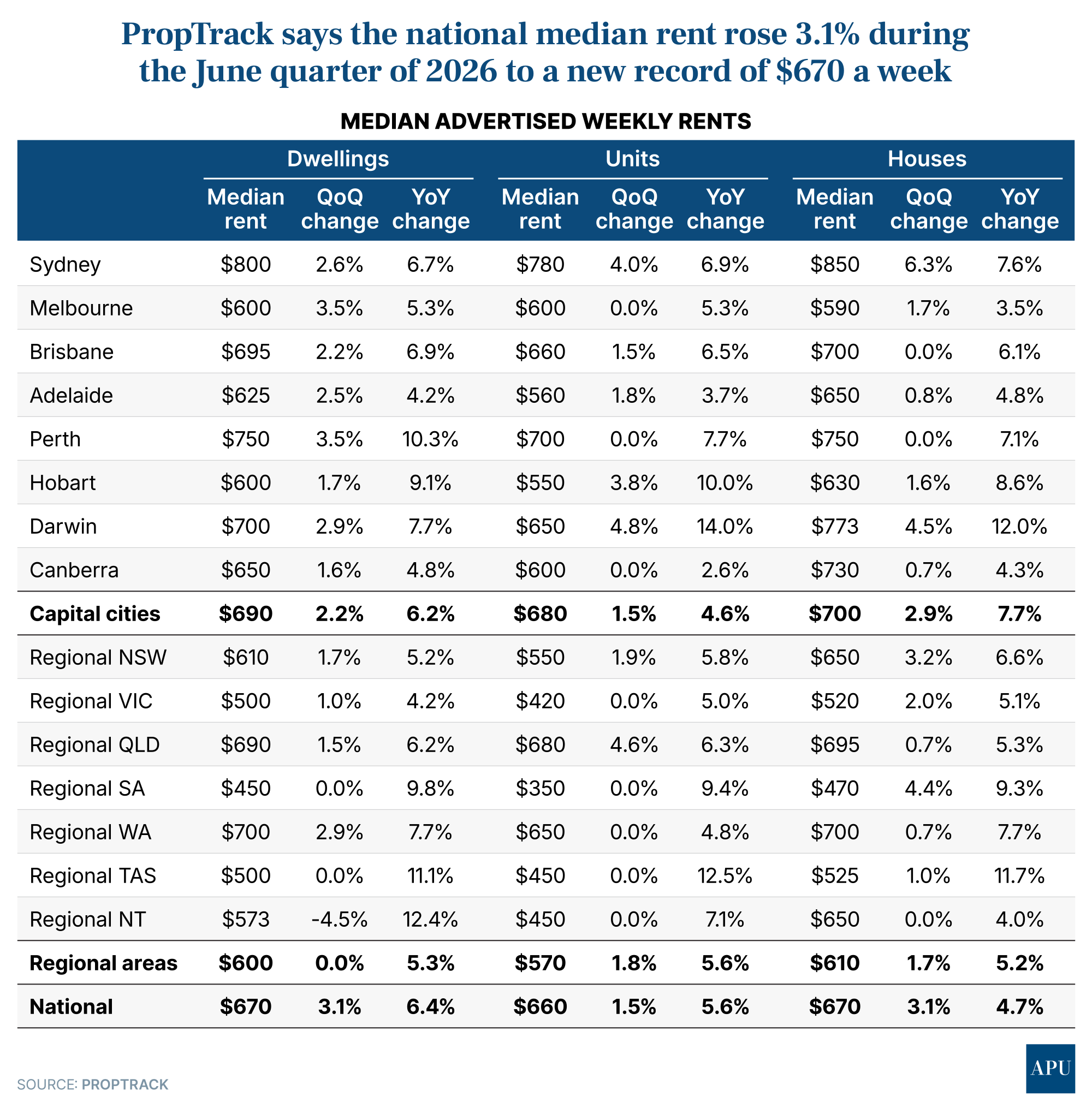
PropTrack, which uses advertised rental listings on realestate.com.au, found the national median rent rose 3.1% during the quarter to a record $670 a week, up 6.4% annually.
Across the capital cities, PropTrack says the median advertised rent reached $690 a week, $40 higher than a year earlier.
Every capital recorded quarterly growth, with Melbourne and Perth leading at 3.5%.
The underlying shortage
The rental market was already deeply unbalanced before the May Budget.
Cotality says the national vacancy rate remained at just 1.6% during the June quarter, while the number of available rental listings was 16.7% below the five-year average.
Listings were 26.1% below average in Darwin, 24.1% lower in Sydney and 18.4% below normal levels in Melbourne.
Every capital recorded a vacancy rate below 2%, with Adelaide the tightest at just 1%.
“With vacancy rates compressed so tightly, tenants are left with very little leverage,” Cotality Head of Research Gerard Burg says.
That shortage matters when assessing the potential effects of the Government’s tax changes.
Labor argues that limiting negative gearing and the capital gains tax discount for future purchases of established homes will reduce competition between investors and first-home buyers.
Investors will retain concessions when purchasing newly built property, with the aim of redirecting private capital towards additional housing supply.
The difficulty is that new housing cannot always be produced quickly.
Apartment projects face high construction and financing costs, planning delays and labour shortages.
Australia is already well behind the pace needed to deliver the five-year National Housing Accord target of 1.2 million homes by mid-2029, with recent ABS building data showing that after 21 months, only 307,635 homes had been completed.
That compares with the 420,000 needed to stay on track for the 1.2 million-home target.
The take-out
It would be wrong to claim that every dollar of the latest rental increases resulted from the Federal Budget tax changes.
Rental markets in cities like Sydney are already severely undersupplied and rate rises mean landlords with mortgages are paying considerably more interest.
Construction has failed to keep pace with population growth, and affordability pressures have been building for years.
The Government says that over time, the Budget measures are expected to reduce rental demand to some extent if more tenants become homeowners.
But markets respond to expectations as well as policies once they formally take effect.
Investors don’t necessarily wait until new rules formally begin before changing their plans.
Domain’s Nicola Powell says some long-term investors were already considering selling before the reforms took effect.
“Investors who have held property for a long time are saying, ‘We’ve done well. Let’s sell before the tax changes come in and before prices fall significantly,’” she says.
“So I’m worried the situation will get worse as the tax changes will make investing less attractive.”
That’s the risk now confronting the Government.
The latest rent increases cannot be pinned solely on tax reform.
But three major rental reports show the policy is being introduced into a market with virtually no spare capacity.
If investor demand falls faster than new housing can be delivered, the pressure will be felt in the same place it is already showing up: higher rents and fewer choices for the one-third of Australians who are tenants.
That would make the Budget’s forecast of an average weekly rent impact of less than $2 increasingly difficult to defend.











.jpg?width=1920&height=1080&name=WTF%20Is%20Happening%20To%20The%20Housing%20Market!%20$500%20Billion%20Wiped%20Out%20As%20Prices%20Fall%20Faster%20Every%20Month%20Scott%20Kuru%20YPU%20027%20(1).jpg)
%20Scott%20Kuru%20YPU%20025.jpg?width=1920&height=1080&name=This%20Is%20Worse%20Than%20A%20Recession%20RBA%20Admits%20Australias%20Wage%20Collapse%20Cant%20Be%20Stopped%20(Prepare%20Now)%20Scott%20Kuru%20YPU%20025.jpg)























.jpg?width=1920&height=1080&name=EXPOSED%20How%20The%20Govt%20Let%20These%20Oil%20Giants%20Get%20Away%20With%20Paying%20Zero%20Tax%20For%20Aussie%20Gas%20Scott%20Kuru%20DPU%20256%20(1).jpg)







%20Scott%20Kuru%20DPU%20248.jpg?width=1920&height=1080&name=Major%20Banks%20CAUGHT%20Preparing%20For%20Australia%E2%80%99s%20Biggest%20Housing%20Crash%20(Defaults%20%26%20Bankruptcies%20Coming)%20Scott%20Kuru%20DPU%20248.jpg)
%20Scott%20Kuru%20DPU%20247.jpg?width=1920&height=1080&name=This%20Is%20How%20Australia%20Gets%20Pushed%20Into%20the%20Next%20Big%20Reset%20(Trust%20Collapse%20Has%20Officially%20Begun)%20Scott%20Kuru%20DPU%20247.jpg)







%20Scott%20Kuru%20DPU%20239.jpg?width=1920&height=1080&name=URGENT%20Life%20In%20Australia%20Has%20Become%20Impossible%20For%20Millions%20Of%20Aussies%20(It%E2%80%99s%20About%20To%20Get%20Worse)%20Scott%20Kuru%20DPU%20239.jpg)










%20Scott%20Kuru%20DPU%20227.jpg?width=1920&height=1080&name=URGENT%20ALERT%20Australia%E2%80%99s%20Property%20Market%20Is%20Sliding%20Into%20Something%20Much%20Bigger%20(Prepare%20Now)%20Scott%20Kuru%20DPU%20227.jpg)