









.png?width=292&height=292&name=Copy%20Link%20(1).png)

 SIGN UP FOR FREE NEWSLETTER
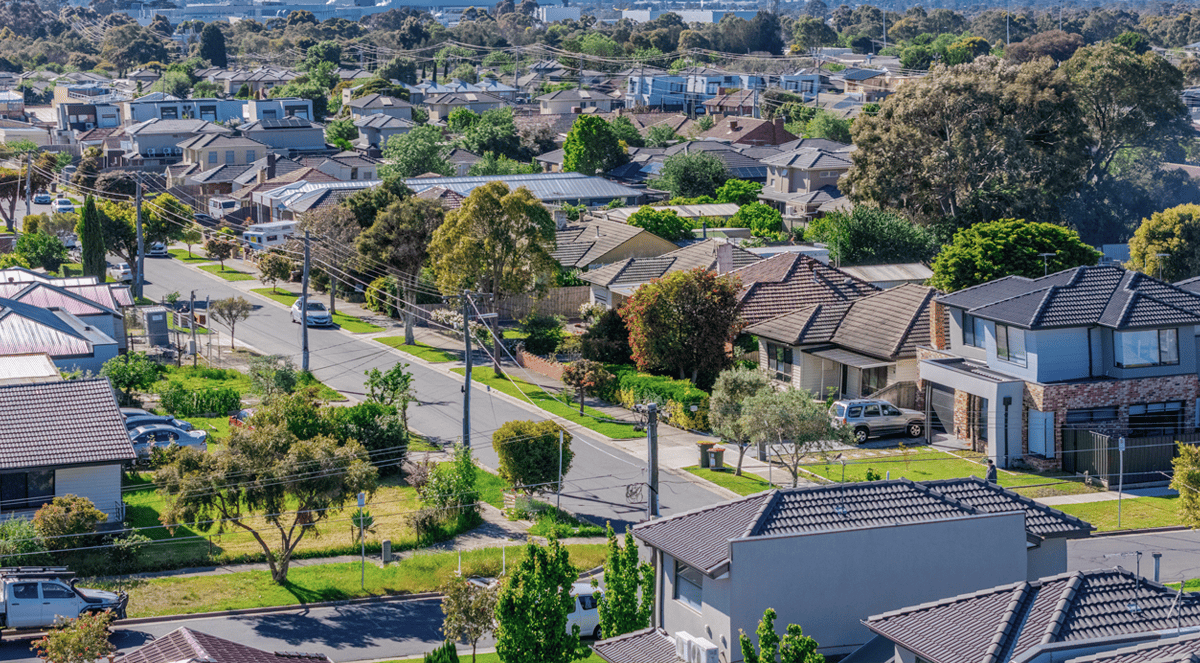
In good news for Australians with a mortgage, the case for the Reserve Bank of Australia to keep official interest rates on hold at its upcoming February board meeting has strengthened, following an apparent easing in inflation.
Data from the Australian Bureau of Statistics shows inflation rose 3.4% in the year to November 2025, down from a 3.8% rise in the 12 months to the end of October.
The core inflation measure favoured by the RBA also eased.
A former RBA insider says the data questions the narrative that Australia is in the grip of a renewed inflation breakout.
Former RBA Assistant Governor Luci Ellis, who’s now the Chief Economist at Australia’s second largest retail bank - Westpac - has also indicated the latest inflation data does nothing to challenge her view that official interest rates will remain on hold for the rest of 2026.
The details
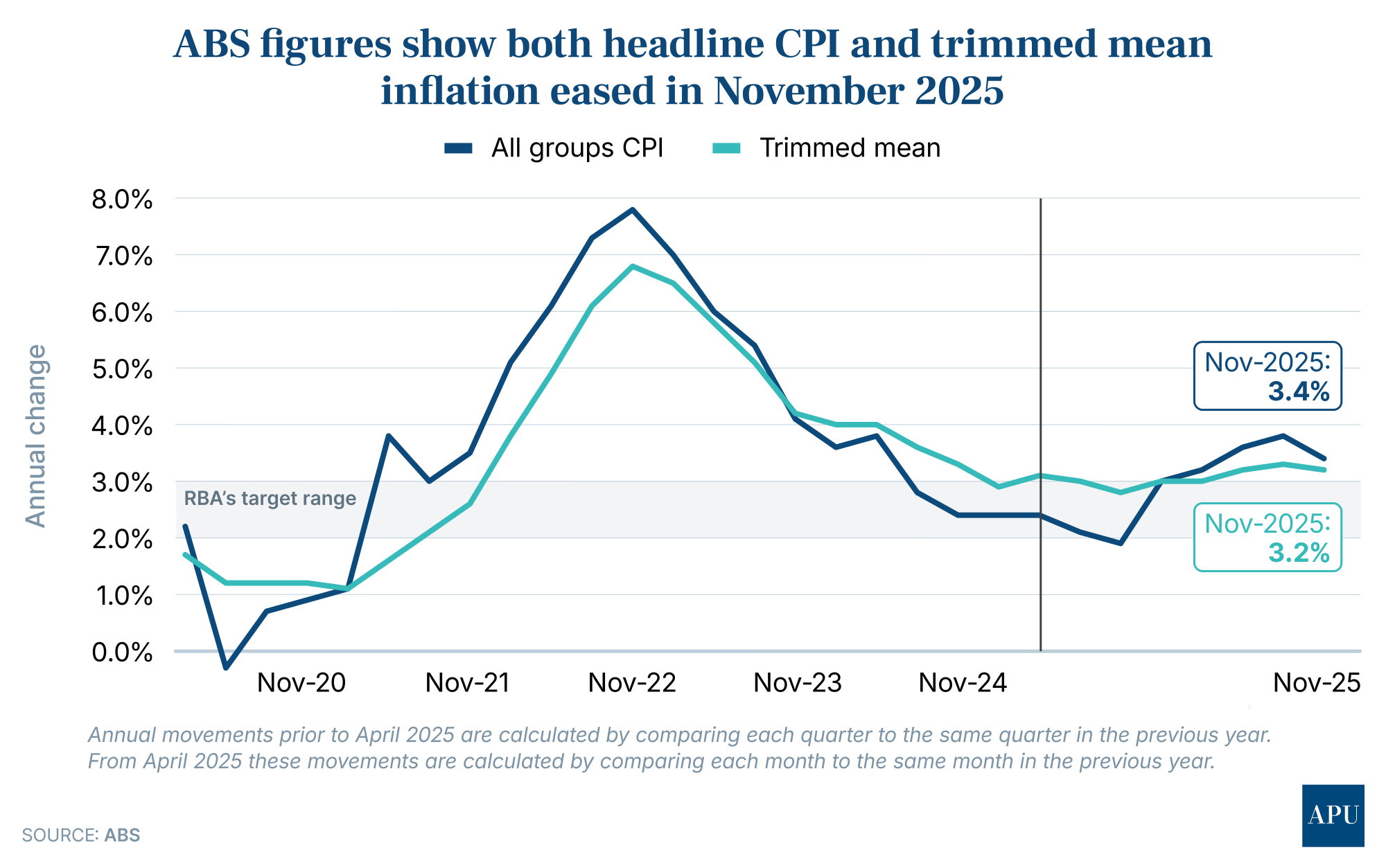
Australia’s official inflation gauge, the Consumer Price Index, rose 3.4% in the 12 months to November 2025, according to the latest data from the ABS, down from 3.8% in October.
The figure was below market predictions of 3.6%.
The largest contributors to annual inflation in November were Housing (which includes rents and the costs of building a new home), up 5.2%, Food and non-alcoholic beverages, up 3.3% and Transport (which includes petrol prices), which rose 2.7%.
Putting downward pressure on the inflation calculations was a big drop in annualised electricity costs (down from 37.1% in October to 19.7% in the 12 months to the end of November) as the effect of Commonwealth and State power rebates came to an end.
Trimmed mean inflation - a core inflation measure which strips out volatile items - was 3.2% in the 12 months to November 2025, down from 3.3% in October.
This is the preferred measure of the Reserve Bank of Australia, which is mandated to keep annual inflation in a 2-3% target range, using the only real tool at its disposal - raising or lowering the official cash rate.
While still above the RBA’s target band, the lower-than-expected November inflation numbers should ease some of the pressure on the central bank to increase interest rates at its meeting in February.
The RBA held the cash rate at 3.6% in December 2025, but Governor Michele Bullock was clear in her warning that interest rate hikes could be on the horizon and further cuts were unlikely.
Westpac’s Chief Economist, Luci Ellis, describes the November inflation numbers as “a very pleasant surprise”, but cautions there’s “a lot of noise in the data at the moment”, with changes to the way the monthly data is calculated, the impact of Black Friday retail discounting and the ending of power rebates.
However, the former RBA Assistant Governor says the overall picture suggests that fears of another serious inflation breakout in Australia (after sharp falls in 2024 and 2025) may be overstated.
“What I'm seeing so far really suggests to me that narrative of… ‘Oh, actually, Australia's got renewed inflation, Australia's still got this inflation problem’.... Actually, it looks like more of it is noise than (what) some of those commentators were suggesting,” Ms Ellis told ABC News.
Luci Ellis says the November inflation data also “solidifies the idea” of Westpac’s call that official interest rates will remain on hold at the current 3.6% throughout 2026, although she is not ruling out the possibility the central bank might increase rates again to take some of the steam out of the economy.
The other major Australian bank predicting no change to interest rates in 2026 is ANZ.
Economists Adelaide Timbrell and Adam Boyton say in a briefing note that “while inflation looks to have run uncomfortably high in the second half of 2025, we expect the RBA to hold the cash rate at 3.60% at its Monetary Policy Board meeting next month.”
“It will, however, be a close decision, and we’d expect a rate hike to be explicitly discussed.
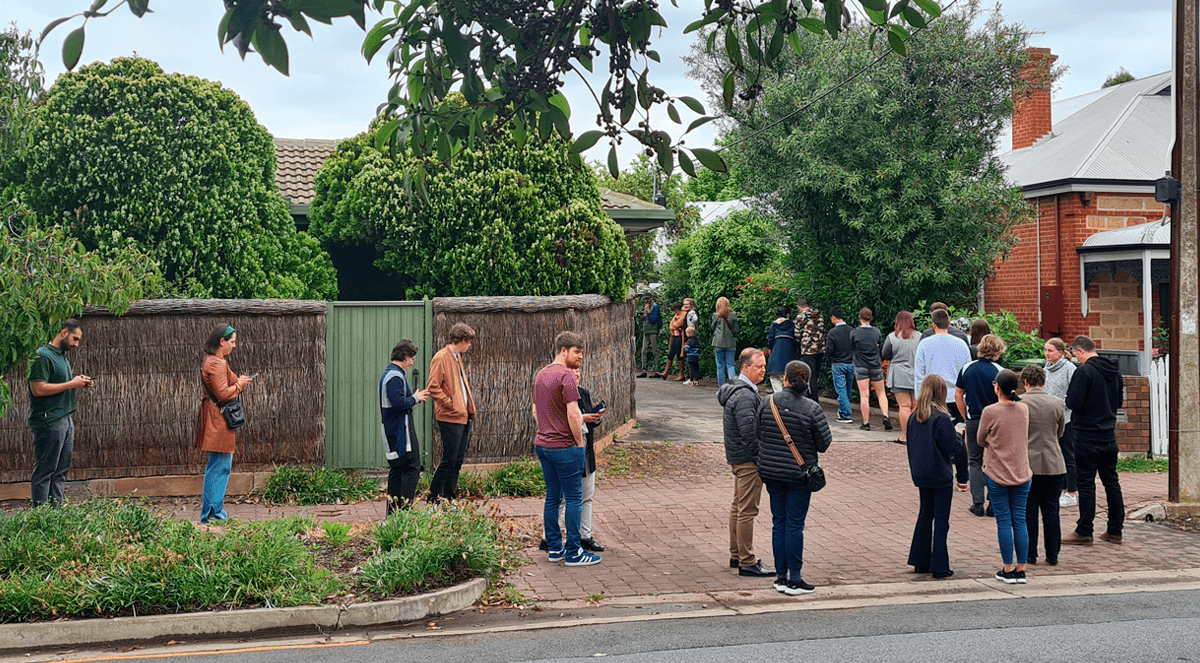
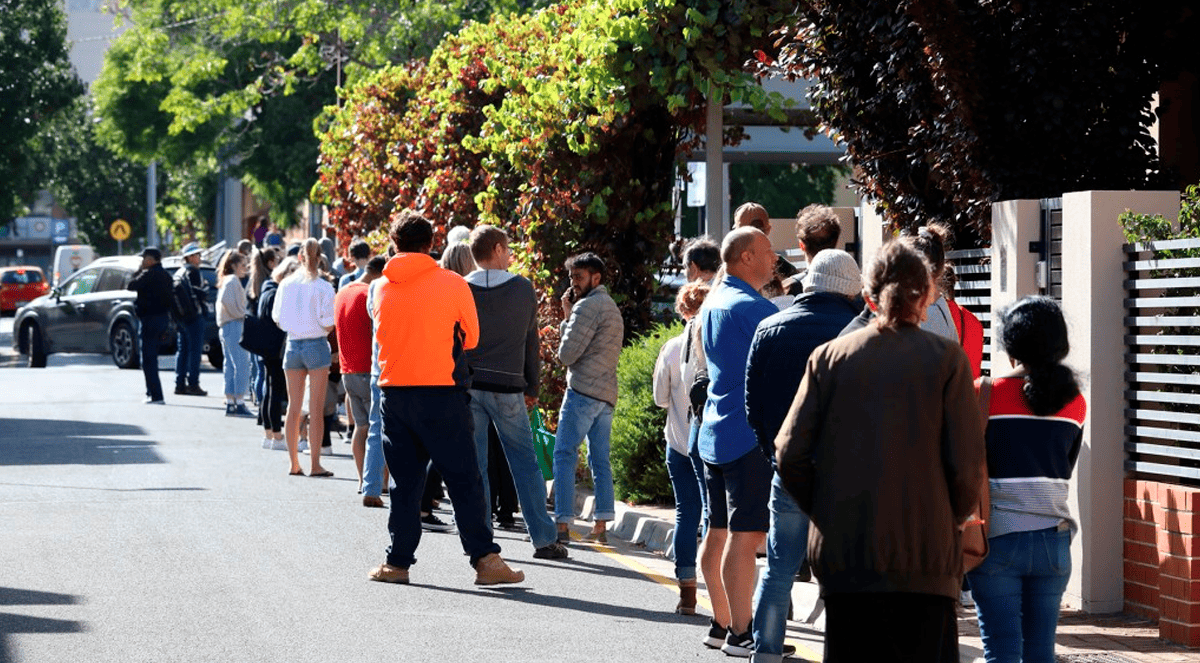
“Recent signs of cooling in the housing market (auction clearance rates and prices) might also help the Board to conclude again that policy is slightly restrictive at 3.60%,” the ANZ economists say.
“We also think inflation pressures will ease as 2026 progresses.
“As a result, we expect the cash rate to remain at 3.60% through our forecast horizon.”
However, National Australia Bank is still sticking to its prediction that the Reserve Bank will raise rates by 0.25% at its February meeting, as a pre-emptive strike against inflation.
“While there was some good news…in the sense that inflation pressures have cooled a little bit from October to November (2025), it doesn't necessarily tell us that we're out of the woods yet,” says NAB Chief Economist Sally Auld.
“I think our view is that if the Reserve Bank acts relatively quickly, it's going to maximize the chance that it doesn't have to do much on rates and that it can really preserve what's been a pretty nice pickup in the economy, preserve a labor market that's at or pretty close to full employment, and do that in a way that's, I guess, the least disruptive for overall economic growth here in Australia,” she says.
While the November inflation data will be a key factor in the RBA’s deliberations at its next monetary policy meeting on the 2nd and 3rd of February, the central bank is also likely to pay a lot of attention to household spending figures out next week and employment numbers and a full December quarter inflation data set, both due later in January.
Nonetheless, pricing for an interest rate hike in February has eased, with financial markets now only expecting about a 35% chance of a rate hike.
The message to home buyers and property investors is clear - interest rates are probably more likely to remain on hold rather than increase in 2026.
With home prices unlikely to experience any significant falls in the foreseeable future and further interest rate cuts not on the horizon, now is probably as good as it gets for property buyers and investors to take out a new mortgage during this current rate cycle.







.jpg?width=1920&height=1080&name=WTF%20Is%20Happening%20To%20The%20Housing%20Market!%20$500%20Billion%20Wiped%20Out%20As%20Prices%20Fall%20Faster%20Every%20Month%20Scott%20Kuru%20YPU%20027%20(1).jpg)
%20Scott%20Kuru%20YPU%20025.jpg?width=1920&height=1080&name=This%20Is%20Worse%20Than%20A%20Recession%20RBA%20Admits%20Australias%20Wage%20Collapse%20Cant%20Be%20Stopped%20(Prepare%20Now)%20Scott%20Kuru%20YPU%20025.jpg)
























.jpg?width=1920&height=1080&name=EXPOSED%20How%20The%20Govt%20Let%20These%20Oil%20Giants%20Get%20Away%20With%20Paying%20Zero%20Tax%20For%20Aussie%20Gas%20Scott%20Kuru%20DPU%20256%20(1).jpg)






%20Scott%20Kuru%20DPU%20248.jpg?width=1920&height=1080&name=Major%20Banks%20CAUGHT%20Preparing%20For%20Australia%E2%80%99s%20Biggest%20Housing%20Crash%20(Defaults%20%26%20Bankruptcies%20Coming)%20Scott%20Kuru%20DPU%20248.jpg)
%20Scott%20Kuru%20DPU%20247.jpg?width=1920&height=1080&name=This%20Is%20How%20Australia%20Gets%20Pushed%20Into%20the%20Next%20Big%20Reset%20(Trust%20Collapse%20Has%20Officially%20Begun)%20Scott%20Kuru%20DPU%20247.jpg)







%20Scott%20Kuru%20DPU%20239.jpg?width=1920&height=1080&name=URGENT%20Life%20In%20Australia%20Has%20Become%20Impossible%20For%20Millions%20Of%20Aussies%20(It%E2%80%99s%20About%20To%20Get%20Worse)%20Scott%20Kuru%20DPU%20239.jpg)









%20Scott%20Kuru%20DPU%20227.jpg?width=1920&height=1080&name=URGENT%20ALERT%20Australia%E2%80%99s%20Property%20Market%20Is%20Sliding%20Into%20Something%20Much%20Bigger%20(Prepare%20Now)%20Scott%20Kuru%20DPU%20227.jpg)