








.png?width=292&height=292&name=Copy%20Link%20(1).png)

 SIGN UP FOR FREE NEWSLETTER
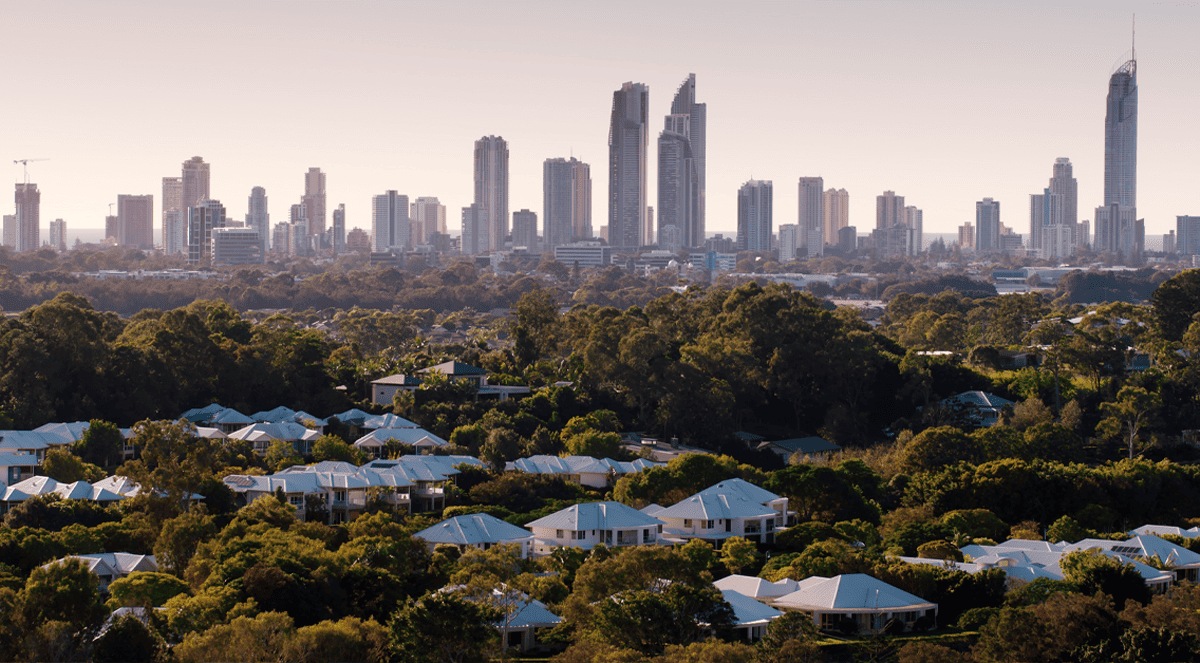
Queensland’s LNP state government has doubled funding for its “Boost to Buy” home ownership program - a shared-equity scheme that assists buyers with small deposits.
Now worth $330 million, the aim of “Boost to Buy” is to help up to 2,000 first-home buyers into the property market over the next three years.
However, the program looks set to further inflate prices in a state that already has some of the most challenging housing affordability in the nation.
The details
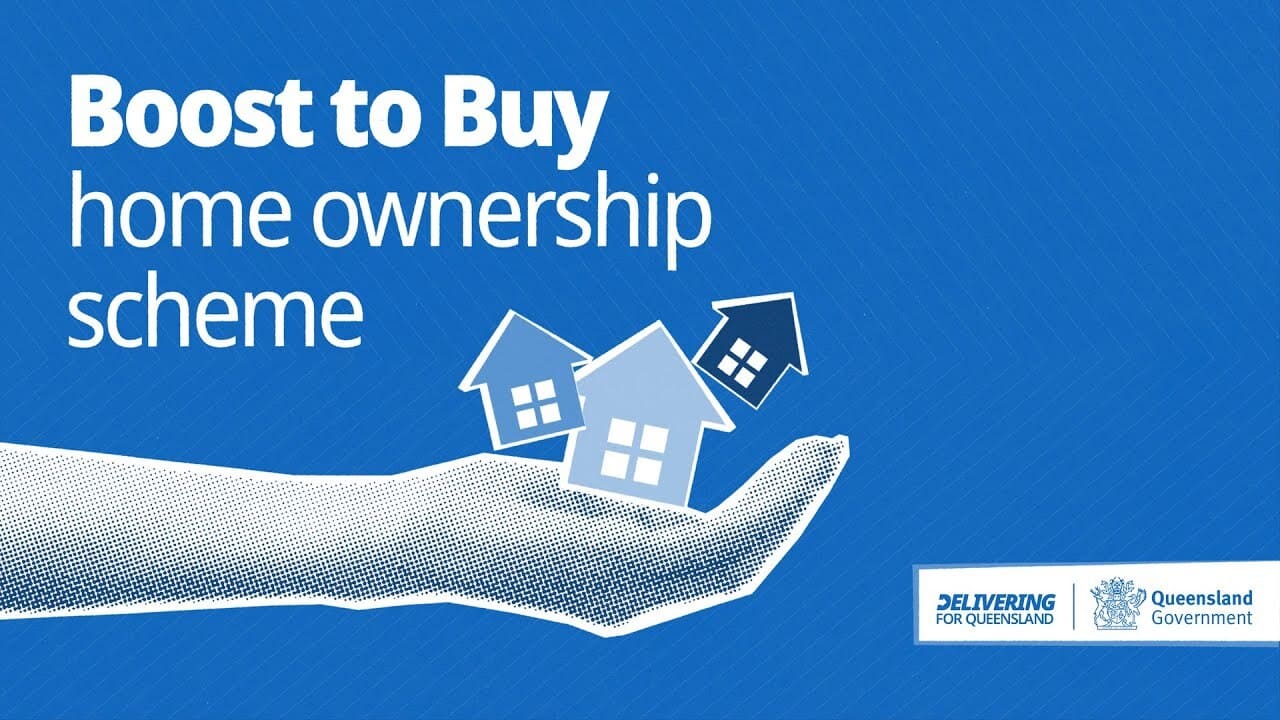
Image from Queensland Treasury
The Queensland state government says the expanded “Boost to Buy” scheme is now taking applications, with 500 places to be released initially.
Half of all places will be reserved for regional Queenslanders, targeting housing demand outside the heavily populated south-east corner of the state, which takes in Brisbane, the Gold Coast, the Sunshine Coast, Ipswich and Toowoomba.
The state’s Treasurer and Minister for Home Ownership, David Janetzki, says the scheme will make home ownership a reality for many who have struggled to save a deposit.
“We are committed to moving Queensland up the home ownership ladder by delivering more Queenslanders a place to call home,” he says.
The Real Estate Institute of Queensland says the Sunshine State has the lowest rate of home ownership in Australia, currently at 63.5% and has welcomed moves which it says will help “more people achieve the Great Australian Dream.”
Under Boost to Buy, the state government will provide a shared-equity contribution of up to 30% for new homes and 25% for existing homes.
The government will maintain that equity stake in the home, either until the home is sold or until its stake is bought out at market value by the occupants.
Eligible buyers need only to have saved a minimum 2% deposit, and properties are capped at $1 million in value.
The theory is that these schemes bring forward by several years the ability of lower-income households to get onto the property ladder, as they remove the need for a traditional 20% deposit and reduce mortgage payments, as the occupants don’t have 100% equity in the home.
However, the income thresholds for Boost to Buy are extremely generous, raising questions about the cohort at which it is targeted.
Singles can earn up to $150,000 and households up to $225,000.
This makes the program broader than many earlier home buyer support initiatives, including the Federal government’s recently launched “Help to Buy” shared equity scheme, which is only open to singles earning less than $100,000 or households with an annual income of $160,000 or less.
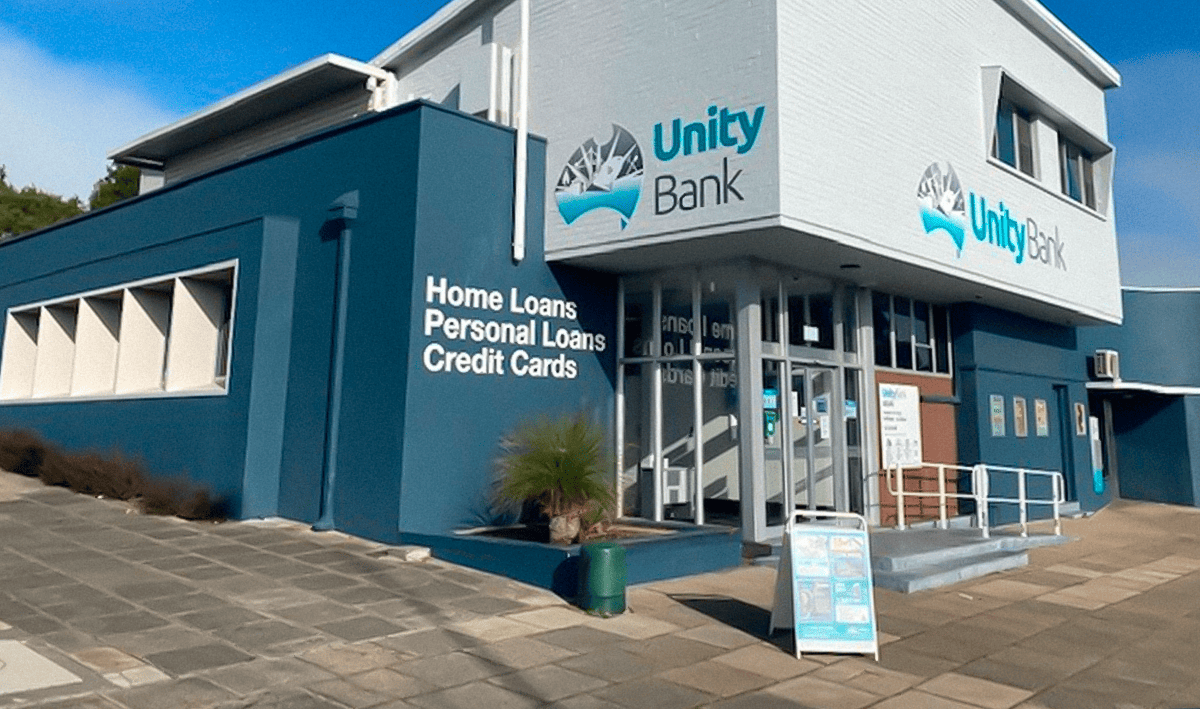
Image from Unity Bank’s Facebook Page
Member-based Unity Bank has been approved to handle the first 500 places.
“Boost to Buy will support working Queenslanders seeking the security of home ownership,” the bank’s CEO, Danny Pavisic, says.
“Providing a pathway for Queenslanders who have been struggling to enter the housing market is perfectly aligned with Unity Bank’s principle of supporting everyday Australians.”
Boost to Buy builds on a suite of housing measures introduced by the Queensland government this year.
Earlier reforms included the extension of the state’s $30,000 First Home Owner Grant and the abolition of stamp duty on new properties for first-home buyers, which the state government says has already delivered savings to around 1,500 buyers.
Other initiatives outlined in the state’s broader housing strategy include a $2 billion Residential Activation Fund to speed up infrastructure to unlock more housing supply, plus a commitment to deliver 53,500 social and community homes by 2044.
The Crisafulli LNP government frames “Boost to Buy” as part of its response to what it calls the “Queensland Housing Crisis”, arguing that a decade of declining approvals and a lack of regional planning under previous state Labor governments left the state lagging behind in the home ownership stakes.
Demand for the scheme has already been strong.
Earlier in 2025, the government reported more than 11,000 registrations of interest in the original Boost to Buy rollout, suggesting significant appetite in Queensland for shared-equity property schemes.
There’s also no doubt Boost to Buy is one of the most generous state-based first-home owner programs in Australia.
Similar shared-equity schemes in New South Wales and Victoria, targeted at single parents, older singles, domestic violence survivors and key workers like police and paramedics, have now closed.
A much smaller West Australian state government scheme only applies to singles earning up to $70,000 per year and households with a combined annual income of up to $90,000.
Drawbacks
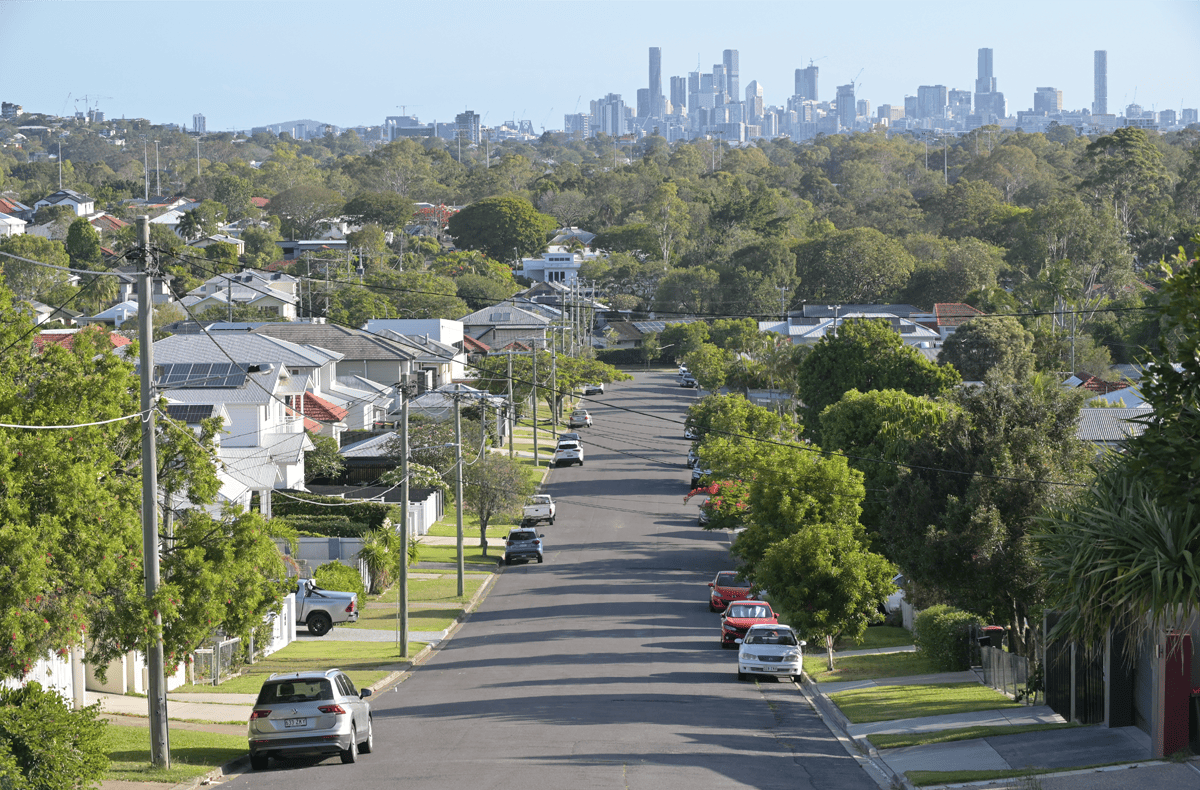
Housing affordability in Queensland is already the second-worst in Australia for potential buyers.
Recent figures from the Real Estate Institute of Australia showed that housing affordability improved in every state and territory except Queensland in the September quarter of 2025, with the share of median pre-tax family income required to meet average home loan repayments rising to 48.3%.
It’s generally accepted that a household is in “mortgage stress” if more than 30% of outgoings are allocated towards housing.
Population pressures and slow housing delivery have also seen home prices soar in the Sunshine State, with Cotality recording 12.8% home price growth in Brisbane over the last 12 months and 11.4% in Regional Queensland.
While Boost to Buy looks set to deliver some affordability relief for those lucky enough to be chosen to participate and raise the state’s poor home ownership rate, another demand-side boost to an already overheated property market looks certain to add more upward price pressure, especially to properties in the sub-$1 million “affordable” range.
Independent economist Saul Eslake is one of their fiercest critics of programs like Boost to Buy.
He cites a string of housing assistance schemes “going back to the mid-1960s, which allow people to spend more on housing than they'd otherwise be able to.”
This actually ends up “resulting in higher housing prices and hence in lower (rather than higher) home ownership rates,” he says.







.jpg?width=1920&height=1080&name=WTF%20Is%20Happening%20To%20The%20Housing%20Market!%20$500%20Billion%20Wiped%20Out%20As%20Prices%20Fall%20Faster%20Every%20Month%20Scott%20Kuru%20YPU%20027%20(1).jpg)
%20Scott%20Kuru%20YPU%20025.jpg?width=1920&height=1080&name=This%20Is%20Worse%20Than%20A%20Recession%20RBA%20Admits%20Australias%20Wage%20Collapse%20Cant%20Be%20Stopped%20(Prepare%20Now)%20Scott%20Kuru%20YPU%20025.jpg)


















.jpg?width=1920&height=1080&name=EXPOSED%20How%20The%20Govt%20Let%20These%20Oil%20Giants%20Get%20Away%20With%20Paying%20Zero%20Tax%20For%20Aussie%20Gas%20Scott%20Kuru%20DPU%20256%20(1).jpg)





%20Scott%20Kuru%20DPU%20248.jpg?width=1920&height=1080&name=Major%20Banks%20CAUGHT%20Preparing%20For%20Australia%E2%80%99s%20Biggest%20Housing%20Crash%20(Defaults%20%26%20Bankruptcies%20Coming)%20Scott%20Kuru%20DPU%20248.jpg)
%20Scott%20Kuru%20DPU%20247.jpg?width=1920&height=1080&name=This%20Is%20How%20Australia%20Gets%20Pushed%20Into%20the%20Next%20Big%20Reset%20(Trust%20Collapse%20Has%20Officially%20Begun)%20Scott%20Kuru%20DPU%20247.jpg)





%20Scott%20Kuru%20DPU%20239.jpg?width=1920&height=1080&name=URGENT%20Life%20In%20Australia%20Has%20Become%20Impossible%20For%20Millions%20Of%20Aussies%20(It%E2%80%99s%20About%20To%20Get%20Worse)%20Scott%20Kuru%20DPU%20239.jpg)





%20Scott%20Kuru%20DPU%20227.jpg?width=1920&height=1080&name=URGENT%20ALERT%20Australia%E2%80%99s%20Property%20Market%20Is%20Sliding%20Into%20Something%20Much%20Bigger%20(Prepare%20Now)%20Scott%20Kuru%20DPU%20227.jpg)