









.png?width=292&height=292&name=Copy%20Link%20(1).png)

 SIGN UP FOR FREE NEWSLETTER
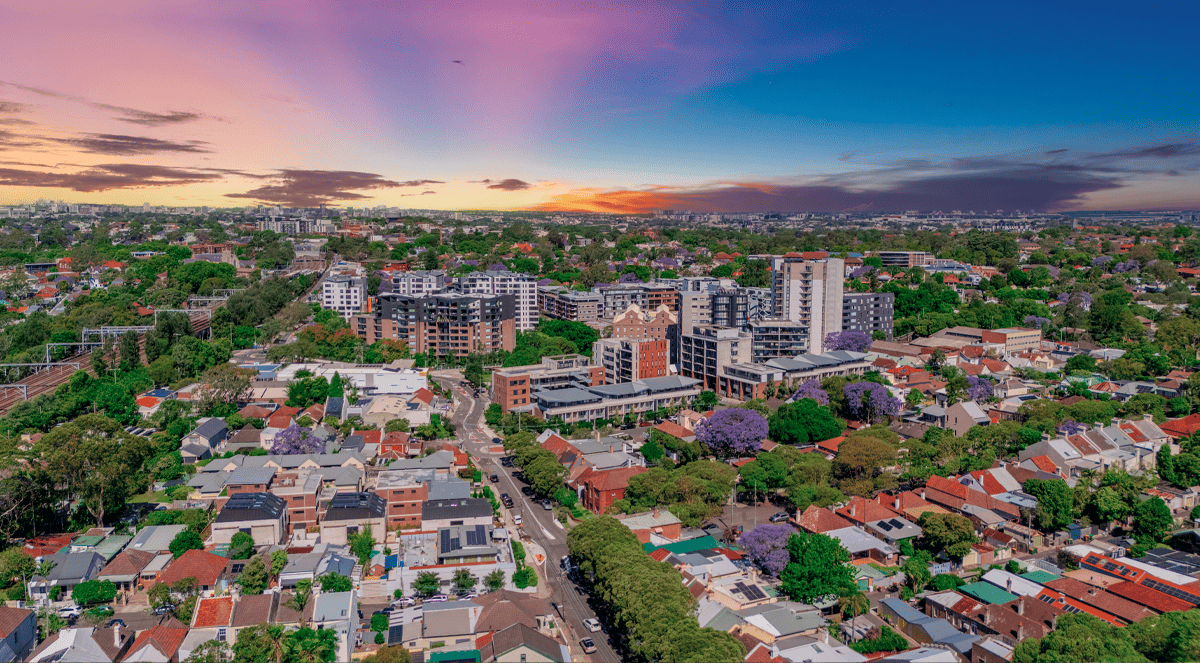
Australia’s housing market delivered a year of sharp contradictions in 2025, as interest rate cuts ignited buyer activity, but did little to relieve the nation’s worsening affordability crunch.
Domain’s End of Year Wrap 2025 report says confidence returned to the property market after the Reserve Bank of Australia handed down its first cuts in four years.
But the data analytics firm says those reductions quickly fed into renewed price growth across capital city housing markets, in most cases, wiping out any affordability gains brought by lower rates.
In fact, the firm has entitled its wrap report, “A turning point for rates - but not for affordability”.
Domain says it expects price growth momentum will carry into early 2026.
The details
Domain’s End of Year Wrap forecasts house prices across Australia’s combined capitals to finish the year up 9%, with every city recording strong gains.
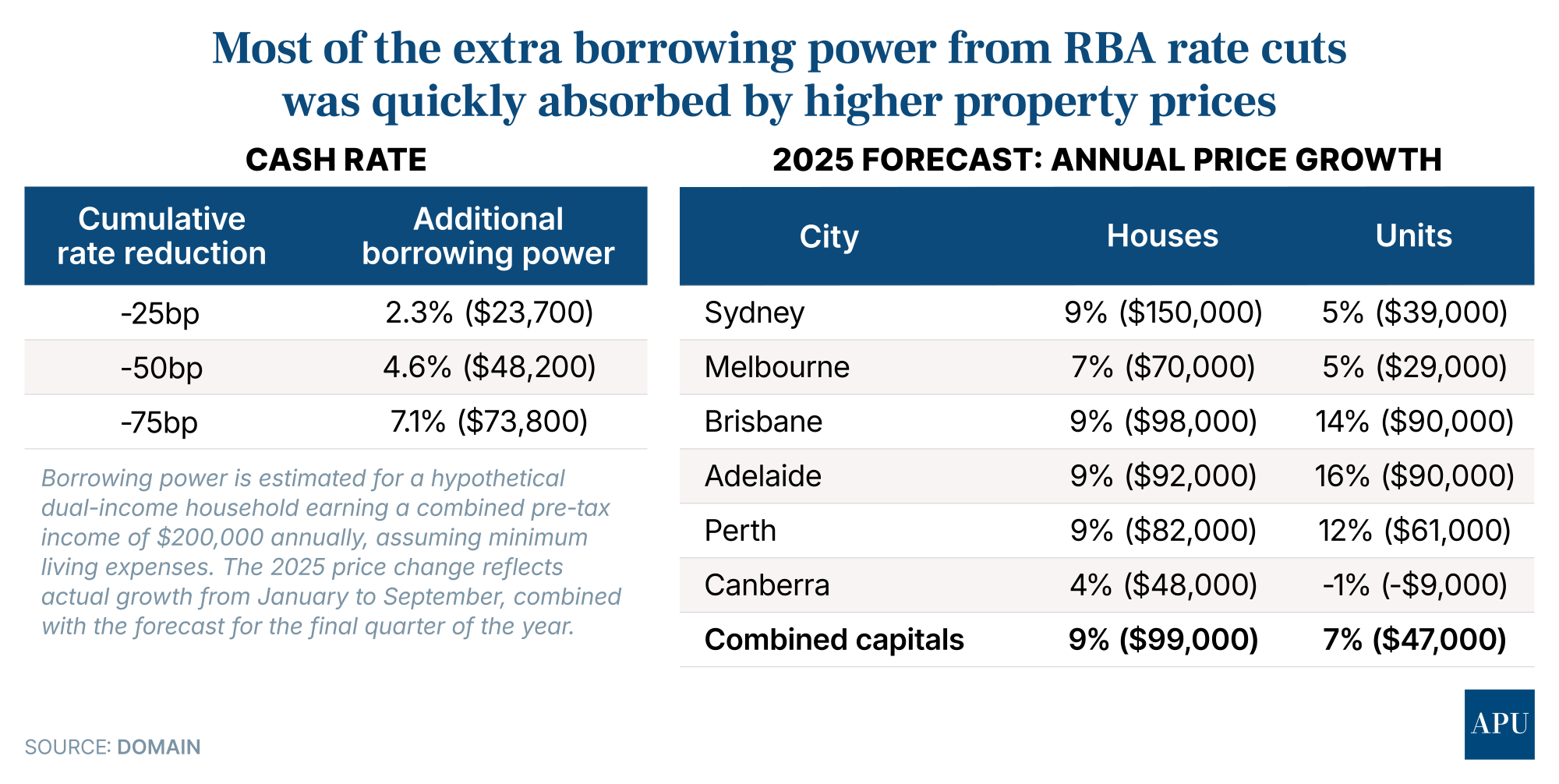
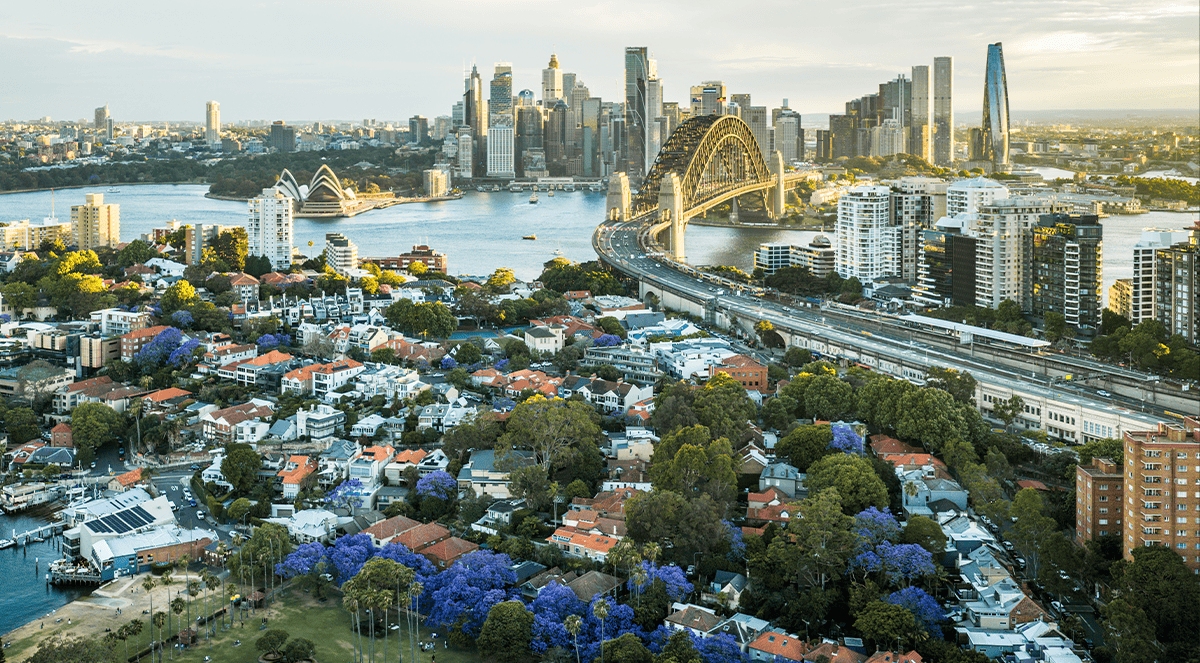
Sydney (up 9%) led in dollar terms, with house prices rising by about $150,000 through 2025, followed by Brisbane (up 9% or $98,000), Adelaide (9% or $92,000), Perth (9% or $82,000) and Melbourne (up $70,000), recording a 7% increase.
Units also recorded a powerful run, particularly in cities where buyers were pushed down the price ladder by affordability constraints.
By year’s end, Domain expects combined capital unit prices to climb 7%, with standout growth in Adelaide (16% or $90,000), Brisbane (14% or $90,000) and Perth (12% or $61,000).
In fact, Domain says that rapid price growth in the mid-sized cities during 2025 saw Brisbane, Adelaide and Perth lose their “affordable capitals” crown.
Median houses in Adelaide have passed the $1 million mark, Brisbane is now the nation’s second-most-expensive capital after Sydney, and Perth houses are on track to hit the million-dollar mark by Christmas.
“Rate cuts finally arrived this year, but they didn’t solve for affordability,” says Domain’s Chief of Research and Economics, Dr Nicola Powell.
“In fact, they actually pushed prices even higher.”
Domain’s end of year wrap points out that this year’s price acceleration - on top of already steady growth - means that by the end of the September quarter of 2025, Australia had entered its 11th consecutive quarter of house price growth – the longest uninterrupted stretch since 2012-15 – and unit prices were rising at more than twice the pace of the previous year.
“Since 2019, combined capital city house prices are now around 50% higher, and the gap between what homes cost and what households earn has rarely been wider,” the report says.
Dr Powell says the RBA’s February, May and August cuts gave stretched households a psychological and financial reprieve, but those benefits were quickly eroded in real terms.
“Yes, the RBA’s rate cuts gave buyers some breathing room and lifted borrowing power by $73,800.
“But in most cities, those gains were quickly overtaken by rapid price growth, driven by a mix of undersupply, strong population growth and fierce competition.”
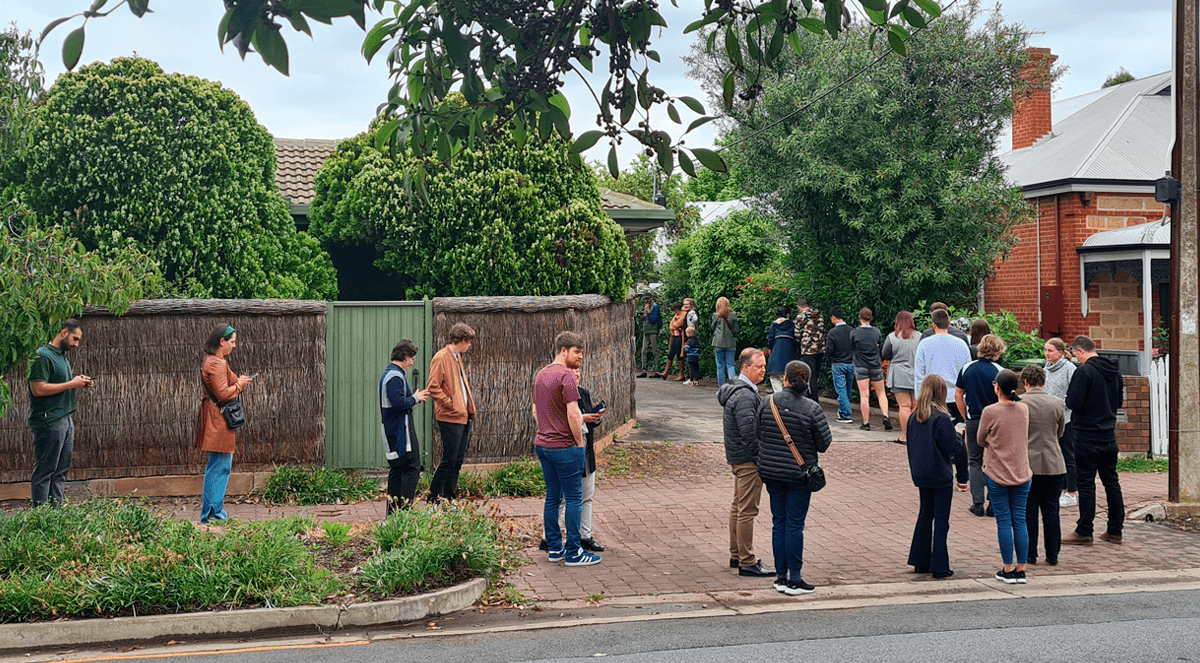
She says increasing buyer demand across the country is visible on Domain’s website - the second largest property portal in Australia.
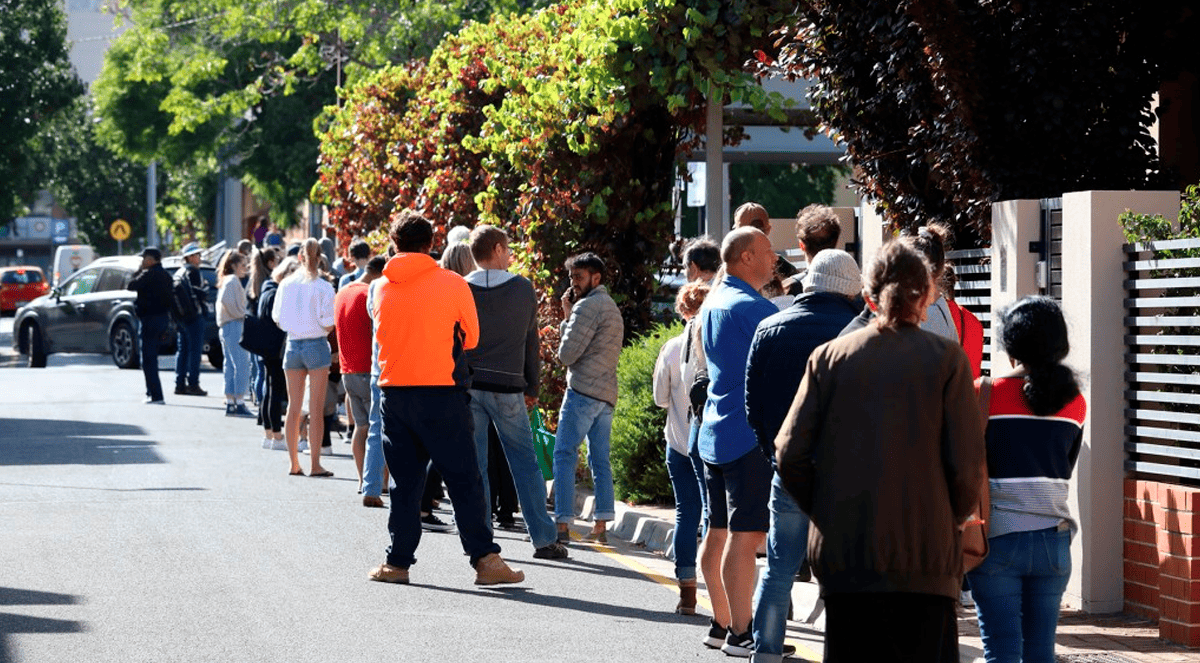
“9 million Australians visited our platforms in October alone, while buyer enquiries are soaring across most capitals annually.
“That level of buyer interest underscores just how intense demand remains.”
Investors return, first-home buyers squeezed
Lending to property investors surged more than 20% across the first half of 2025, pushing their share of new loans to above 40%, the highest in almost a decade.
Domain says that intensified competition for affordable homes, even as the federal government’s Home Deposit Guarantee brought more first-home buyers into the market.
The dynamic of intense pressure for entry-level properties is reshaping affordability nationwide.
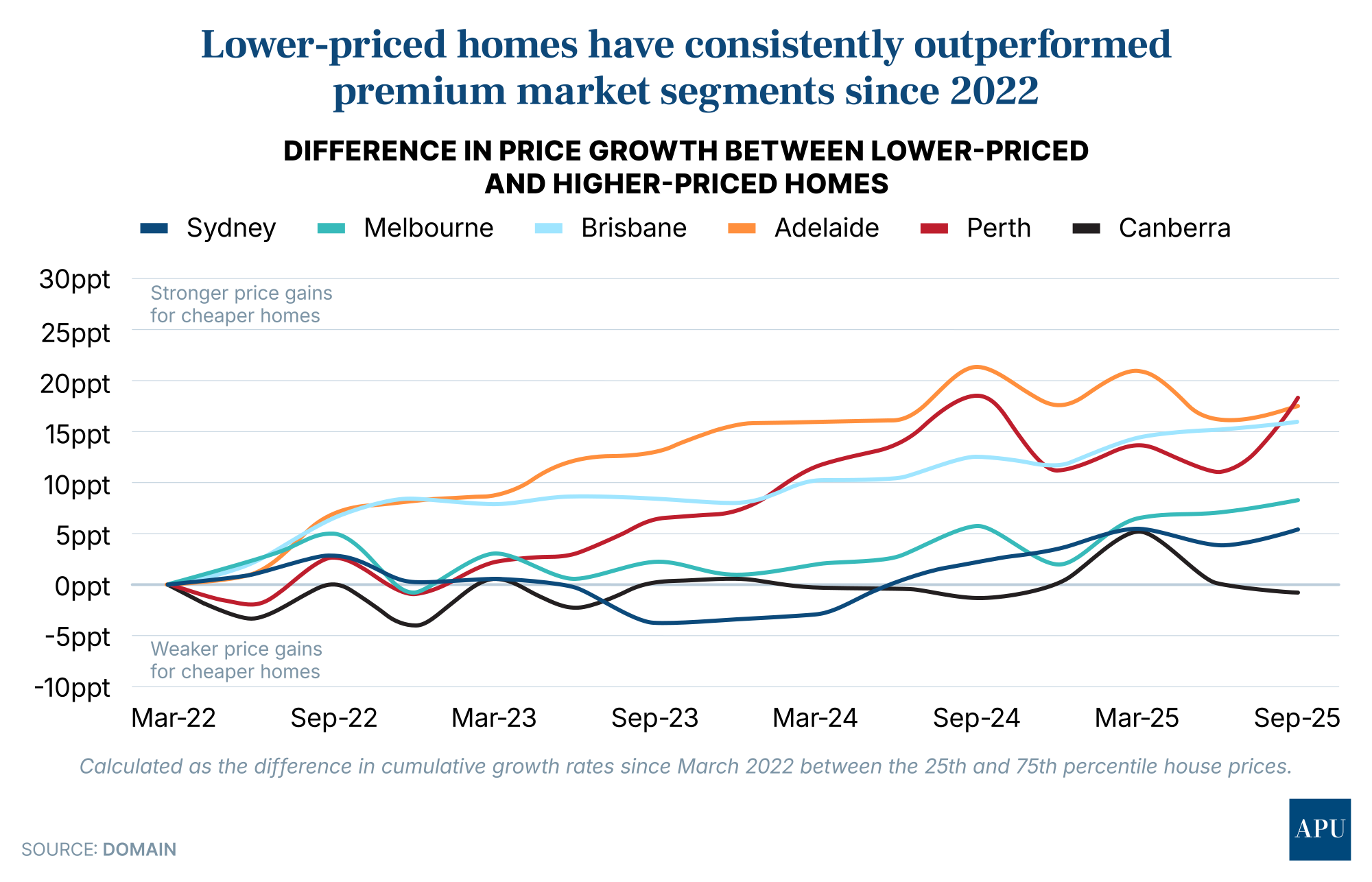
Domain’s report says that since 2022, lower-priced homes have consistently outperformed premium properties across most capitals as buyers gravitated toward more attainable entry points.
“This divergence was most pronounced in Perth, Brisbane and Adelaide, where rapid population growth, tight supply and constrained borrowing power pushed the lower end of the market to become the fastest-moving segment,” it says.
With affordability stretched, Domain says buyers turned to units, multigenerational living and income-boosting arrangements.
Dr Powell says Domain’s website saw sharp increases in search terms such as “dual,” “granny flat,” “duplex” and “dual living”, reflecting demand for more flexible housing.

The outlook
Domain’s Dr Nicola Powell says the late-year inflation outlook has reset rate expectations.
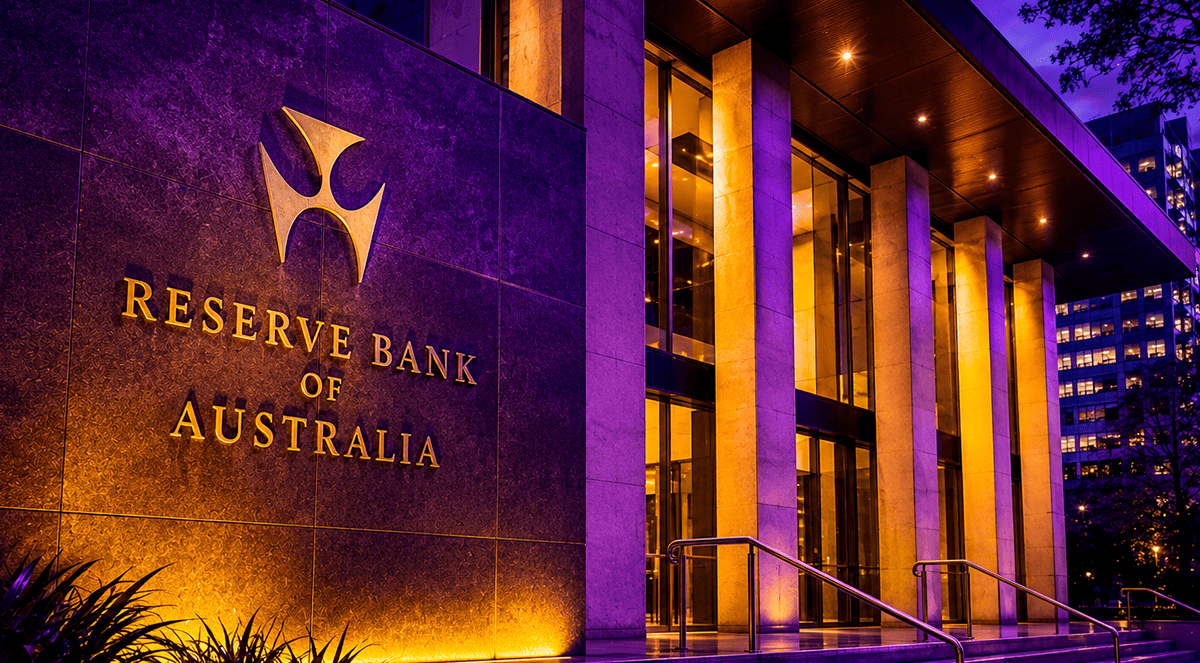
The RBA opted to keep interest rates on hold for the third straight month at its December 2025 meeting, and financial markets are now convinced the next move by the central bank will be to raise, not lower, interest rates.
Dr Powell says this will likely temper some of the heat in the property market.
“We’re now ending the year with a clear shift.
“Steady rates may actually help cool some of the late-year heat in the market, particularly as investors compete with first-home buyers supported by government incentives.”
Nevertheless, she says the fundamentals aren’t changing.
“Strong population growth, low vacancy rates, persistent undersupply, made worse by high construction costs, are likely to keep prices buoyant through the first half of 2026.”







.jpg?width=1920&height=1080&name=WTF%20Is%20Happening%20To%20The%20Housing%20Market!%20$500%20Billion%20Wiped%20Out%20As%20Prices%20Fall%20Faster%20Every%20Month%20Scott%20Kuru%20YPU%20027%20(1).jpg)
%20Scott%20Kuru%20YPU%20025.jpg?width=1920&height=1080&name=This%20Is%20Worse%20Than%20A%20Recession%20RBA%20Admits%20Australias%20Wage%20Collapse%20Cant%20Be%20Stopped%20(Prepare%20Now)%20Scott%20Kuru%20YPU%20025.jpg)


























.jpg?width=1920&height=1080&name=EXPOSED%20How%20The%20Govt%20Let%20These%20Oil%20Giants%20Get%20Away%20With%20Paying%20Zero%20Tax%20For%20Aussie%20Gas%20Scott%20Kuru%20DPU%20256%20(1).jpg)







%20Scott%20Kuru%20DPU%20248.jpg?width=1920&height=1080&name=Major%20Banks%20CAUGHT%20Preparing%20For%20Australia%E2%80%99s%20Biggest%20Housing%20Crash%20(Defaults%20%26%20Bankruptcies%20Coming)%20Scott%20Kuru%20DPU%20248.jpg)
%20Scott%20Kuru%20DPU%20247.jpg?width=1920&height=1080&name=This%20Is%20How%20Australia%20Gets%20Pushed%20Into%20the%20Next%20Big%20Reset%20(Trust%20Collapse%20Has%20Officially%20Begun)%20Scott%20Kuru%20DPU%20247.jpg)







%20Scott%20Kuru%20DPU%20239.jpg?width=1920&height=1080&name=URGENT%20Life%20In%20Australia%20Has%20Become%20Impossible%20For%20Millions%20Of%20Aussies%20(It%E2%80%99s%20About%20To%20Get%20Worse)%20Scott%20Kuru%20DPU%20239.jpg)











%20Scott%20Kuru%20DPU%20227.jpg?width=1920&height=1080&name=URGENT%20ALERT%20Australia%E2%80%99s%20Property%20Market%20Is%20Sliding%20Into%20Something%20Much%20Bigger%20(Prepare%20Now)%20Scott%20Kuru%20DPU%20227.jpg)