









.png?width=292&height=292&name=Copy%20Link%20(1).png)

 SIGN UP FOR FREE NEWSLETTER
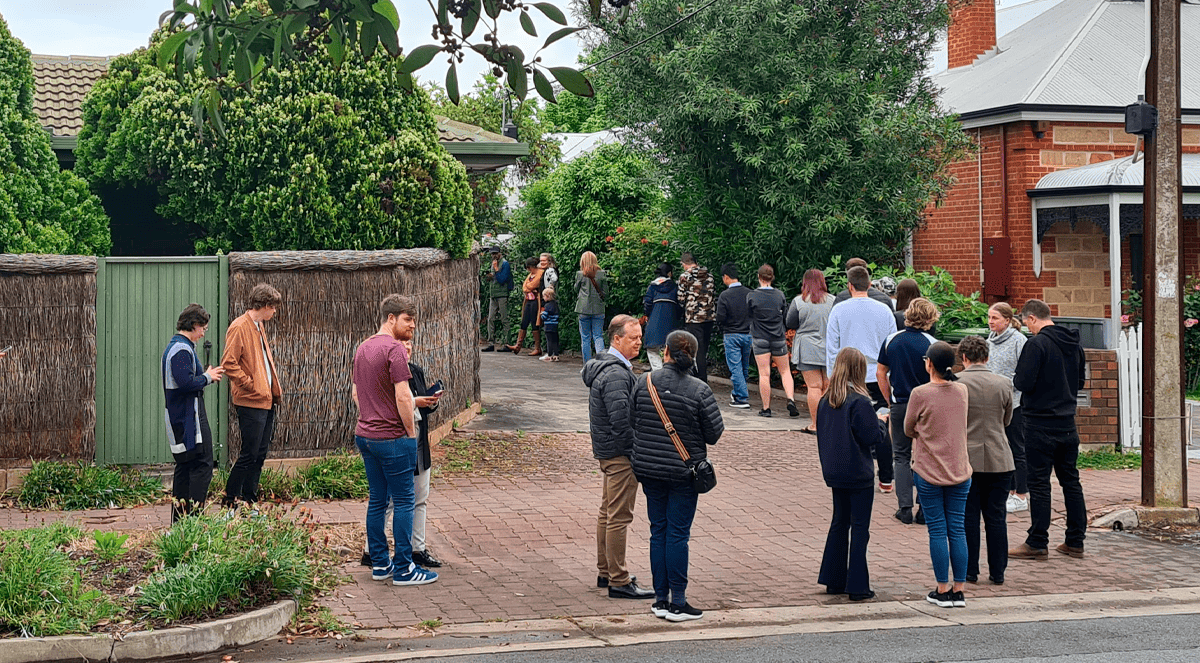
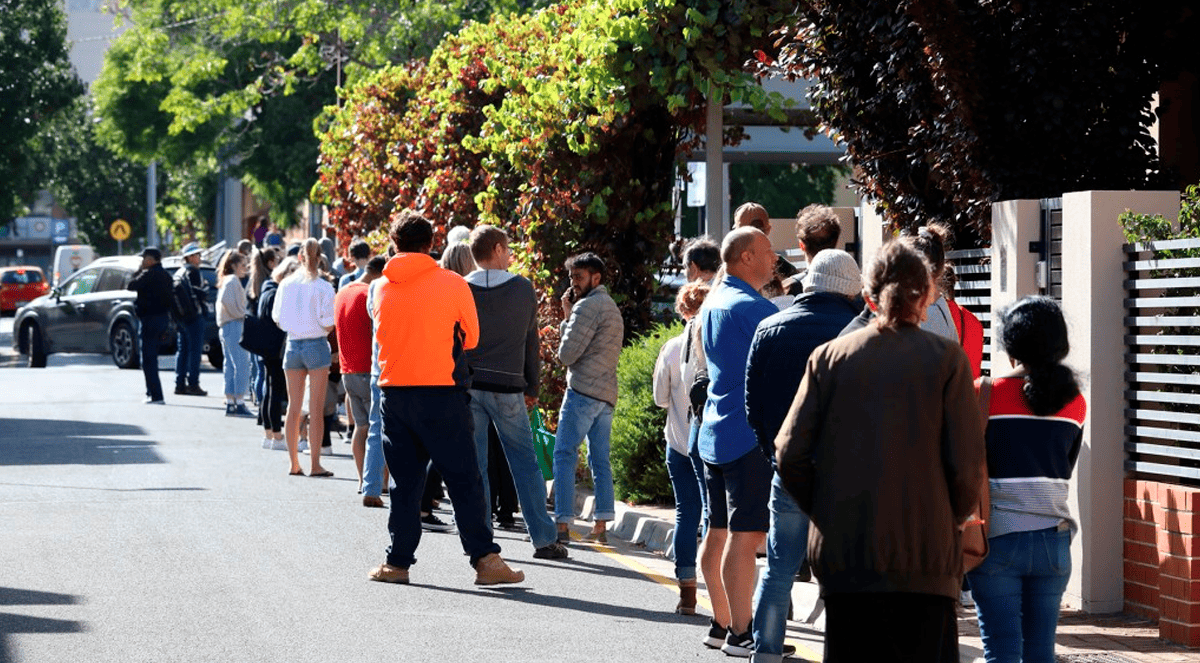
Image from ABC News
New data analysis by Cotality shows that rents in Australia have surged almost three times faster than wages over the past five years.
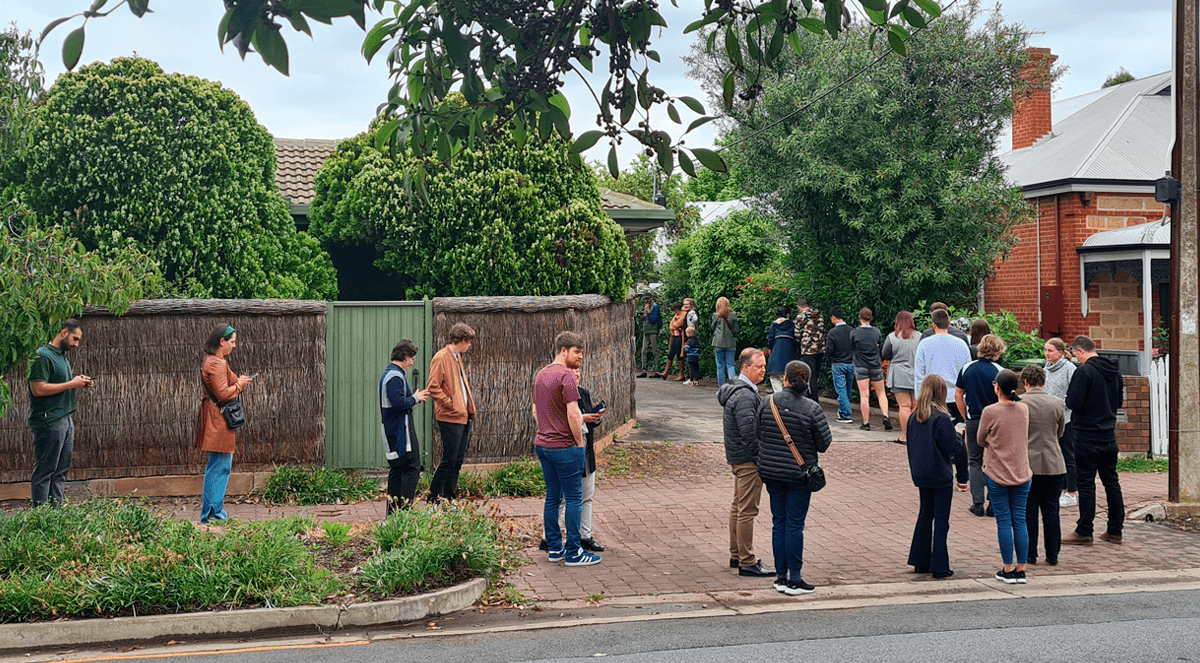
The phenomenon of rents rising much faster than wages has pushed rental affordability to record lows and stretched household budgets.
And in more bad news for tenants, there appears to be little relief on the horizon because of an entrenched shortage of homes available for rent.
The details
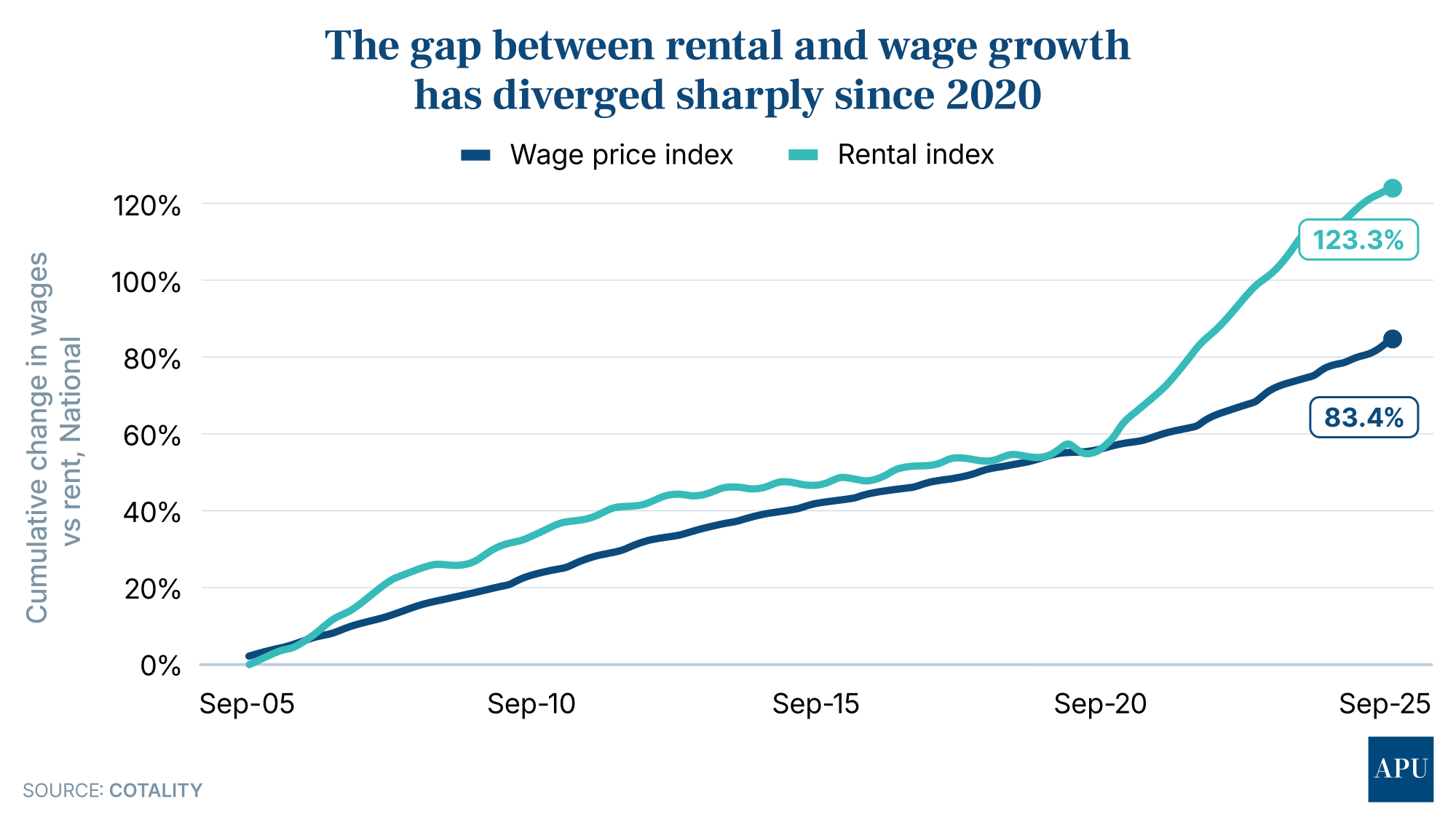
Cotality says national rents jumped 43.9% over the five years to September 2025, compared with a 17.5% rise in wages over the same period.
The company’s Research Director, Tim Lawless, says the widening gap between rents and wages underlines just how challenging conditions have become for tenants.
“For many households, that means a lot less flexibility in the budget, and far fewer options about where and how they live,” he says.
The divergence between rents and wages growth marks a sharp reversal of the previous five‑year period, when wages were generally growing faster than rents across most states and territories.
“Before the pandemic, renters in many parts of Australia were seeing wages grow a little ahead of rents, or at least keep pace,” Mr Lawless says.
“Since 2020, a combination of tight vacancy rates, smaller household sizes and sluggish new housing supply has pushed the market into a very different phase, one where rents are clearly in the driver’s seat.
“Since then, tight rental markets, low vacancy rates and limited new supply have combined to push rents sharply higher while incomes have struggled to keep up.”
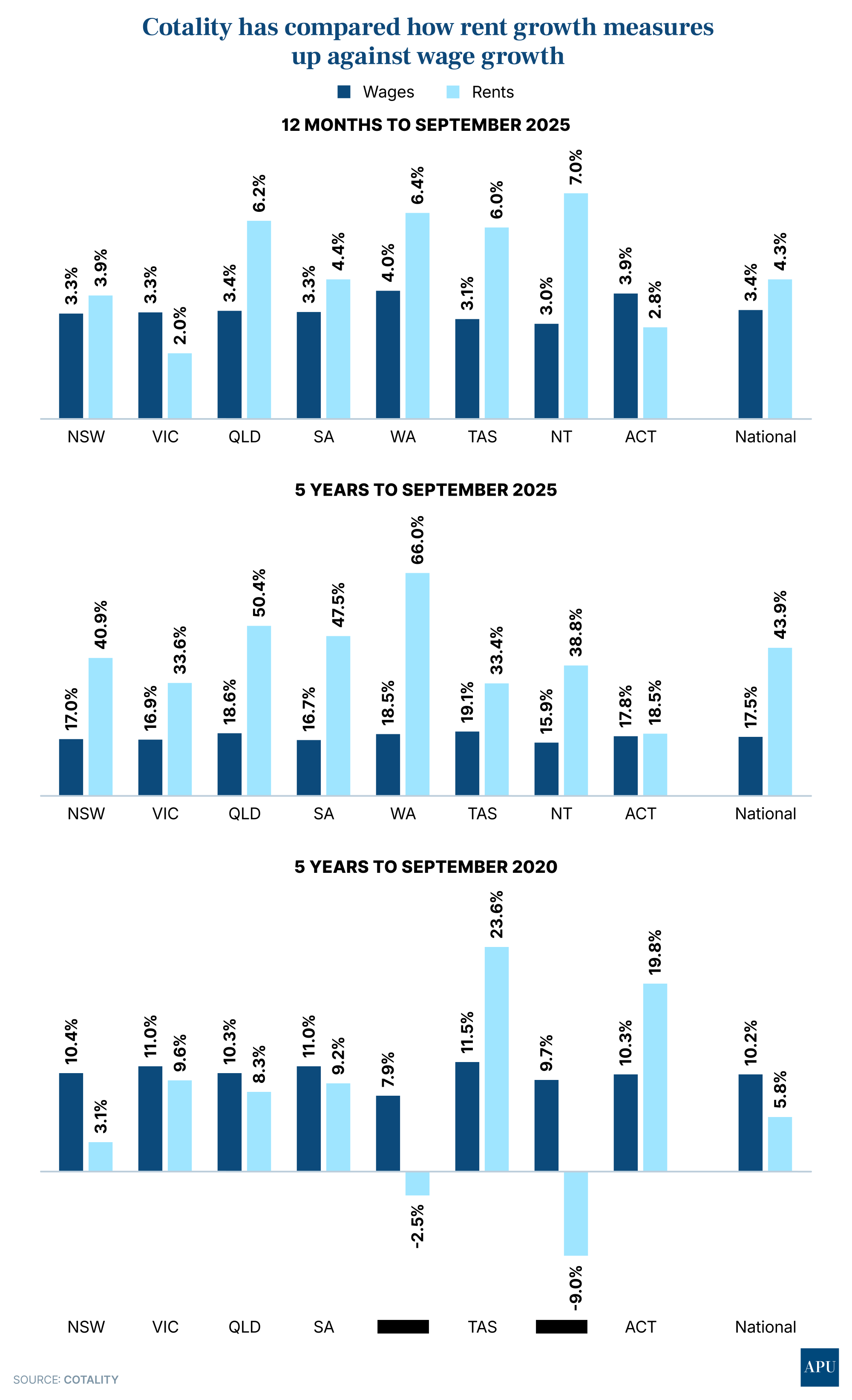
Western Australia has recorded the steepest rental increases of any state or territory, with rents soaring 66% over the past five years compared with just an 18.5% rise in wages.
“Nowhere is the pressure more evident than in Western Australia, where rents have climbed by around two‑thirds in just five years,” Mr Lawless says.
“Even with wages growing a little faster than the national average, they have come nowhere near keeping up with housing costs in that state.”
In fact, Cotality’s data analysis shows a significant gap between rental and wages growth in every state and territory, with the notable exception of the Australian Capital Territory.
“In the ACT, income growth has managed to track rental growth more closely, which has helped contain the deterioration in affordability compared with other parts of the country,” Mr Lawless says.
Cotality’s analysis shows rents have risen 18.5% and wages 17.8% in the ACT over the five years to the end of September 2025.
After a brief period where national rental growth appeared to be easing, momentum in the rental market is picking up again.
Cotality’s data shows that over the 12 months to the end of September 2025, national rents rose 4.3%, outpacing a 3.4% rise in wages.
That’s now accelerated to a 5.4% annual increase in the cost of renting over the 12 months to January 2026.
“The fact that rental growth is reaccelerating, even after such a large cumulative increase since 2020, is a real concern,” Cotality Research Director Tim Lawless says.
“It suggests demand for rental accommodation still far exceeds available supply, and that renters are facing an even larger portion of their income just to keep a roof over their heads.”
In fact, Cotality’s latest housing affordability metrics for the September quarter 2025 show rental households are now dedicating an average of 33.4% of their pre‑tax income to rent - a record high.
That compares with a decade average of 29.2% and a low of 26.2% in the September quarter of 2020.


The outlook
Looking forward, Tim Lawless says rental conditions are unlikely to ease without a sustained lift in housing supply.
“With vacancy rates still around record lows in many markets and new housing completions running below what is needed to meet population growth, it is hard to see rents materially easing in the near term,” he says.
“Unless wage growth accelerates meaningfully, or we see a step‑change in rental supply, the risk is that affordability will deteriorate further for lower‑income households in particular.”
Mr Lawless suggests governments look at policy measures that support additional housing supply, including encouraging more build‑to‑rent projects, providing more incentives for private investment and undertaking planning reforms that enable greater density in well‑located areas.
“Closing the gap between rent and income growth will require a coordinated effort across governments, industry and investors,” he says.
“The sooner we can bring more supply to market, the sooner renters will start to see some relief.”







.jpg?width=1920&height=1080&name=WTF%20Is%20Happening%20To%20The%20Housing%20Market!%20$500%20Billion%20Wiped%20Out%20As%20Prices%20Fall%20Faster%20Every%20Month%20Scott%20Kuru%20YPU%20027%20(1).jpg)

%20Scott%20Kuru%20YPU%20025.jpg?width=1920&height=1080&name=This%20Is%20Worse%20Than%20A%20Recession%20RBA%20Admits%20Australias%20Wage%20Collapse%20Cant%20Be%20Stopped%20(Prepare%20Now)%20Scott%20Kuru%20YPU%20025.jpg)





























.jpg?width=1920&height=1080&name=EXPOSED%20How%20The%20Govt%20Let%20These%20Oil%20Giants%20Get%20Away%20With%20Paying%20Zero%20Tax%20For%20Aussie%20Gas%20Scott%20Kuru%20DPU%20256%20(1).jpg)







%20Scott%20Kuru%20DPU%20248.jpg?width=1920&height=1080&name=Major%20Banks%20CAUGHT%20Preparing%20For%20Australia%E2%80%99s%20Biggest%20Housing%20Crash%20(Defaults%20%26%20Bankruptcies%20Coming)%20Scott%20Kuru%20DPU%20248.jpg)
%20Scott%20Kuru%20DPU%20247.jpg?width=1920&height=1080&name=This%20Is%20How%20Australia%20Gets%20Pushed%20Into%20the%20Next%20Big%20Reset%20(Trust%20Collapse%20Has%20Officially%20Begun)%20Scott%20Kuru%20DPU%20247.jpg)







%20Scott%20Kuru%20DPU%20239.jpg?width=1920&height=1080&name=URGENT%20Life%20In%20Australia%20Has%20Become%20Impossible%20For%20Millions%20Of%20Aussies%20(It%E2%80%99s%20About%20To%20Get%20Worse)%20Scott%20Kuru%20DPU%20239.jpg)











%20Scott%20Kuru%20DPU%20227.jpg?width=1920&height=1080&name=URGENT%20ALERT%20Australia%E2%80%99s%20Property%20Market%20Is%20Sliding%20Into%20Something%20Much%20Bigger%20(Prepare%20Now)%20Scott%20Kuru%20DPU%20227.jpg)