









.png?width=292&height=292&name=Copy%20Link%20(1).png)

 SIGN UP FOR FREE NEWSLETTER
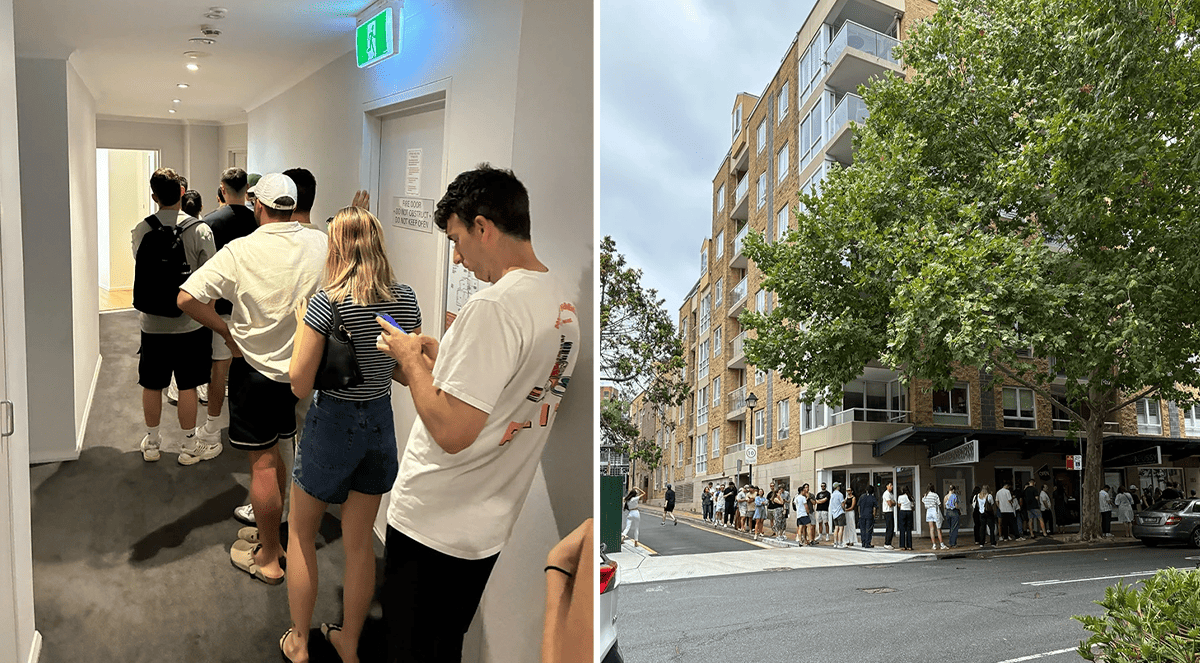
Image from Yahoo News
Australian rents rose 5.2% during 2025 - nearly one and a half times the rate of inflation - pushing the national median rent to $681 a week.
Cotality’s latest Quarterly Rental Review also shows that rent growth accelerated towards the end of last year, driven by a persistently low national vacancy rate.
While higher rents will be welcomed by many property investors, the strong growth also has implications for interest rates, with housing costs - which includes rents - making up a significant portion of the basket of goods and services that go into official inflation calculations.
The details
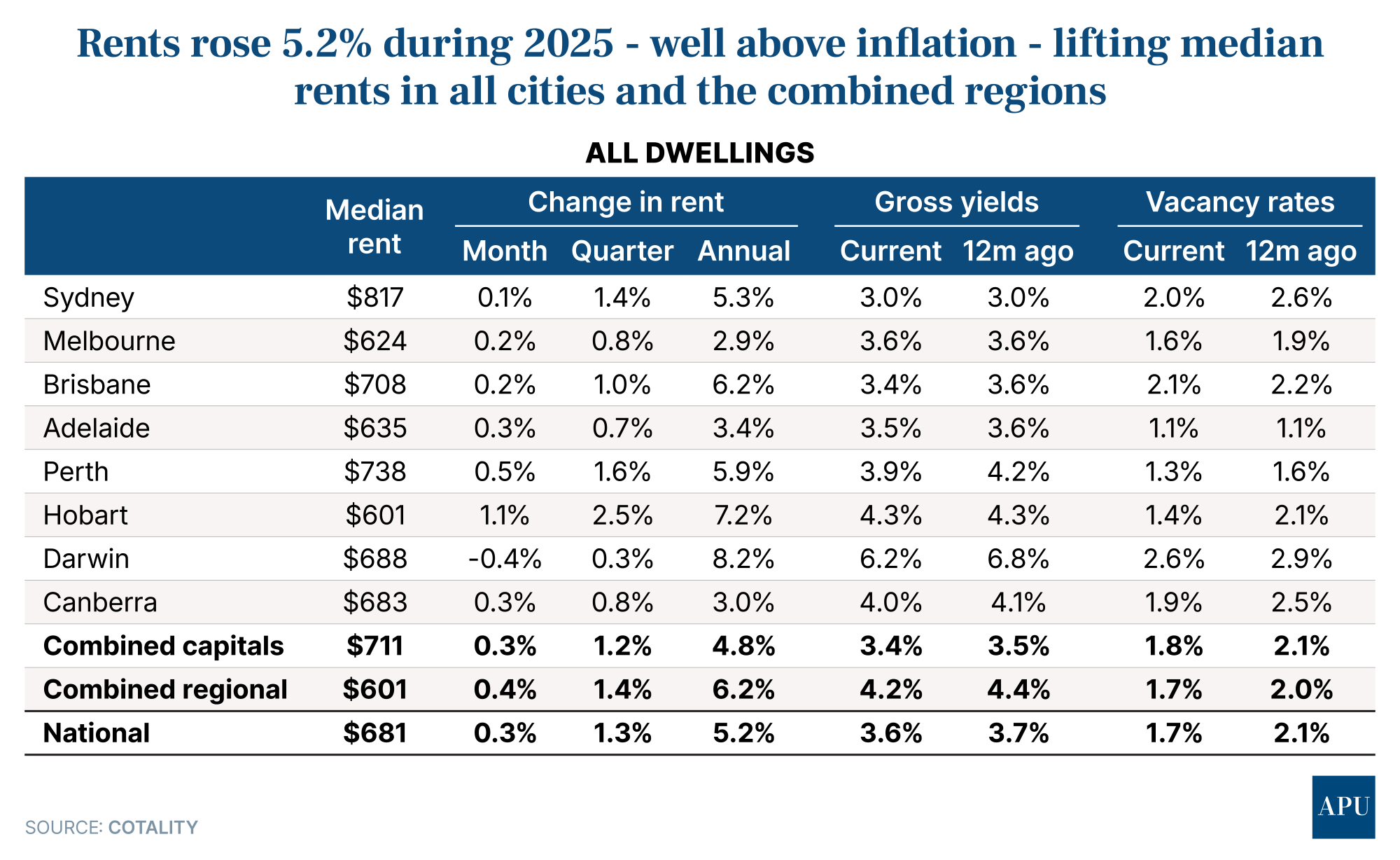
New data from Cotality shows Australia saw a 1.3% rise in national rents in the three months to the end of December 2025.
The December quarter also marked an acceleration in the pace of growth, up from 0.9% in the previous three months.
The end-of-year lift helped push annual rental growth to 5.2%, a step up from 4.8% in 2024, though still well below the big surge seen between 2021 and 2023, when rents were consistently rising at an annual rate above 8%.
Cotality says a low supply of homes for rent continues to drive rental value growth, with national rental listings dropping 11% year-on-year and holding at 17% below five-year averages.
The national vacancy rate also fell to 1.7%, well below the pre-COVID decade average of 3.3%.
Tim Lawless, Cotality’s Research Director, says the findings are “bad news” for both renters and inflation.
“The ongoing growth in rental costs is bad news for renters,” he says, “with Cotality’s national rental index surging 42.9% over the past five years, adding approximately $204/week to the median rental value.”
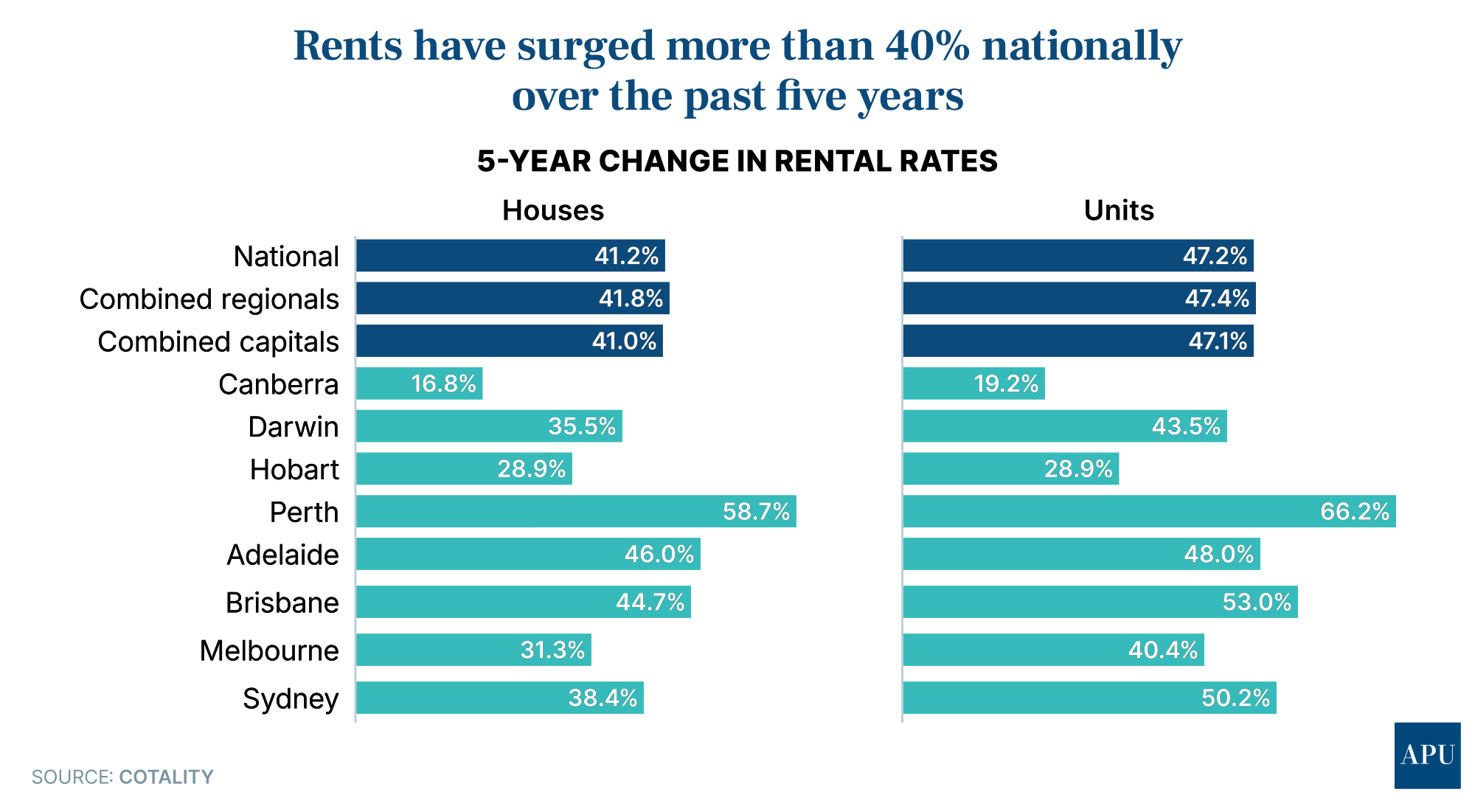
In contrast, Mr Lawless says the five years prior saw rents rise by just 7.5% or $33 a week.
Based on affordability calculations, tenant households are now dedicating a record high 33.4% of their pre-tax income to pay rent.
“The reacceleration in rental values is also bad news for inflation and the cash rate outlook as rental costs hold a significant weight in the CPI (inflation) calculation,” Tim Lawless says.
In capital cities, rents grew most strongly in Darwin, which recorded an 8.2% rise in the median rent, followed by Hobart at 7.2%.
Melbourne recorded the smallest increase at 2.9%, well below the annual rate of inflation, which was 3.4% in the 12 months to the end of November 2025, according to the Australian Bureau of Statistics.
Melbourne was also among a handful of cities where rent growth actually slowed, easing from 4.2% in 2024.
Adelaide saw the pace of rental growth almost halve, from 6.5% to 3.4%, while booming Perth eased from 8.1% to 5.9%.
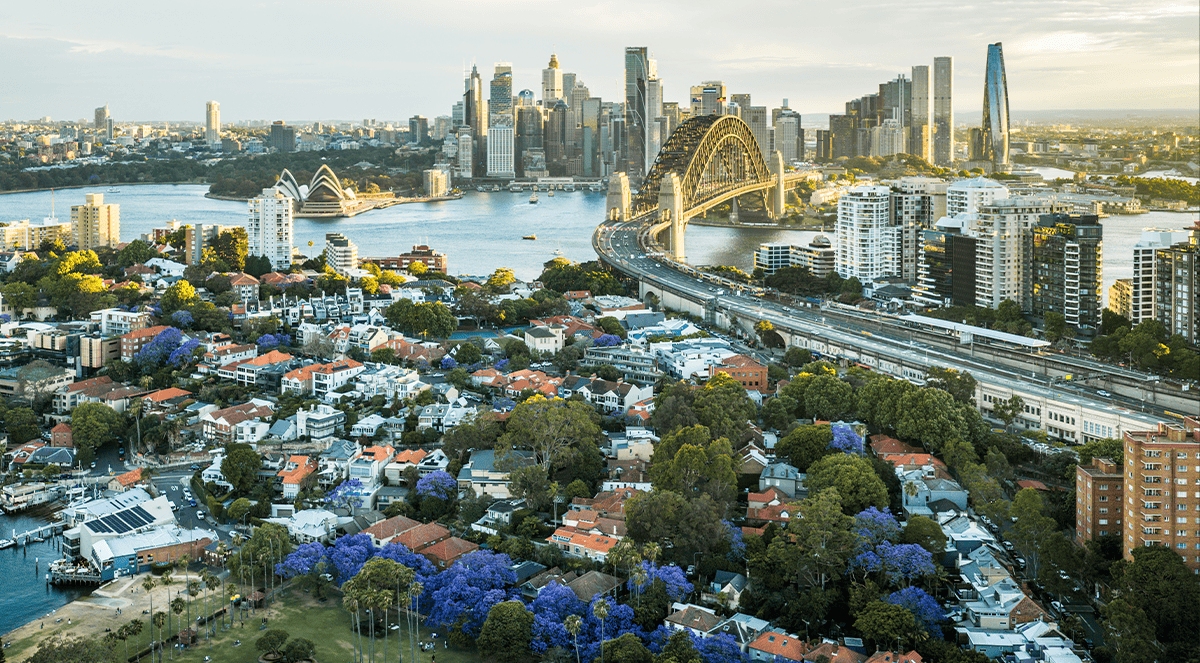
Unsurprisingly, Sydney remains the most expensive capital for tenants, recording median dwelling rents of $817 per week.
A typical house in the Harbour City rents for $855 a week, while a typical unit fetches $758.
Sydney also sees the largest gap in the capital cities between the most expensive and cheapest suburbs in which to rent.
A median house will set you back $2,310 a week to rent in Vaucluse in Sydney’s exclusive Eastern suburbs, while a house in Shalvey - 50 km from the CBD in Sydney’s west - costs around $559 a week.
A median unit at Barangaroo in the heart of the CBD rents for $1,369 a week, while tenants can expect to pay around $460 for a unit at Carramar in the city’s south-west.
Hobart is the most affordable capital city with a median dwelling rent of $601 a week.
Cotality’s data also shows that rents for apartments have also been rising faster than houses, with unit rents up 5.5% in 2025, compared with a 5.1% increase in house rents.
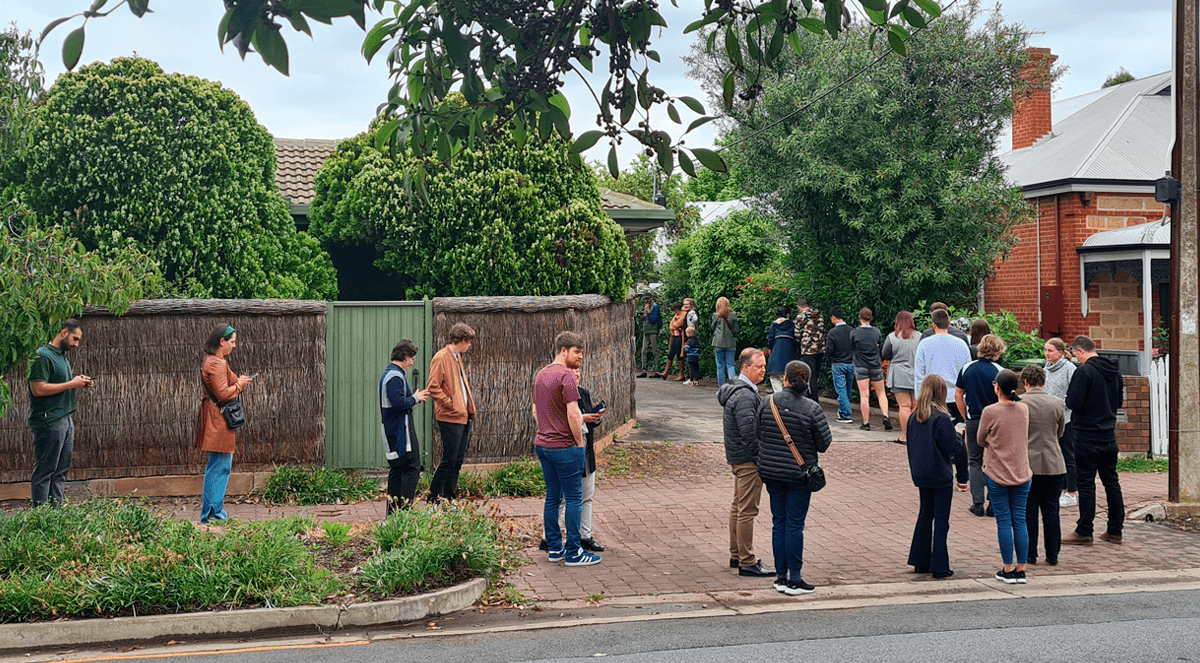
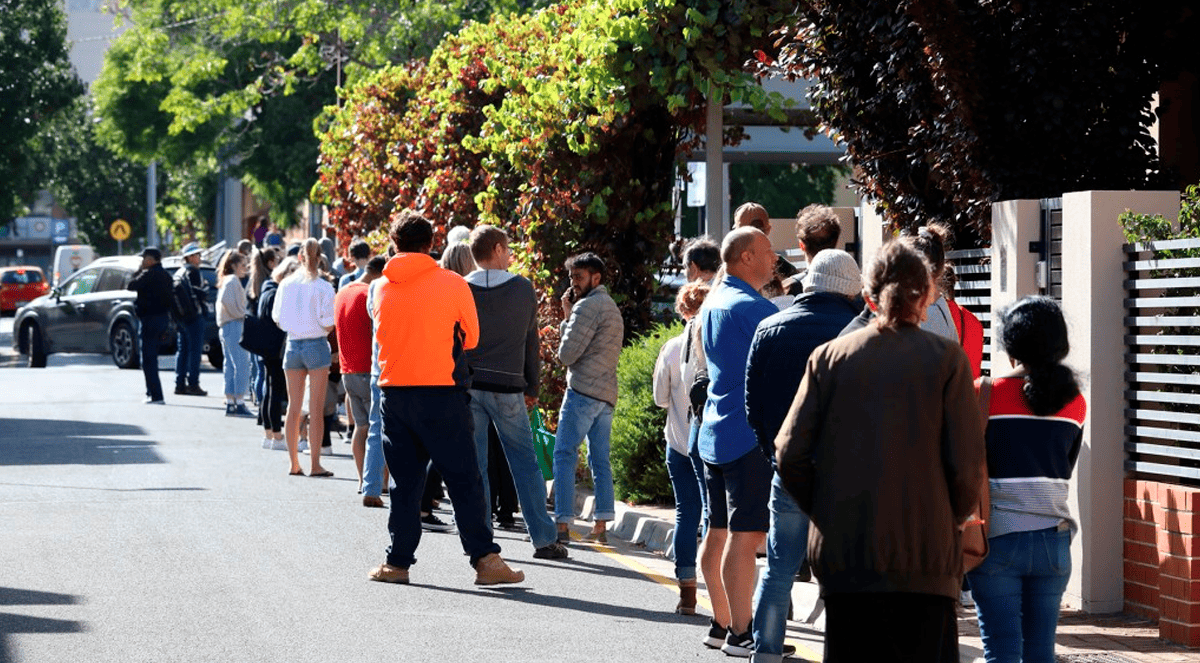
A dire shortage of housing in some non-metro areas has also seen rental growth in regional Australia outpace the capital cities.
Regional rents were up 6.2% in 2025 compared with a 4.8% increase in Cotality’s combined capitals measure.
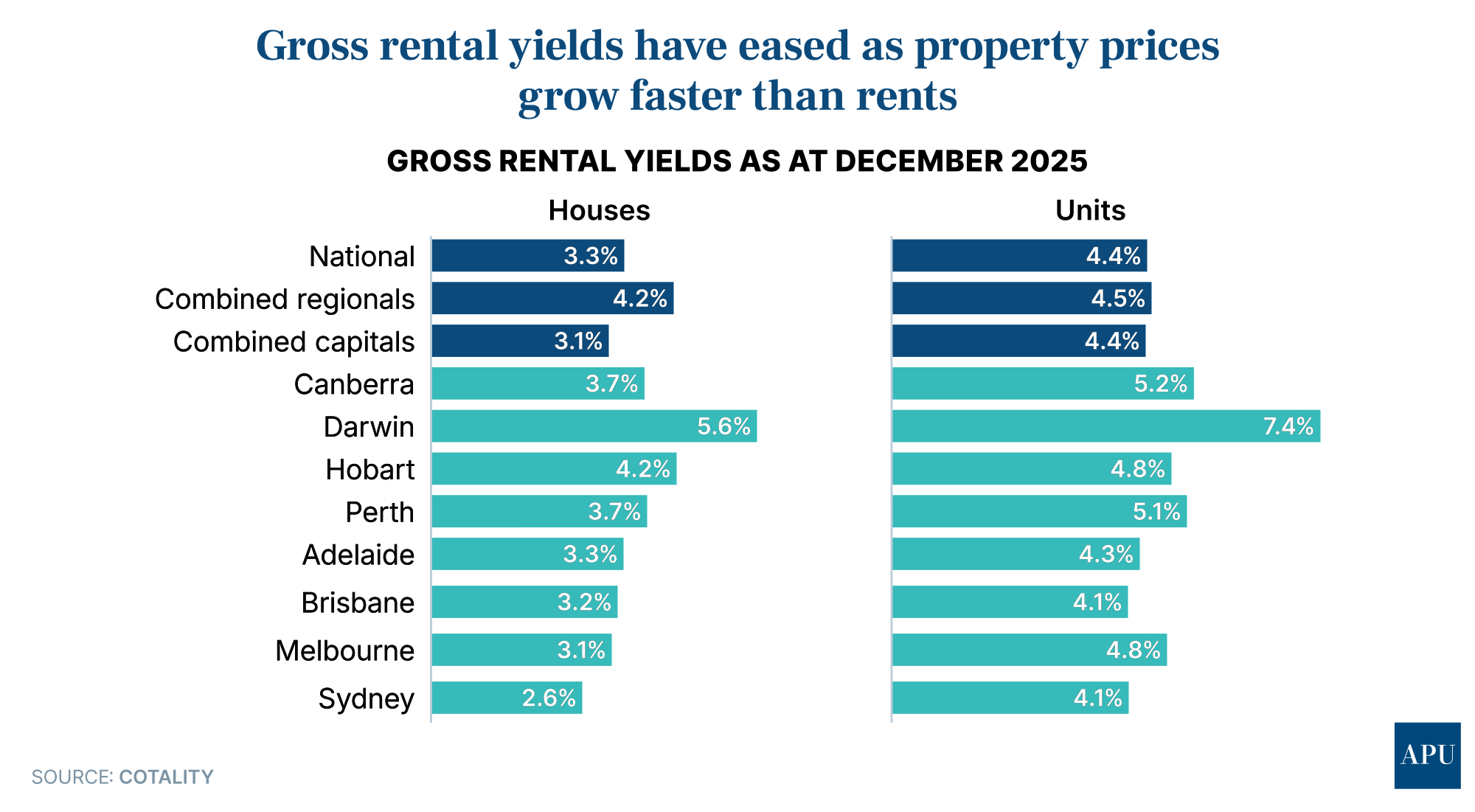
Despite the strong national rise in rents, Cotality says gross rental yields trended lower through 2025, as home values rose at a faster pace than rents.
At the end of 2025, the national gross yield across all dwellings was 3.56%, which Cotality says is the lowest reading since September 2022.
Nevertheless, rental yields remain well above pandemic lows, where they reached a record low of 3.16% in late 2021.
The gross yield for capital city units was 4.4% in December 2025, a 1.34% premium over capital city house yields.
Gross yields are the highest in Darwin, tracking at 5.6% for houses and 7.4% for units.
Sydney yields have historically been the lowest of any capital city because of high property prices, a trend which Cotality says remained in place in 2025.






.jpg?width=1920&height=1080&name=WTF%20Is%20Happening%20To%20The%20Housing%20Market!%20$500%20Billion%20Wiped%20Out%20As%20Prices%20Fall%20Faster%20Every%20Month%20Scott%20Kuru%20YPU%20027%20(1).jpg)
%20Scott%20Kuru%20YPU%20025.jpg?width=1920&height=1080&name=This%20Is%20Worse%20Than%20A%20Recession%20RBA%20Admits%20Australias%20Wage%20Collapse%20Cant%20Be%20Stopped%20(Prepare%20Now)%20Scott%20Kuru%20YPU%20025.jpg)






















.jpg?width=1920&height=1080&name=EXPOSED%20How%20The%20Govt%20Let%20These%20Oil%20Giants%20Get%20Away%20With%20Paying%20Zero%20Tax%20For%20Aussie%20Gas%20Scott%20Kuru%20DPU%20256%20(1).jpg)





%20Scott%20Kuru%20DPU%20248.jpg?width=1920&height=1080&name=Major%20Banks%20CAUGHT%20Preparing%20For%20Australia%E2%80%99s%20Biggest%20Housing%20Crash%20(Defaults%20%26%20Bankruptcies%20Coming)%20Scott%20Kuru%20DPU%20248.jpg)
%20Scott%20Kuru%20DPU%20247.jpg?width=1920&height=1080&name=This%20Is%20How%20Australia%20Gets%20Pushed%20Into%20the%20Next%20Big%20Reset%20(Trust%20Collapse%20Has%20Officially%20Begun)%20Scott%20Kuru%20DPU%20247.jpg)







%20Scott%20Kuru%20DPU%20239.jpg?width=1920&height=1080&name=URGENT%20Life%20In%20Australia%20Has%20Become%20Impossible%20For%20Millions%20Of%20Aussies%20(It%E2%80%99s%20About%20To%20Get%20Worse)%20Scott%20Kuru%20DPU%20239.jpg)









%20Scott%20Kuru%20DPU%20227.jpg?width=1920&height=1080&name=URGENT%20ALERT%20Australia%E2%80%99s%20Property%20Market%20Is%20Sliding%20Into%20Something%20Much%20Bigger%20(Prepare%20Now)%20Scott%20Kuru%20DPU%20227.jpg)