









.png?width=292&height=292&name=Copy%20Link%20(1).png)

 SIGN UP FOR FREE NEWSLETTER
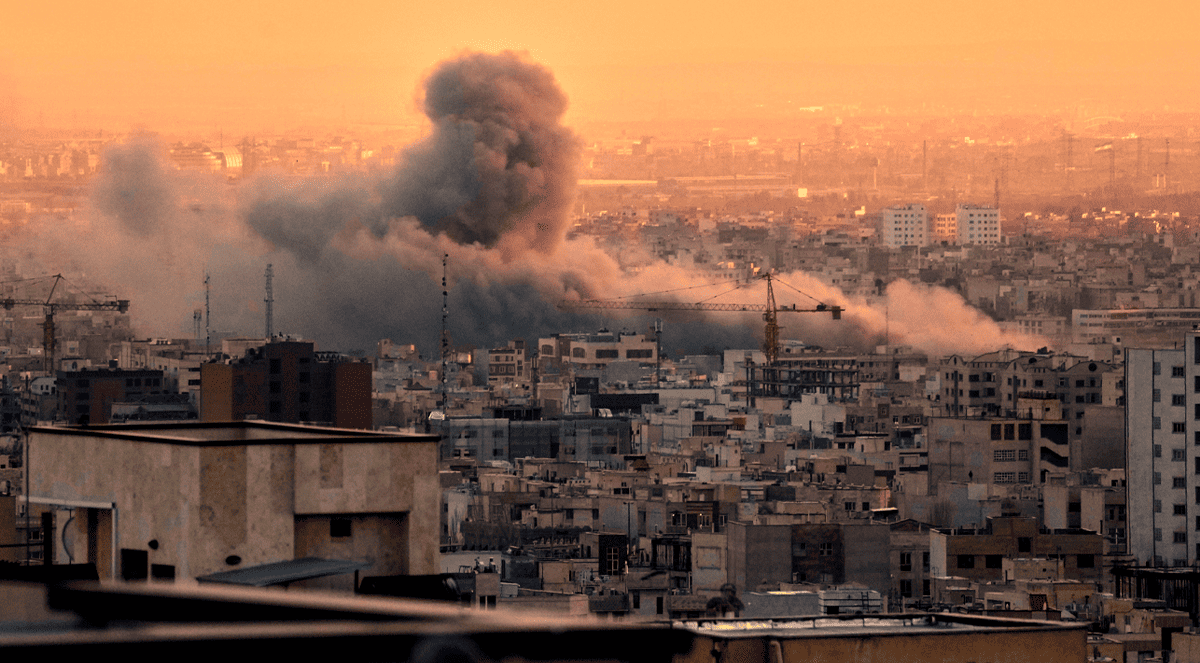
Image from AP
The price of oil has plunged below $US100 a barrel for the first time in three weeks and stock markets around the world have rallied, following the apparent two-week ceasefire deal agreed between US President Donald Trump and Iran’s leadership.
The cessation of hostilities will see the Strait of Hormuz, through which 20% of the world’s crude oil shipments usually pass, opened to sea traffic again.
But even if peace holds in the Middle East, the economic ramifications of America and Israel’s decision to attack Iran could be felt for months, if not years.
Not time to celebrate yet
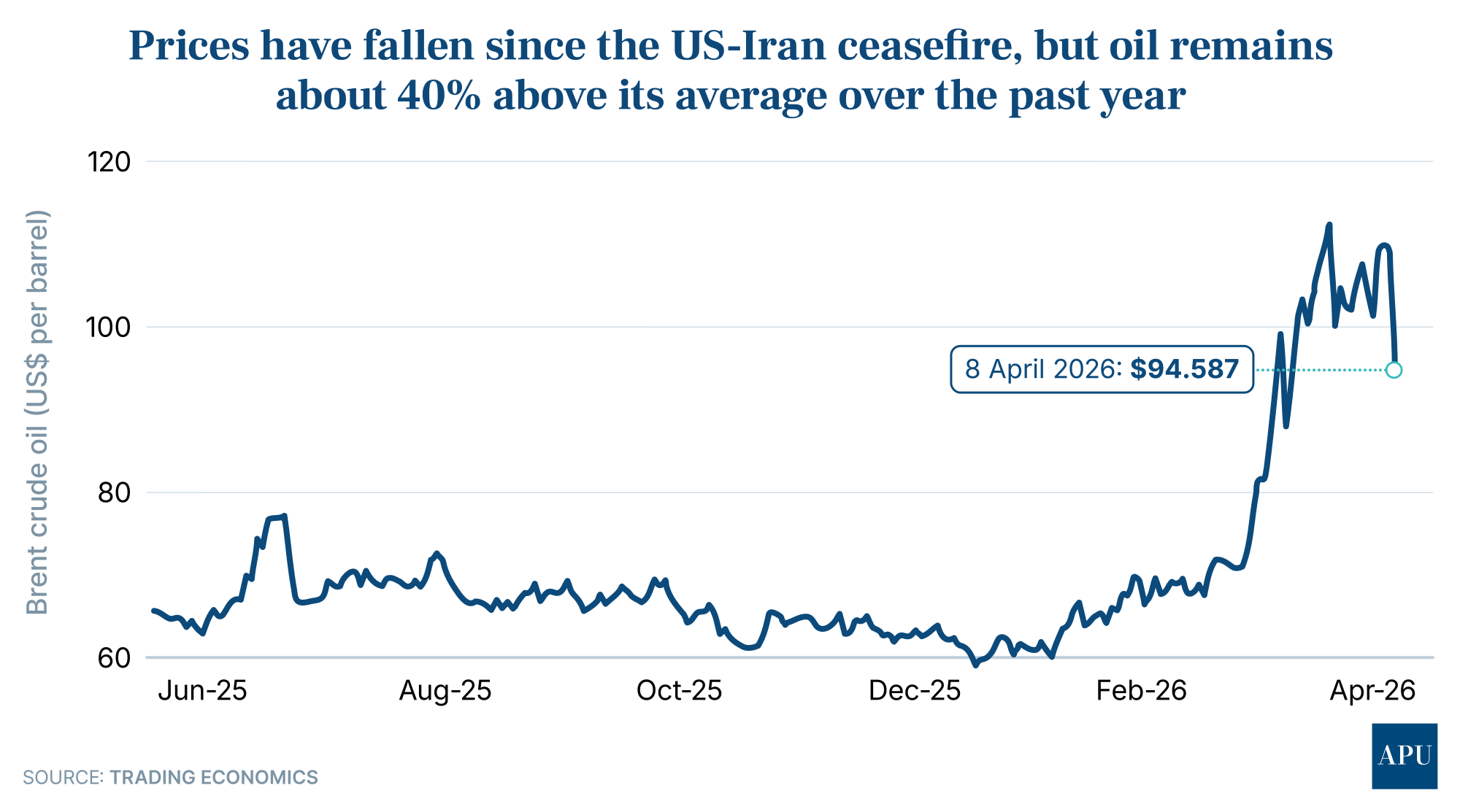
Although oil prices have fallen around 15% since US President Donald Trump announced a ceasefire with Iran, a barrel of Brent Crude Oil still costs around $US94.
That’s around 40% more than the average price of a barrel of oil over the last year, which helps explain why the International Energy Agency has said this conflict has caused the largest supply disruption in the history of the global oil market.
Then there’s the ongoing disruption to other energy sources and materials.
For example, Iranian strikes have already knocked out about 17% of Qatar's Liquid Natural Gas export capacity, and repairs could take three to five years.
While free passage of the Strait of Hormuz is crucial to the world’s oil supplies, the waterway off Iran’s coastline also has a critical role in international food security.
About one-third of global fertilizer trade normally passes through the Strait, with fertilizers heavily dependent on natural gas production.
Since the war started, urea prices have already jumped between 30% and 50%.
Less availability of cheap fertilizer and significantly higher diesel prices to run farm machinery raise the prospect of lower crop yields and higher food prices, with the United Nations warning that an additional 45 million people could fall into acute hunger if the conflict continues.
Then there’s plastics, which are derived from oil.
Prices for key plastic materials have already jumped around 40%, a cost that will feed into manufacturing chains around the world, affecting everything from food packaging to automobiles.
Collectively, all these effects from war in the Middle East are set to slow the global economy, with the World Trade Organisation predicting global GDP growth could drop by around 0.3% and the IMF set to downgrade its forecasts.
“All roads now lead to higher prices and slower growth," the IMF’s Managing Director Kristalina Georgieva says.
It's worth noting that every major recession since World War II, with the exception of the COVID-19 pandemic, was preceded by a major oil shock.
What this means for Australia
International consultancy Oxford Economics recently modelled the effects of the conflict in the Middle East on Australia.
Its most optimistic scenario saw the conflict resolving by the end of April, with the Strait of Hormuz reopening to around 50% normal maritime traffic in May and June, before gradually returning to full capacity over the next six months.
Oxford estimated this would see economic growth in Australia of 2.1% this year, down from its pre-conflict forecast of 2.4%.
“The challenges for the economy will come through several channels,” economists Harry McAuley and Harry Murphy Cruise write.
“Higher inflation will erode household incomes and cap spending growth at 1.7%.
“Businesses will also be squeezed, wedged between higher input costs and weaker consumer demand.”
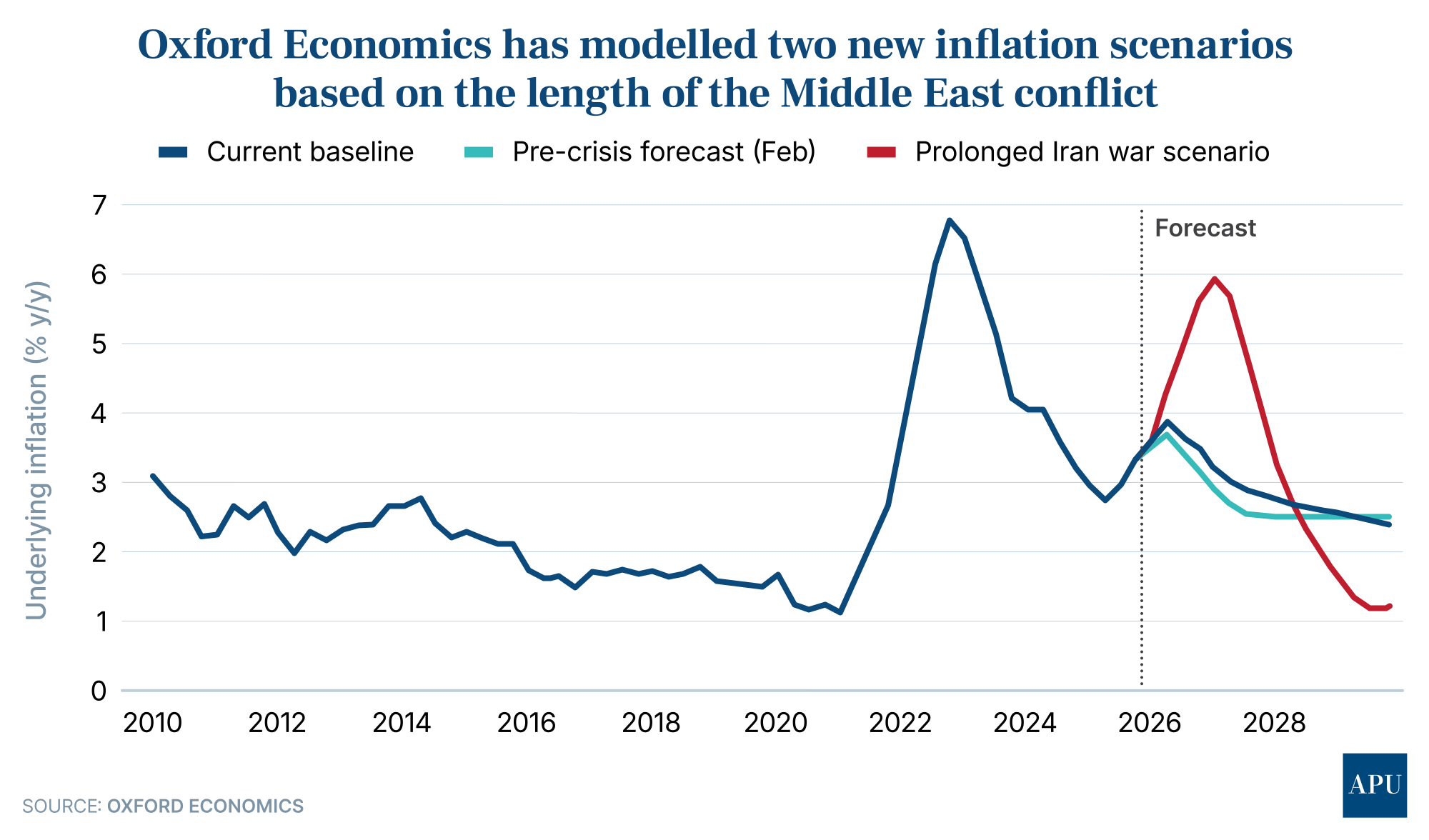
Oxford’s baseline (or least-worst scenario) sees underlying inflation hit 3.9% by mid-year, stay above 3% for the first half of 2027 and only return to the middle of the Reserve Bank of Australia’s 2%-3% target band in 2029.
In the “prolonged war scenario”, underlying inflation would hit 6% in early 2027 and headline inflation would surpass the 7.8% seen in December 2022.
In a surprise finding, the Oxford Economics team says that if the Iran conflict is resolved by the end of April, “we expect the RBA to hold off on further rate hikes.”
“To avoid causing too much pain for households and businesses, we expect the board will likely opt to keep rates in restrictive territory for longer, rather than push ahead with a sharper-but-shorter tightening cycle.”
However, if the conflict is prolonged, Oxford says the RBA would have no choice but to keep hiking the cash rate in order to try to bring inflation down.
That would see the cash rate hit 5% (currently it’s 4.1%) later this year, ushering in severe mortgage pain for Australian households, which would “tighten their belts and prioritise essential spending at the expense of discretionary goods and services.”
The Middle East crisis has led several property analysts and commentators to downgrade their previous price forecasts, particularly for Australia’s two largest markets - Sydney and Melbourne.
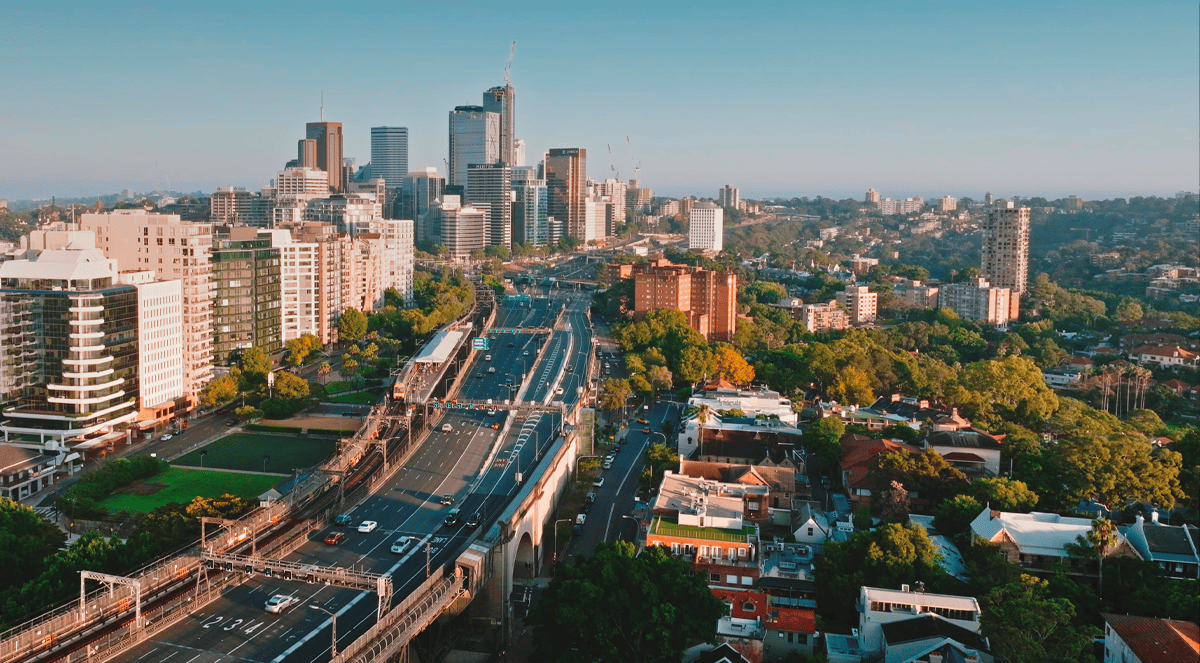
SQM’s Louis Christopher has slashed his national growth forecasts from an initial 6–10% down to 0–3%, while predicting property prices in Sydney and Melbourne could fall between -1% and -6%, with these markets generally more sensitive to interest rate hikes and potential job losses in the financial sector.
Independent property researcher Cameron Kusher has also said he is “getting pretty bearish” given the Middle East conflict and predictions that the RBA will keep raising interest rates to tame inflation.
Recent monthly figures from Australia’s two largest property data houses - Cotality and REA Group - both indicated the strong price growth of the past year is moderating, with Cotality data showing Sydney and Melbourne housing values declining slightly (-0.1% and -0.2% respectively) in March 2026.
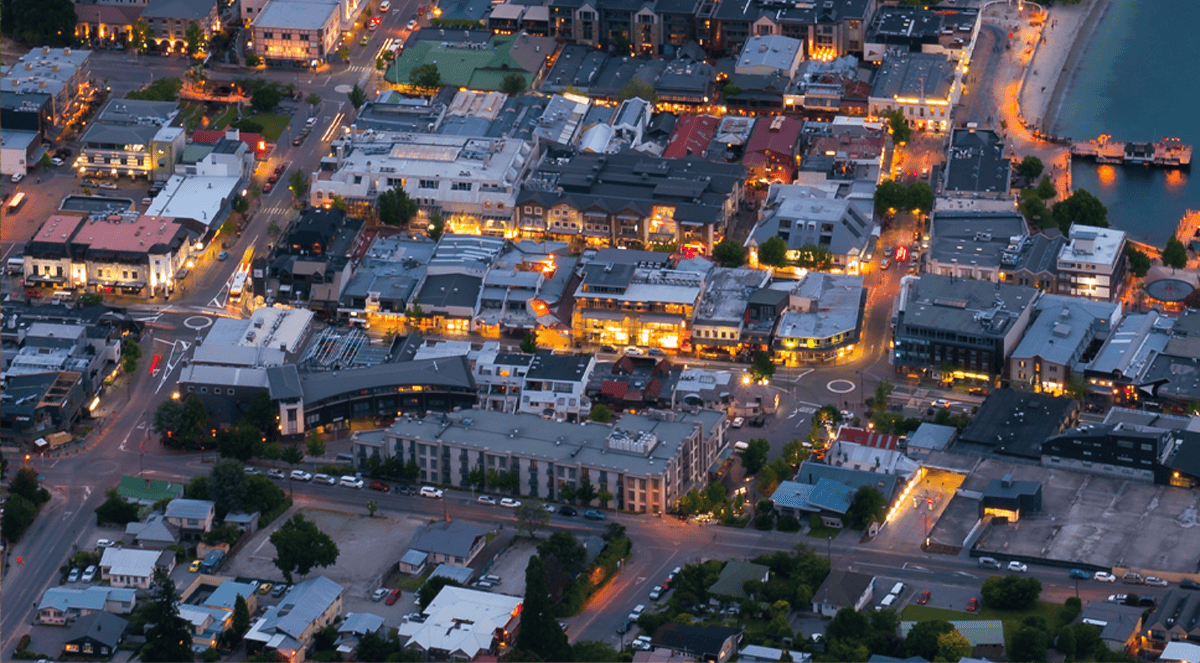
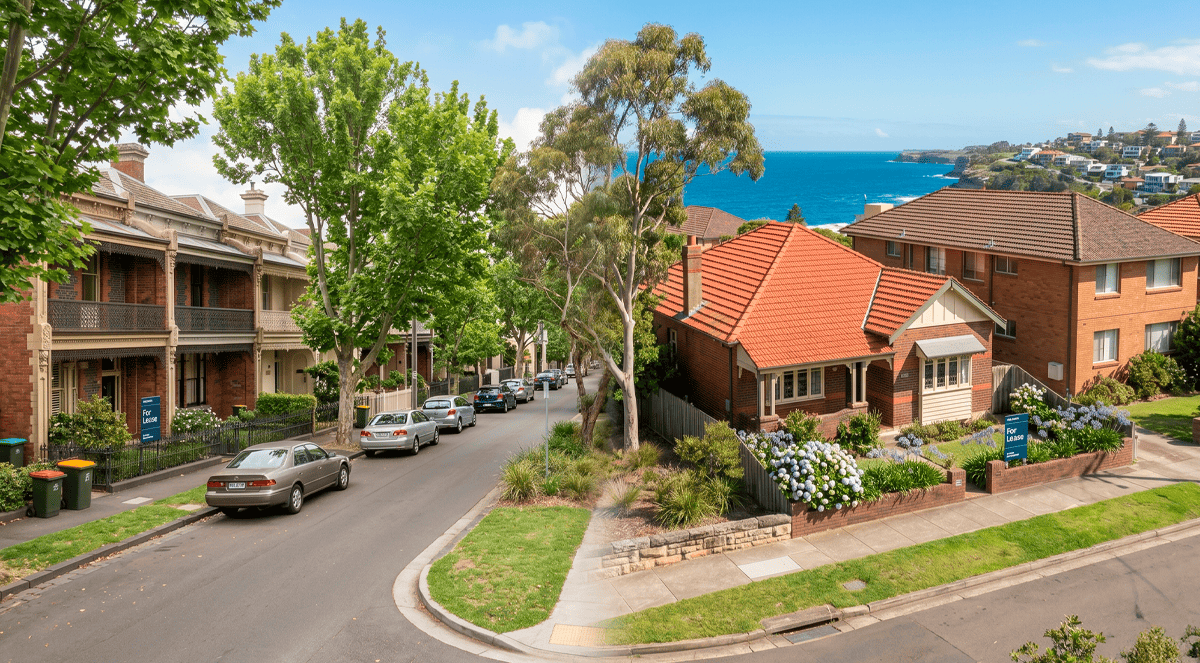
There’s no doubt that in the short-term, the effects of the Middle East conflict could hasten the slowdown of price growth in the residential property market.
However, the fundamental longer-term problem remains - Australia isn’t building enough homes for a population that is growing at one of the fastest rates in the western world.
And the lessons of the recent Covid pandemic are worth remembering.
After an initial dip and dire predictions in 2020 of housing prices falling by to 30% amid widespread job losses, the pandemic saw the largest uplift in property prices in 50 years.





%20Scott%20Kuru%20DPU%20221.jpg?width=1920&height=1080&name=The%20AI%20Situation%20in%20Australia%20Just%20Hit%20a%20Point%20of%20No%20Return...%20(Major%20Bank%20Proves%20It)%20Scott%20Kuru%20DPU%20221.jpg)


%20Scott%20Kuru%20DPU%20218.jpg?width=1920&height=1080&name=URGENT%20Australia%E2%80%99s%20Diesel%20Supply%20Is%20Far%20Worse%20Than%20People%20Realise%20(Major%20Bank%20Warns)%20Scott%20Kuru%20DPU%20218.jpg)
%20Scott%20Kuru%20DPU%20216.jpg?width=1920&height=1080&name=This%20Is%20How%20Recessions%20Start%20Aussies%20Are%20Shutting%20Their%20Wallets%20(Prepare%20Now)%20Scott%20Kuru%20DPU%20216.jpg)


%20Scott%20Kuru%20DPU%20213.jpg?width=1920&height=1080&name=BREAKING%20Australia%E2%80%99s%20Govt%20Just%20Got%20Caught%20(The%2047%25%20%E2%80%9CPartner%E2%80%9D%20Tax%20Grab)%20Scott%20Kuru%20DPU%20213.jpg)







%20Scott%20Kuru%20DPU%20203.jpg.jpg?width=1920&height=1080&name=Australia%E2%80%99s%20Housing%20Crisis%20Just%20Flipped%20Again%20(BIGGEST%20MARKET%20CRASH%20COMING)%20Scott%20Kuru%20DPU%20203.jpg.jpg)


%20Scott%20Kuru%20DPU%20200.jpg?width=1920&height=1080&name=The%20Govt%E2%80%99s%20Biggest%20Money%20Grab%20The%20Average%20Aussie%20Is%20Getting%20Crushed%20(And%20It%E2%80%99s%20Getting%20Worse)%20Scott%20Kuru%20DPU%20200.jpg)

%20Scott%20Kuru%20DPU%20198.jpg?width=1920&height=1080&name=Farmers%20Panic%20as%20Fuel%20Crisis%20Takes%20Over%20Australia%E2%80%99s%20Fertiliser%20Supply%20(Food%20Shock%20Has%20Begun)%20Scott%20Kuru%20DPU%20198.jpg)
%20Scott%20Kuru%20DPU%20197.jpg?width=1920&height=1080&name=URGENT%20Australia%E2%80%99s%20Property%20Market%20Is%20One%20Rate%20Hike%20Away%20From%20Snapping%20(This%20Is%20How%20It%20Starts)%20Scott%20Kuru%20DPU%20197.jpg)

%20Scott%20Kuru%20DPU%20195.jpg?width=1920&height=1080&name=The%20Biggest%20$83Bn%20Housing%20Scam%20Just%20Got%20Exposed%20(They%E2%80%99re%20Addicted%20to%20Taxing%20the%20Everyday%20Aussie)%20Scott%20Kuru%20DPU%20195.jpg)


%20Scott%20Kuru%20DPU%20192.jpg?width=1920&height=1080&name=The%20Middle%20Class%20Is%20Getting%20Wiped%20Out%20of%20Housing%20(Even%20When%20They%20Do%20Everything%20Right)%20Scott%20Kuru%20DPU%20192.jpg)






%20Scott%20Kuru%20DPU%20184.jpg?width=1920&height=1080&name=The%20Biggest%20Construction%20Collapse%20In%20Australian%20History%20Just%20Got%20Worse%20(300%2c000%20Homes%20Scrapped)%20Scott%20Kuru%20DPU%20184.jpg)
%20Scott%20Kuru%20DPU%20183.jpg?width=1920&height=1080&name=Australia%20To%20Declare%20Oil%20Emergency%20As%20US%20Cuts%20Off%20Oil%20Supply%20To%20Singapore%20(Oil%20Deal%20Under%20Threat)%20Scott%20Kuru%20DPU%20183.jpg)





.jpg?width=1920&height=1080&name=BREAKING%20The%20Govt%20Just%20Got%20Caught%20Red-Handed%20Manipulating%20Inflation%20-%20%20What%20They%E2%80%99re%20Not%20Telling%20You%20Scott%20Kuru%20DPU%20174%20(1).jpg)


%20Scott%20Kuru%20DPU%20%20171.jpg?width=1920&height=1080&name=BREAKING%20Something%20Big%20Just%20Flipped%20Australia%E2%80%99s%20Housing%20Market%20Outlook%20(No%20One%20Saw%20It%20Coming)%20Scott%20Kuru%20DPU%20%20171.jpg)
%20Scott%20Kuru%20DPU%20170.jpg?width=1920&height=1080&name=BREAKING%20Did%20Australia%20Just%20Sign%20the%20Worst%20Trade%20Deal%20with%20Europe%20(Ripped%20Off%20by%20$10B)%20Scott%20Kuru%20DPU%20170.jpg)
%20Scott%20Kuru%20DPU%20%20169.jpg?width=1920&height=1080&name=Australia%E2%80%99s%20Biggest%20NDIS%20Scam%20Uncovered%E2%80%94%20Over%20$50B%20of%20Taxpayer%20Money%20Stolen%20(Inquiry%20Launched)%20Scott%20Kuru%20DPU%20%20169.jpg)


%20Scott%20Kuru%20DPU%20160.jpg?width=1920&height=1080&name=FINAL%20WARNING%20Westpac%20Just%20Dropped%20a%20Brutal%20Housing%20Bombshell%20(Australia%20Won%E2%80%99t%20Be%20Ready)%20Scott%20Kuru%20DPU%20160.jpg)

%20Scott%20Kuru%20DPU%20158.jpg?width=1920&height=1080&name=JUST%20IN%20Australia%E2%80%99s%20Builder%20Collapse%20Has%20Officially%20Begun%20(Millions%20Will%20Pay%20The%20Price%20in%202026)%20Scott%20Kuru%20DPU%20158.jpg)
%20Scott%20Kuru%20DPU%20157.jpg?width=1920&height=1080&name=JUST%20IN%20Something%20Major%20Just%20Flipped%20Australia%E2%80%99s%20Property%20Market%20for%202026%20(No%20One%20Has%20Noticed%20Yet)%20Scott%20Kuru%20DPU%20157.jpg)
%20Scott%20Kuru%20DPU%20156.jpg?width=1920&height=1080&name=BREAKING%20Do%20China%20and%20Japan%20Now%20Own%20Most%20of%20Australia%E2%80%99s%20Property%20Market%20(New%20Data%20Out)%20Scott%20Kuru%20DPU%20156.jpg)
%20Scott%20Kuru%20DPU%20154.jpg?width=1920&height=1080&name=WARNING%20Australia%E2%80%99s%20Cost%20of%20Living%20Crisis%20Has%20Reached%20a%20Breaking%20Point%20(Millions%20Will%20Be%20Homeless)%20Scott%20Kuru%20DPU%20154.jpg)
%20Scott%20Kuru%20DPU%20153.jpg?width=1920&height=1080&name=Senate%20Inquiry%20Exposes%20Australia%E2%80%99s%20Oil%20Crisis%20Far%20Worse%20Than%20Expected%20($50%20Billion%20Lost)%20Scott%20Kuru%20DPU%20153.jpg)


%20Scott%20Kuru%20DPU%20150.jpg?width=1920&height=1080&name=BREAKING%20Senate%20Hearing%20Proves%20They%20Deliberately%20Inflated%20House%20Prices%20(This%20Wasnt%20an%20Accident)%20Scott%20Kuru%20DPU%20150.jpg)
.jpg?width=1920&height=1080&name=WARNING%20Australia%E2%80%99s%20High%20Debt%20Levels%20Could%20Collapse%20the%20Economy%20-%20Are%20We%20Headed%20for%20Bankruptcy%20Scott%20Kuru%20DPU%20149%20(1).jpg)
%20Scott%20Kuru%20DPU%20148.jpg?width=1920&height=1080&name=Australia%20Is%20on%20the%20Brink%20of%20History%E2%80%99s%20Worst%20Mortgage%20Default%20Crisis%20(Housing%20Crash%20Inevitable)%20Scott%20Kuru%20DPU%20148.jpg)
%20Scott%20Kuru%20DPU%20147.jpg?width=1920&height=1080&name=RBA%20Warns%20Inflation%20Has%20Pushed%20Australia%20Into%20Household%20Recession%20(Millions%20Face%20Pay%20Cuts%20in%202026)%20Scott%20Kuru%20DPU%20147.jpg)
%20Scott%20Kuru%20DPU%20145.jpg?width=1920&height=1080&name=Senate%20Inquiry%20Forced%20the%20RBA%20to%20Admit%20the%20Housing%20Crisis%20Will%20Never%20Be%20Fixed%20(It%20Was%20All%20a%20Lie)%20Scott%20Kuru%20DPU%20145.jpg)


%20Scott%20Kuru%20DPU%20141.jpg?width=1920&height=1080&name=The%20Senate%20Just%20Exposed%20Australias%20Biggest%20$80%20Billion%20Housing%20Fraud%20(Inquiry%20Launched)%20Scott%20Kuru%20DPU%20141.jpg)




%20Scott%20Kuru%20DPU136.jpg?width=1920&height=1080&name=Aussies%20Just%20Got%20Hit%20With%20Double%20Taxes%20on%20Everything%20(This%20Has%20Gone%20Too%20Far)%20Scott%20Kuru%20DPU136.jpg)


%20Scott%20Kuru%20DPU%20133.jpg?width=1920&height=1080&name=JUST%20IN%20Something%20Major%20Just%20Flipped%20Australia%E2%80%99s%20Property%20Market%20for%202026%20(No%20One%20Saw%20This%20Coming)%20Scott%20Kuru%20DPU%20133.jpg)


.jpg?width=1920&height=1080&name=Rental%20Prices%20At%20Record%20Highs%20And%20Vacancy%20Rates%20At%20All%20Time%20Lows%20(New%20Data%20Reveals).jpg)
%20%20DPU%20EP%2014.jpg?width=1920&height=1080&name=Investors%20Shutting%20Out%20First%20Home%20Buyers%20(Investors%20At%20Record%20Highs)%20%20DPU%20EP%2014.jpg)
.jpg?width=1920&height=1080&name=Darwins%20Property%20Market%20Boom%20or%20Dangerous%20Gamble%20(REVEALED).jpg)
.jpg?width=1920&height=1080&name=The%20RBA%E2%80%99s%20Rate%20Cut%20Could%20Explode%20House%20Prices%20(Here%E2%80%99s%20Why).jpg)



.jpg?width=1920&height=1080&name=Warning%2c%20You%20Might%20Be%20Facing%20Higher%20Taxes%20Soon%20(1).jpg)



.png?width=1920&height=1080&name=Rate%20Drops%20Signal%20BIGGEST%20Property%20Boom%20in%20DECADES%20(1).png)

.jpg?width=1920&height=1080&name=Labor%20vs%20Liberal%20These%20Housing%20Policies%20Could%20Change%20the%20Property%20Market%20Forever%20(1).jpg)
.jpg?width=1920&height=1080&name=QLD%20Slashes%20Stamp%20Duty%20Big%20News%20for%20Investors%20%26%20Home%20Buyers%20(1).jpg)