









.png?width=292&height=292&name=Copy%20Link%20(1).png)

 SIGN UP FOR FREE NEWSLETTER
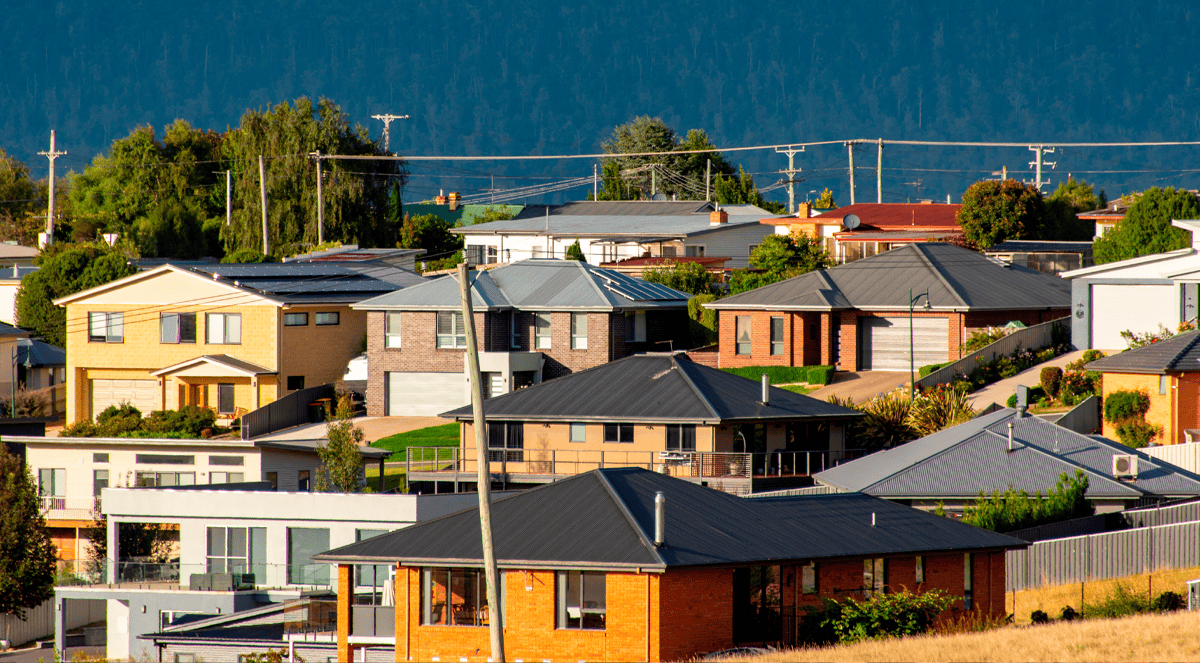
The recent easing in home prices may be providing some relief for buyers, but Deloitte Access Economics says any downturn is unlikely to last.
The reason? The nation is still simply failing to build enough homes.
The warning comes after Cotality’s national Home Value Index fell 0.4% in June, its largest monthly decline since December 2022.
But Deloitte Access Economics Partner Stephen Smith and economist Dan Kelly say the deeper forces that have driven Australian home prices higher remain firmly in place.
And their conclusion is blunt: without a substantial improvement in housing supply, softer prices are likely to prove temporary.
The details
Cotality figures for June show Sydney led the national downturn with a 1.2% fall, while Melbourne values dropped 1%.
Even the previously booming markets of Brisbane and Perth lost momentum, recording much smaller monthly gains of 0.3% and 0.7%, respectively.
According to Deloitte, the combination of higher interest rates and investors’ initial response to the Federal Budget tax reforms designed to reduce investor demand for established property has contributed to the recent weakening in prices.
“Fiscal and monetary policy are acting together to soften housing prices,” Stephen Smith and Dan Kelly write in a new economic note.
“The combined effect of tighter monetary policy and investors’ initial reaction to the tax changes has been a softening in the housing market.”
However, they argue this shift in momentum is “very likely to be a short-term story”.
“While housing price growth has softened, supply constraints are likely to keep upward pressure on prices over the medium term,” they say.
Despite the June fall, Cotality says national dwelling values remain 7.3% higher than a year ago.
Treasury modelling also suggests the Budget’s tax reforms will slow the pace of house price growth by only two percentage points over the next year or two.
Deloitte suggests that is unlikely to generate the sustained fall in prices required to restore housing affordability.
“Improved affordability remains a long way off, and the structural challenge remains supply,” the economists write.
Supply
Smith and Kelly say there are signs that the housing construction pipeline is picking up.
ABS figures show residential building approvals increased 16.6% over the year to May when measured on a rolling 12-month basis.
But the total amounted to only about 203,000 approved homes.
That remains well short of the 240,000 homes Australia must approve and ultimately complete every year to meet the National Housing Accord target of 1.2 million new dwellings over five years.
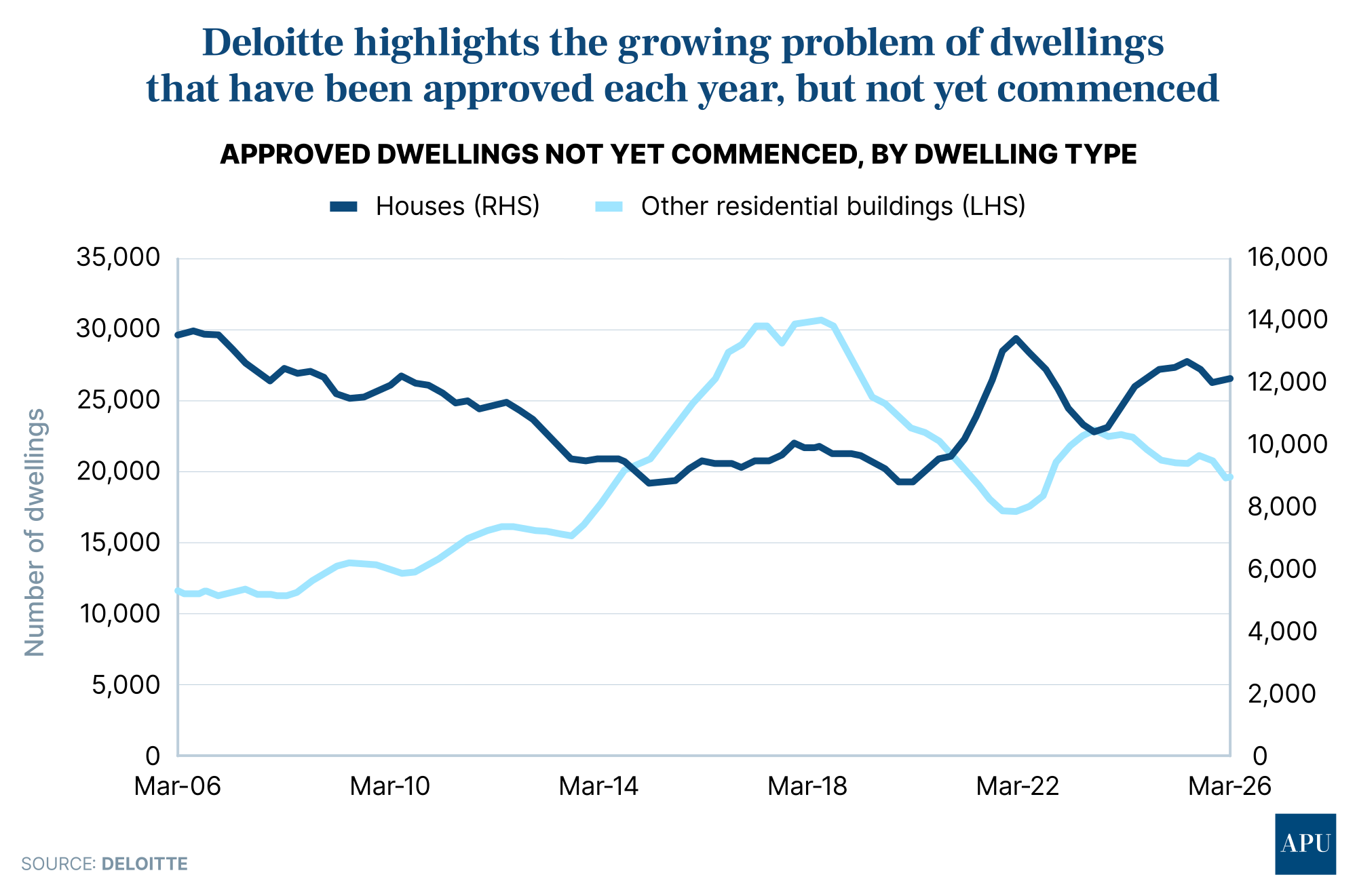
Approvals also do not necessarily translate into completed homes.
Deloitte says an increasing number of approved homes are failing to move into the construction phase, highlighting the capacity and feasibility problems affecting the building industry.
The average number of houses approved but not yet commenced rose to around 12,100 over the year to March 2026, an increase of 8% compared with three years earlier.
Builders are dealing with elevated labour and material costs, trade shortages, financial pressure and delays.
In many cases, projects that receive planning approval are not financially viable at current construction and borrowing costs.
Smith and Kelly also point out the apparent improvement in the pipeline for apartments and townhouses is less encouraging than it initially appears.
The number of approved non-house dwellings (the ABS category which includes apartments and townhouses) awaiting commencement has been declining.
However, Deloitte says that’s largely because fewer projects have been approved in the first place, rather than because builders are rapidly clearing an existing backlog.
“Large apartment projects often rely on strong off-the-plan sales to secure finance and commence construction, meaning weaker buyer confidence and expectations of slower price growth could also delay new supply,” Smith and Kelly write.
That creates a potential contradiction.

Policies that soften demand and slow prices may help some buyers in the near term, but weaker confidence can also delay the new housing supply needed to improve affordability over the longer term.
Deloitte’s analysis also suggests higher interest rates will not permanently restrain housing values.
Once inflation is brought under control, interest rates will fall, which the economists believe will restore some borrowing capacity and confidence to the property market.
“But higher interest rates are cyclical, and Treasury’s modelling suggests the long-run effect of tax changes will be modest,” they say.
That leaves the supply shortage as the enduring problem.
Australia’s population continues to require more homes, but approvals remain below the pace needed to meet the Housing Accord target and many approved projects are not moving quickly into construction.
“This means that until the supply side catches up, softer prices are likely to be a temporary phenomenon and will offer only limited relief for buyers from an affordability crisis that remains, at its core, unresolved,” Smith and Kelly conclude.




.jpg?width=1920&height=1080&name=WTF%20Is%20Happening%20To%20The%20Housing%20Market!%20$500%20Billion%20Wiped%20Out%20As%20Prices%20Fall%20Faster%20Every%20Month%20Scott%20Kuru%20YPU%20027%20(1).jpg)

%20Scott%20Kuru%20YPU%20025.jpg?width=1920&height=1080&name=This%20Is%20Worse%20Than%20A%20Recession%20RBA%20Admits%20Australias%20Wage%20Collapse%20Cant%20Be%20Stopped%20(Prepare%20Now)%20Scott%20Kuru%20YPU%20025.jpg)



























.jpg?width=1920&height=1080&name=EXPOSED%20How%20The%20Govt%20Let%20These%20Oil%20Giants%20Get%20Away%20With%20Paying%20Zero%20Tax%20For%20Aussie%20Gas%20Scott%20Kuru%20DPU%20256%20(1).jpg)






%20Scott%20Kuru%20DPU%20248.jpg?width=1920&height=1080&name=Major%20Banks%20CAUGHT%20Preparing%20For%20Australia%E2%80%99s%20Biggest%20Housing%20Crash%20(Defaults%20%26%20Bankruptcies%20Coming)%20Scott%20Kuru%20DPU%20248.jpg)
%20Scott%20Kuru%20DPU%20247.jpg?width=1920&height=1080&name=This%20Is%20How%20Australia%20Gets%20Pushed%20Into%20the%20Next%20Big%20Reset%20(Trust%20Collapse%20Has%20Officially%20Begun)%20Scott%20Kuru%20DPU%20247.jpg)







%20Scott%20Kuru%20DPU%20239.jpg?width=1920&height=1080&name=URGENT%20Life%20In%20Australia%20Has%20Become%20Impossible%20For%20Millions%20Of%20Aussies%20(It%E2%80%99s%20About%20To%20Get%20Worse)%20Scott%20Kuru%20DPU%20239.jpg)










%20Scott%20Kuru%20DPU%20227.jpg?width=1920&height=1080&name=URGENT%20ALERT%20Australia%E2%80%99s%20Property%20Market%20Is%20Sliding%20Into%20Something%20Much%20Bigger%20(Prepare%20Now)%20Scott%20Kuru%20DPU%20227.jpg)





%20Scott%20Kuru%20DPU%20221.jpg?width=1920&height=1080&name=The%20AI%20Situation%20in%20Australia%20Just%20Hit%20a%20Point%20of%20No%20Return...%20(Major%20Bank%20Proves%20It)%20Scott%20Kuru%20DPU%20221.jpg)