









.png?width=292&height=292&name=Copy%20Link%20(1).png)

 SIGN UP FOR FREE NEWSLETTER
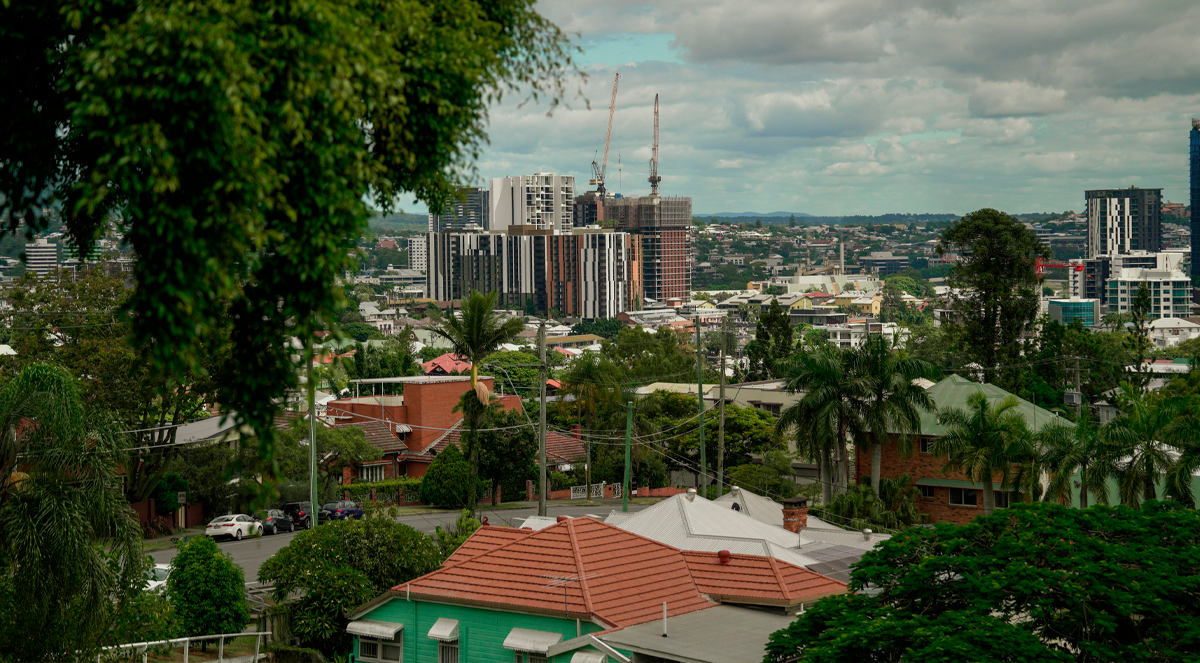
Image from ABC News: Crystalyn Brown
Housing affordability in Australia is showing tentative signs of improvement, according to two recent reports from leading property industry bodies.
However, both data sets suggest the relief is modest and fragile, coming off what remain some of the worst affordability conditions on record.
The details
Two major reports released in recent weeks - the Real Estate Institute of Australia’s (REIA) September 2025 quarter Housing Affordability Report and PropTrack’s annual Housing Affordability Report - paint a consistent picture: borrowing conditions have eased slightly thanks to higher incomes and interest rate cuts this year, but most households are still under severe pressure when it comes to housing.
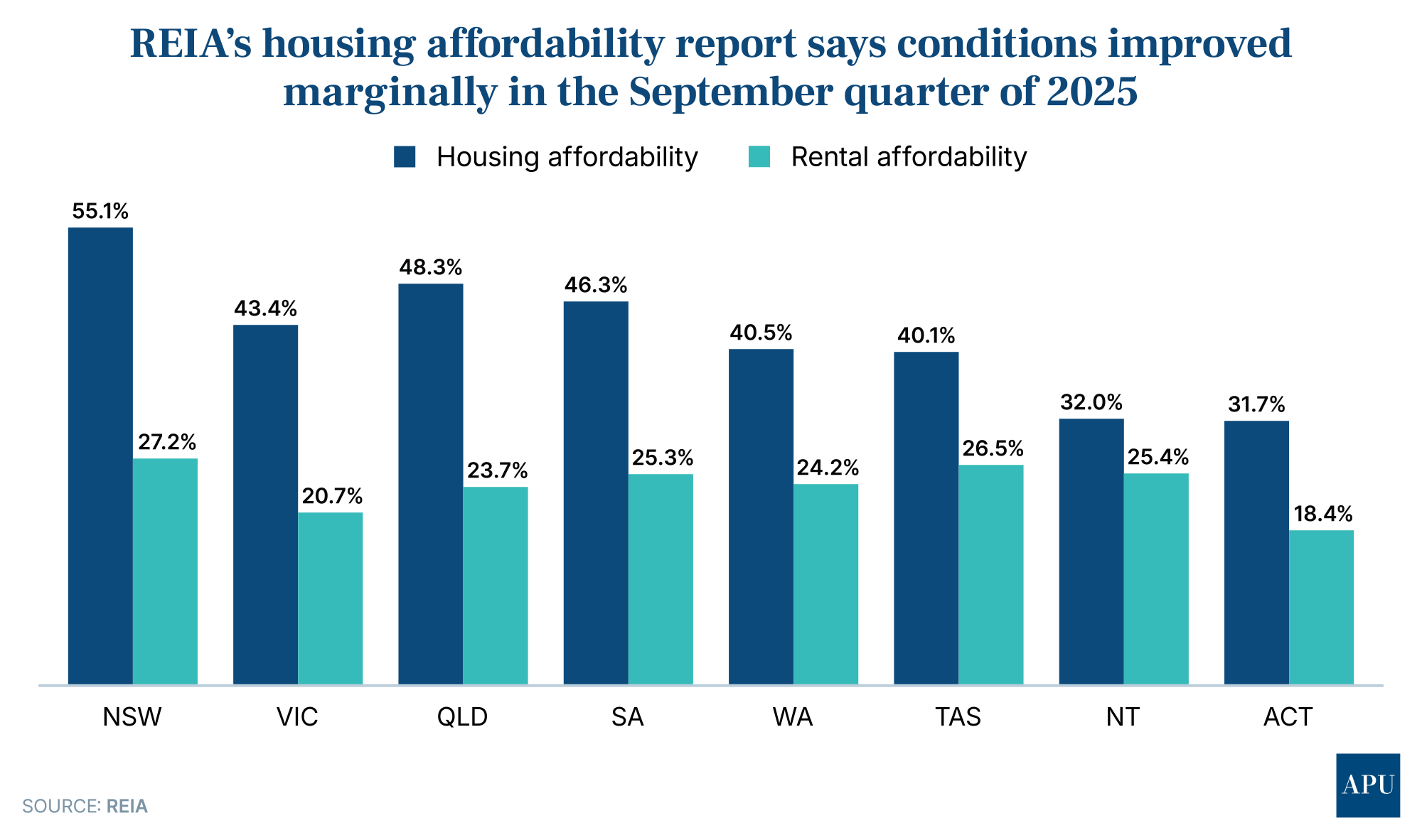
The REIA report shows housing affordability improved for a third consecutive quarter, with the share of median family income required to meet average home loan repayments falling to 47.0% in the September quarter.
That marked a 0.5% improvement over the quarter and a 1.6% improvement over the year.
REIA president Jacob Caine says the recent trend is encouraging but warns it shouldn’t be overstated.
“It’s encouraging to see housing becoming a bit more affordable for Australian families for the third quarter in a row,” he says.
“But with first-home buyer activity slightly contracting and higher than anticipated inflation affecting interest rates, many households will still face challenges in the months ahead.”
Affordability improved in every state and territory except Queensland, which recorded a marginal deterioration, while rental affordability held steady nationally at 24.3%.
Rental conditions improved over the year in New South Wales, Victoria, South Australia and the ACT, but tightened slightly in Queensland, Western Australia, Tasmania and the Northern Territory.
At the same time, first-home buyer activity softened, with new loan commitments falling 3% over the quarter to 29,252.
The average loan size to first-home buyers rose to $560,249, up 4.4% over the year, highlighting the ongoing cost pressures facing new entrants to the market.
“These gains are encouraging but fragile,” Mr Caine says.
“This report demonstrates that steady progress is possible, but sustaining affordability for Australians requires ongoing action from government, industry, and the wider housing sector.”
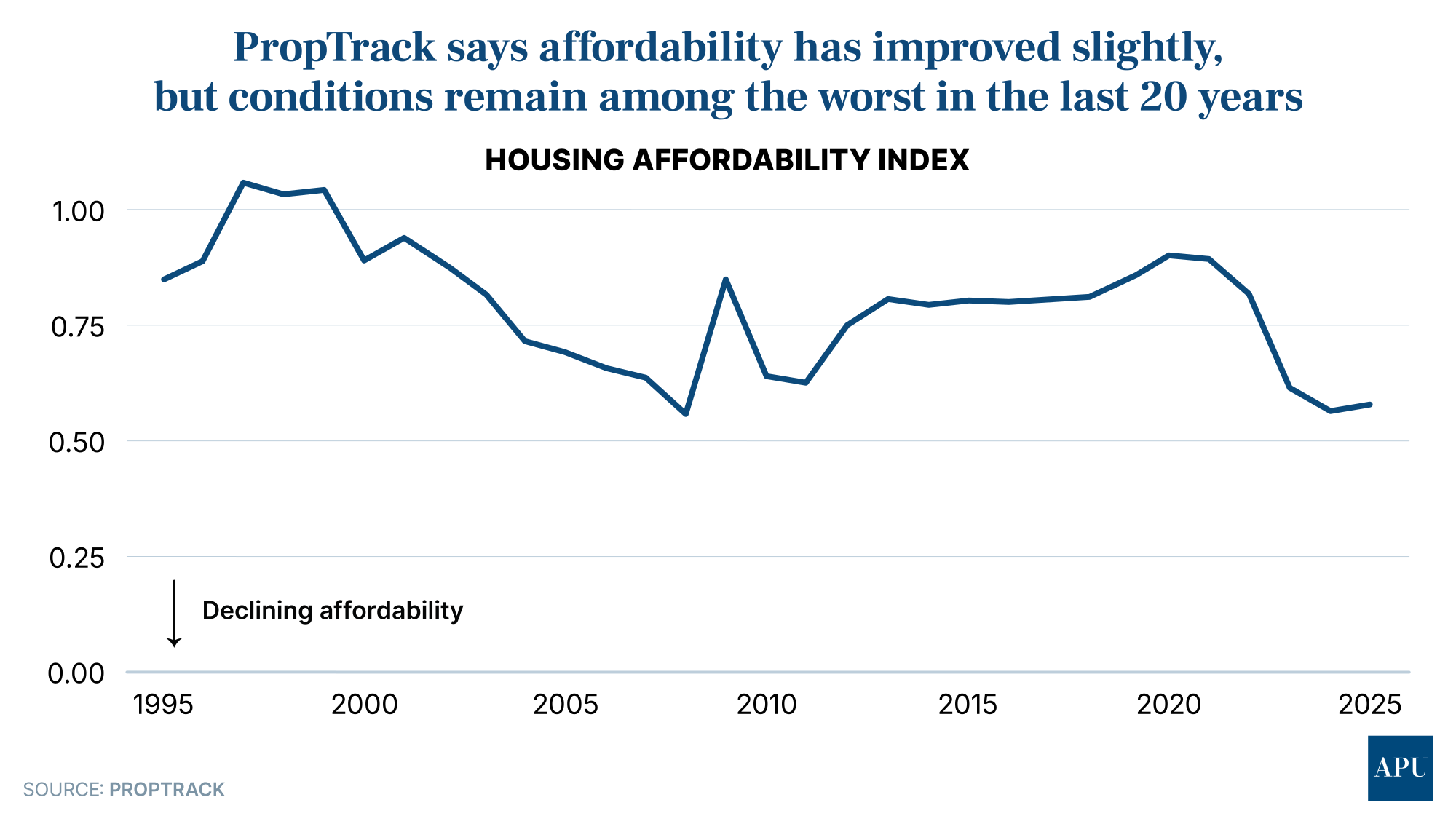
The REIA’s cautious message is echoed in PropTrack’s annual Housing Affordability Report, which found affordability improved slightly over 2025 but remains near record lows.
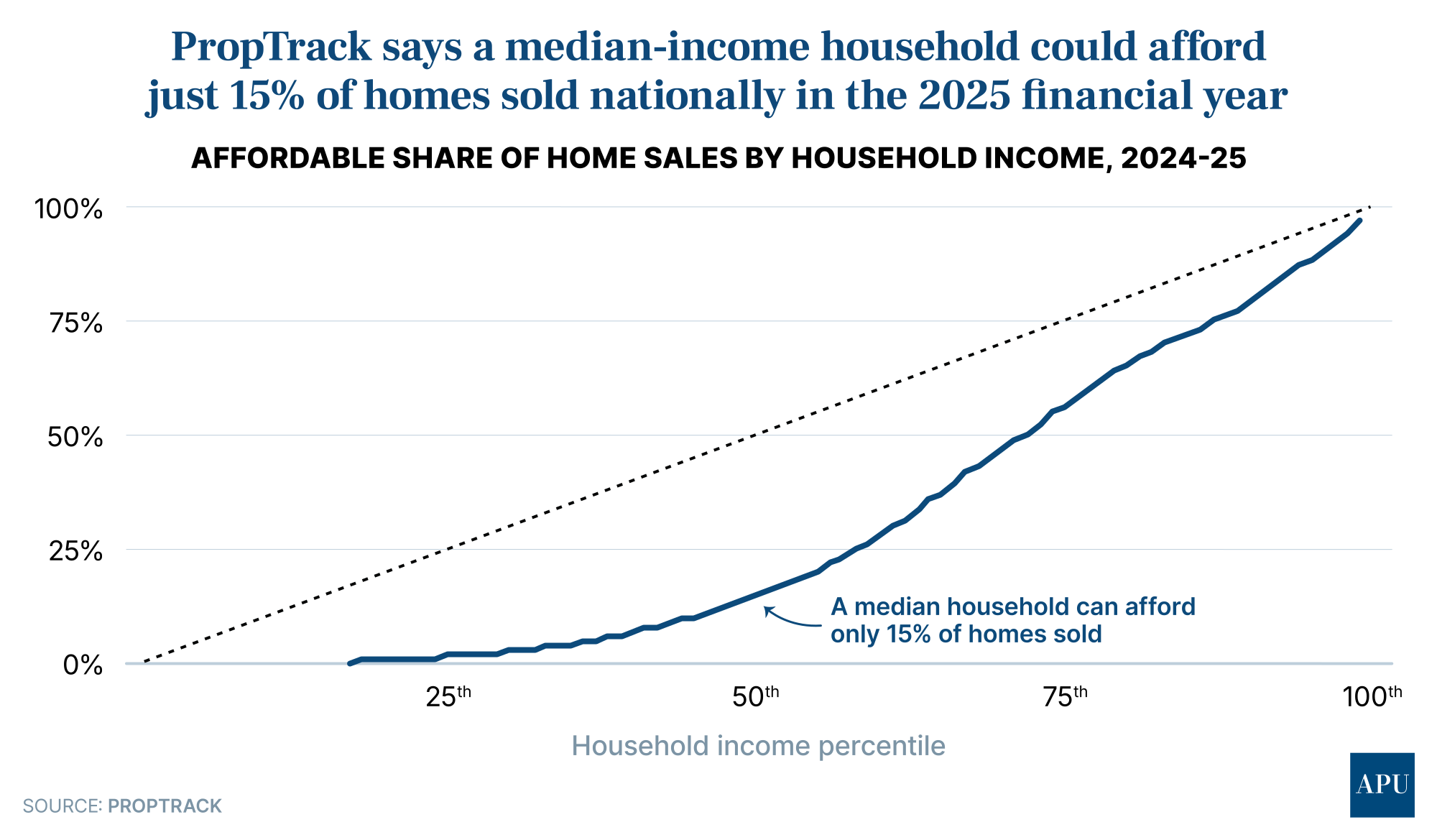
Using its Housing Affordability Index - which measures the share of homes affordable to households across the income distribution - REA Group’s data arm found that a median-income household earning about $118,000 a year could afford just 15% of homes sold nationally in the 2025 financial year.
That was an improvement from 11% a year earlier, but still highlights how unaffordable the market remains.
REA Group Senior Economist Angus Moore said the improvement reflects a narrow window of easing conditions earlier in the year.
“Higher income growth, coupled with lower interest rates following the RBA’s cuts in February and May, eased borrowing costs and boosted borrowing capacity,” he says.
“But even so, affordability remains near record lows, with conditions particularly challenging in New South Wales and South Australia.”
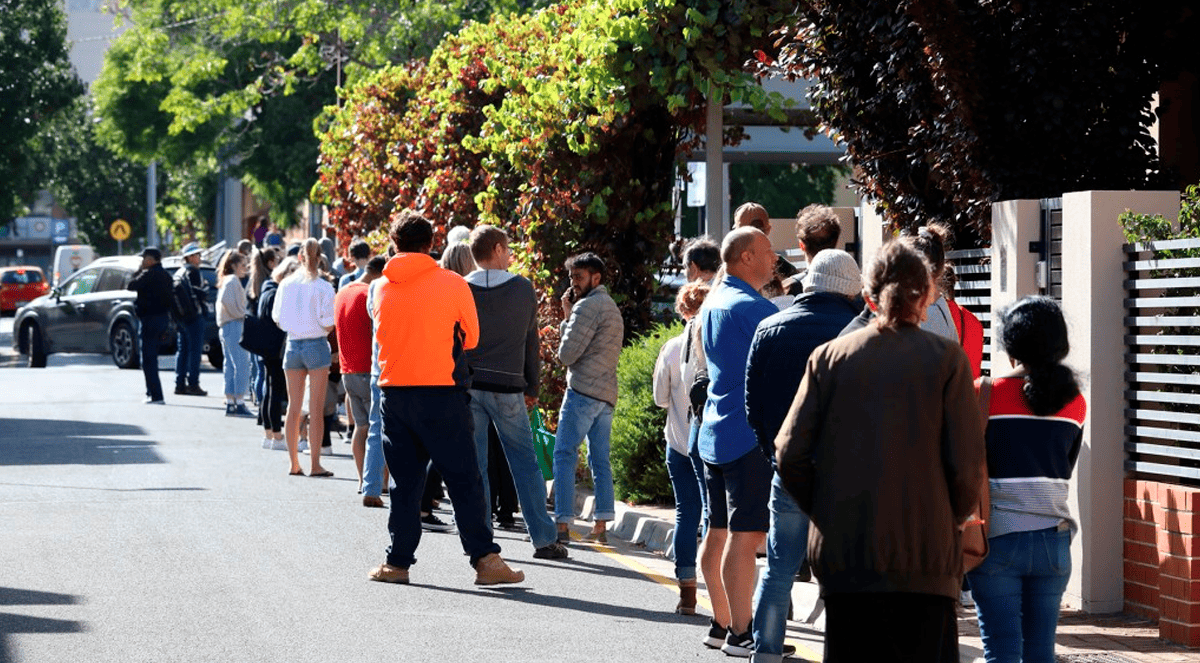
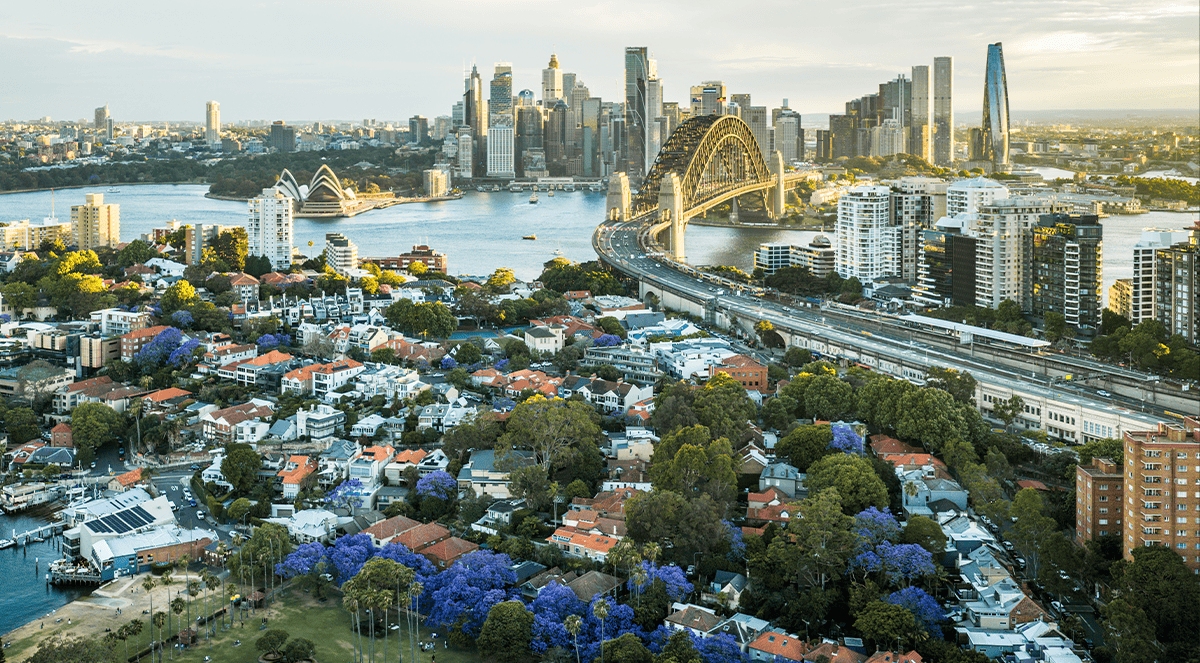
PropTrack’s data shows low-income households remain effectively locked out of the market, with those at the 30th income percentile able to afford just 3% of homes sold over the past year.
Even average-income households face long saving times, needing nearly six years to accumulate a 20% deposit on a median-priced home.
While borrowing capacity increased by almost 10% on average, home prices also continued to rise, up 7% nationally since the start of 2025, according to PropTrack figures.
More affordable segments of the market recorded faster price growth than higher-end homes, worsening affordability for lower and middle-income buyers.
“The three (interest rate) cuts we've… seen in 2025 will continue to support home price growth, albeit at a slower pace than in recent years, given the very challenging level of housing affordability,” PropTrack Senior Economist Angus Moore says.
“As a result, affordability will remain challenged in the year ahead.
“While there's still a chance of another rate cut next year, we aren't likely to see more than that.”
The take-out
Taken together, the two housing affordability reports suggest Australia may be past the absolute worst point for housing affordability, but only just.
And they are worth putting in context.
While REIA and PropTrack note that affordability is improving, both show the amount of pre-tax household income required to service the mortgage on a median home is way above the 30% threshold, which indicates “mortgage stress”.
In fact, in New South Wales, REIA figures show an average household would have to dedicate 55% of its pre-tax income to mortgage repayments - nearly double the threshold for mortgage stress.
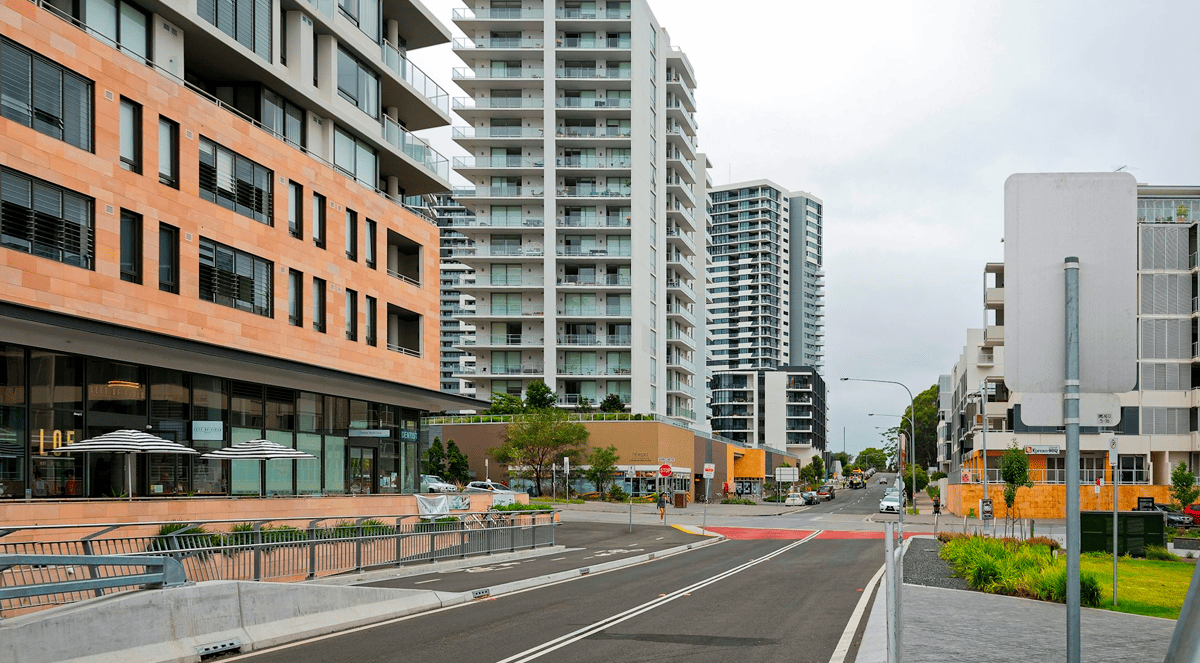
Small improvements driven by income growth and lower interest rates also risk being quickly eroded by rising prices, tight rental markets and slowing first-home buyer activity, leaving affordability stuck at historically difficult levels well into 2026.







.jpg?width=1920&height=1080&name=WTF%20Is%20Happening%20To%20The%20Housing%20Market!%20$500%20Billion%20Wiped%20Out%20As%20Prices%20Fall%20Faster%20Every%20Month%20Scott%20Kuru%20YPU%20027%20(1).jpg)
%20Scott%20Kuru%20YPU%20025.jpg?width=1920&height=1080&name=This%20Is%20Worse%20Than%20A%20Recession%20RBA%20Admits%20Australias%20Wage%20Collapse%20Cant%20Be%20Stopped%20(Prepare%20Now)%20Scott%20Kuru%20YPU%20025.jpg)



























.jpg?width=1920&height=1080&name=EXPOSED%20How%20The%20Govt%20Let%20These%20Oil%20Giants%20Get%20Away%20With%20Paying%20Zero%20Tax%20For%20Aussie%20Gas%20Scott%20Kuru%20DPU%20256%20(1).jpg)






%20Scott%20Kuru%20DPU%20248.jpg?width=1920&height=1080&name=Major%20Banks%20CAUGHT%20Preparing%20For%20Australia%E2%80%99s%20Biggest%20Housing%20Crash%20(Defaults%20%26%20Bankruptcies%20Coming)%20Scott%20Kuru%20DPU%20248.jpg)
%20Scott%20Kuru%20DPU%20247.jpg?width=1920&height=1080&name=This%20Is%20How%20Australia%20Gets%20Pushed%20Into%20the%20Next%20Big%20Reset%20(Trust%20Collapse%20Has%20Officially%20Begun)%20Scott%20Kuru%20DPU%20247.jpg)







%20Scott%20Kuru%20DPU%20239.jpg?width=1920&height=1080&name=URGENT%20Life%20In%20Australia%20Has%20Become%20Impossible%20For%20Millions%20Of%20Aussies%20(It%E2%80%99s%20About%20To%20Get%20Worse)%20Scott%20Kuru%20DPU%20239.jpg)










%20Scott%20Kuru%20DPU%20227.jpg?width=1920&height=1080&name=URGENT%20ALERT%20Australia%E2%80%99s%20Property%20Market%20Is%20Sliding%20Into%20Something%20Much%20Bigger%20(Prepare%20Now)%20Scott%20Kuru%20DPU%20227.jpg)





%20Scott%20Kuru%20DPU%20221.jpg?width=1920&height=1080&name=The%20AI%20Situation%20in%20Australia%20Just%20Hit%20a%20Point%20of%20No%20Return...%20(Major%20Bank%20Proves%20It)%20Scott%20Kuru%20DPU%20221.jpg)