








.png?width=292&height=292&name=Copy%20Link%20(1).png)

 SIGN UP FOR FREE NEWSLETTER
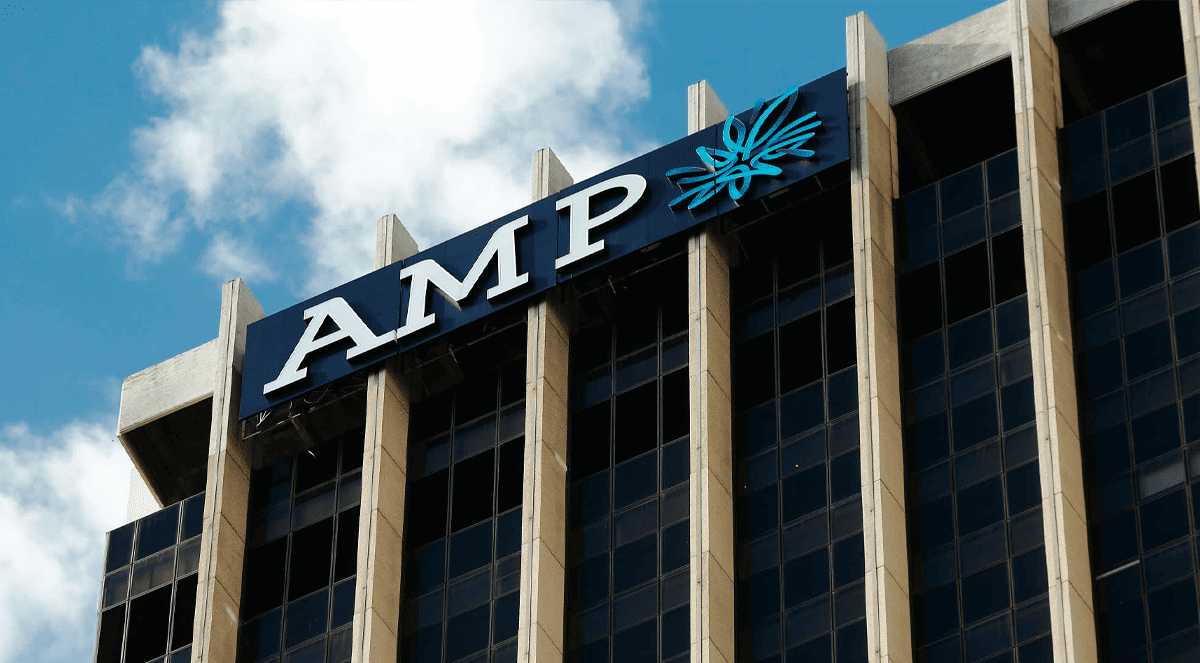
Image from Bloomberg
Leading Australian financial institution AMP says it expects residential property prices to continue to rise in 2026, albeit at a slower pace than last year.
AMP expects a combination of the lagged effect of the three rate cuts from the Reserve Bank of Australia in 2025, the Albanese government’s expanded First Home Guarantee and Help to Buy schemes and a continuing housing shortage are likely to keep the upswing in property prices going in 2026.
However, AMP’s Chief Economist, Shane Oliver, says the pace of gains will likely be slower, with the RBA “at or very close to the bottom of the interest rate cycle”, affordability worse than ever and the banking regulator APRA starting to ramp up controls to slow risky or speculative lending.
Dr Oliver says he now expects national property prices to record between 5-7% growth, down from 2025’s strong 8.6% result.
The details
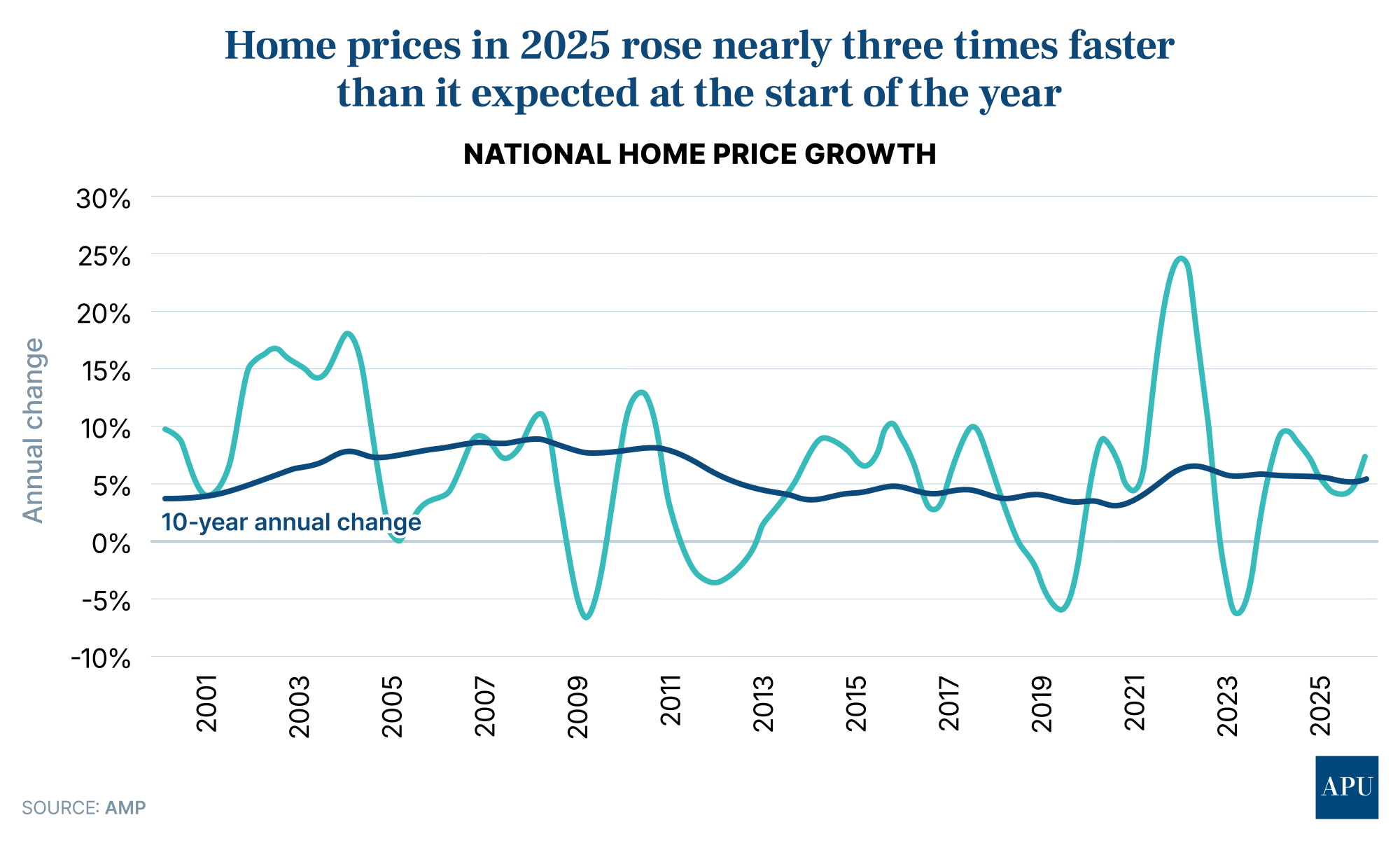
AMP says Australia’s housing market dramatically outperformed expectations in 2025, with prices rising almost three times faster than it anticipated and defying worsening affordability.
National home values climbed for most of the year, supported by interest rate cuts, government buyer incentives and a deep housing shortage.
Cotality data shows national prices rose another 0.7% in December 2025, easing from November’s 1% but keeping annual growth at 8.6%, back above the long-run average.
“The surge in property prices (in 2025)...has been stronger than the 3% average rise we expected at the start of the year,” AMP’s Shane Oliver says.
Dr Oliver says the market’s strength is further confirmation that the Reserve Bank’s three rate cuts (in February, May and August of 2025) are still working their way through the economy, and may now actually be contributing to speculation that the next move in rates is up.
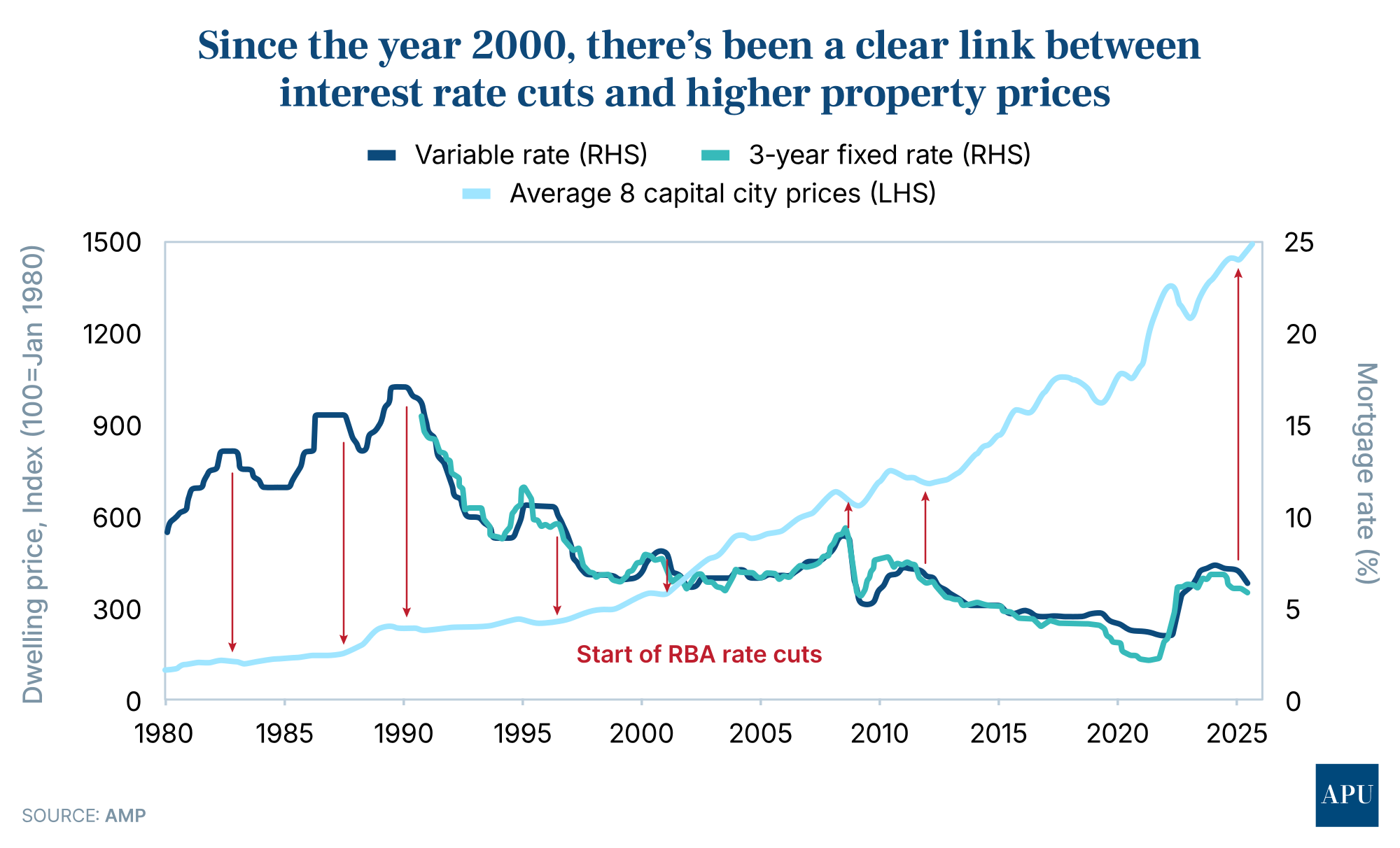
“The upswing in property prices is another indication RBA rate cuts have got traction and, along with higher-than-expected inflation and indications of stronger economic growth, are now contributing to a less favourable outlook for interest rates,” he says.
Near-record low rental vacancies have pushed annual rent growth to 5%, adding more pressure to the inflation picture.
Government schemes and chronic undersupply fuelling demand
A suite of federal incentives has combined with the rate cuts to stimulate demand across the country.
“The lagged impact of…rate cuts, the expansion of the 5% low deposit (First Home Guarantee) scheme and the startup of the Help to Buy Government equity scheme, along with the ongoing housing shortage, are expected to drive further gains in home prices,” Dr Oliver says.
Dr Oliver notes that “rate cuts boost how much buyers can borrow and hence pay for a property,” estimating that each 0.25% cut by the central bank adds around $11,000 to borrowing capacity.
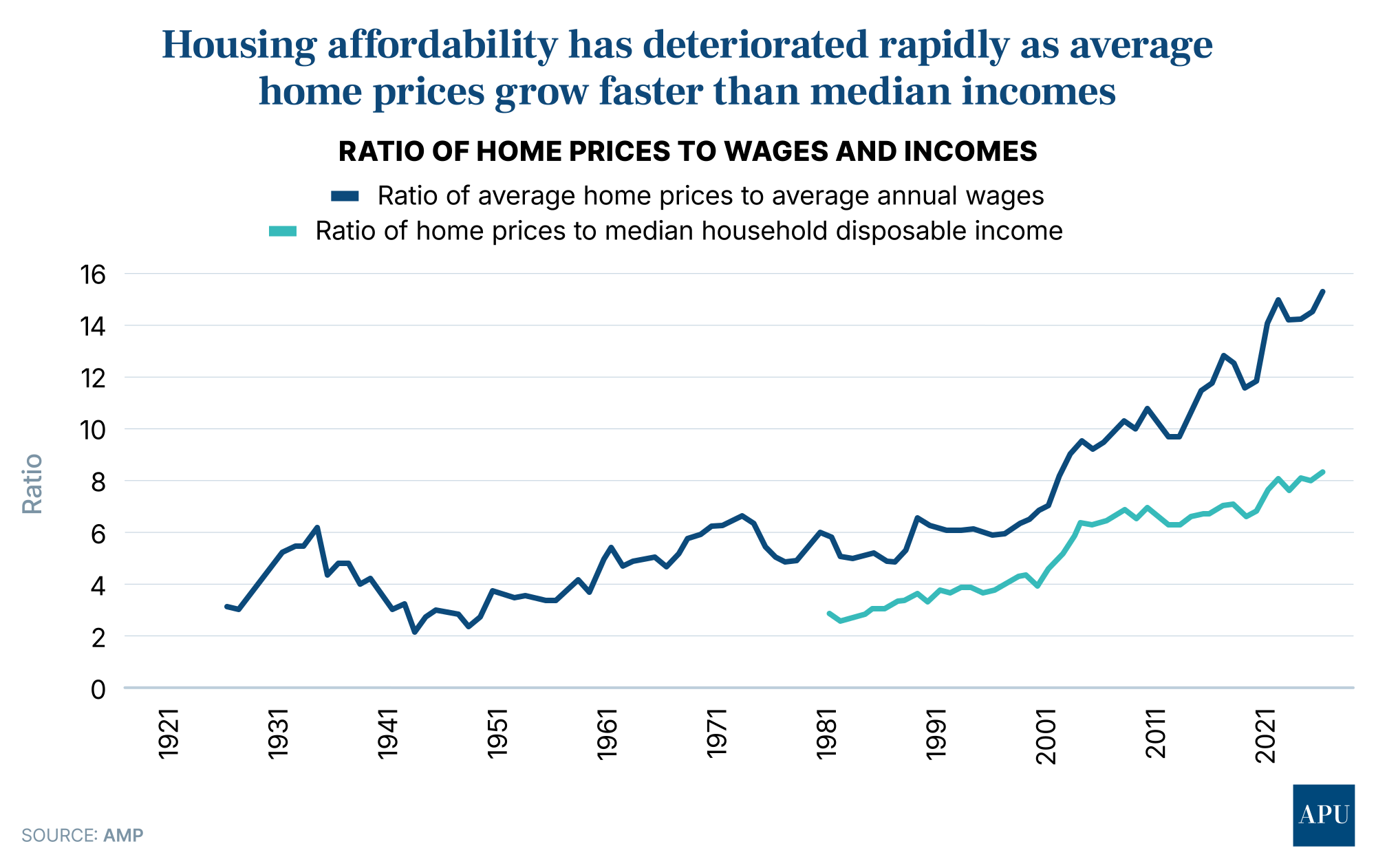
With median prices rising about $70,000 since January 2025, affordability gains have been completely swamped.
Demand-side policies have amplified the effect.
These “add to demand by bringing forward purchases and adding to how much a buyer can pay,” he says, referring to the FHG and Help to Buy schemes.
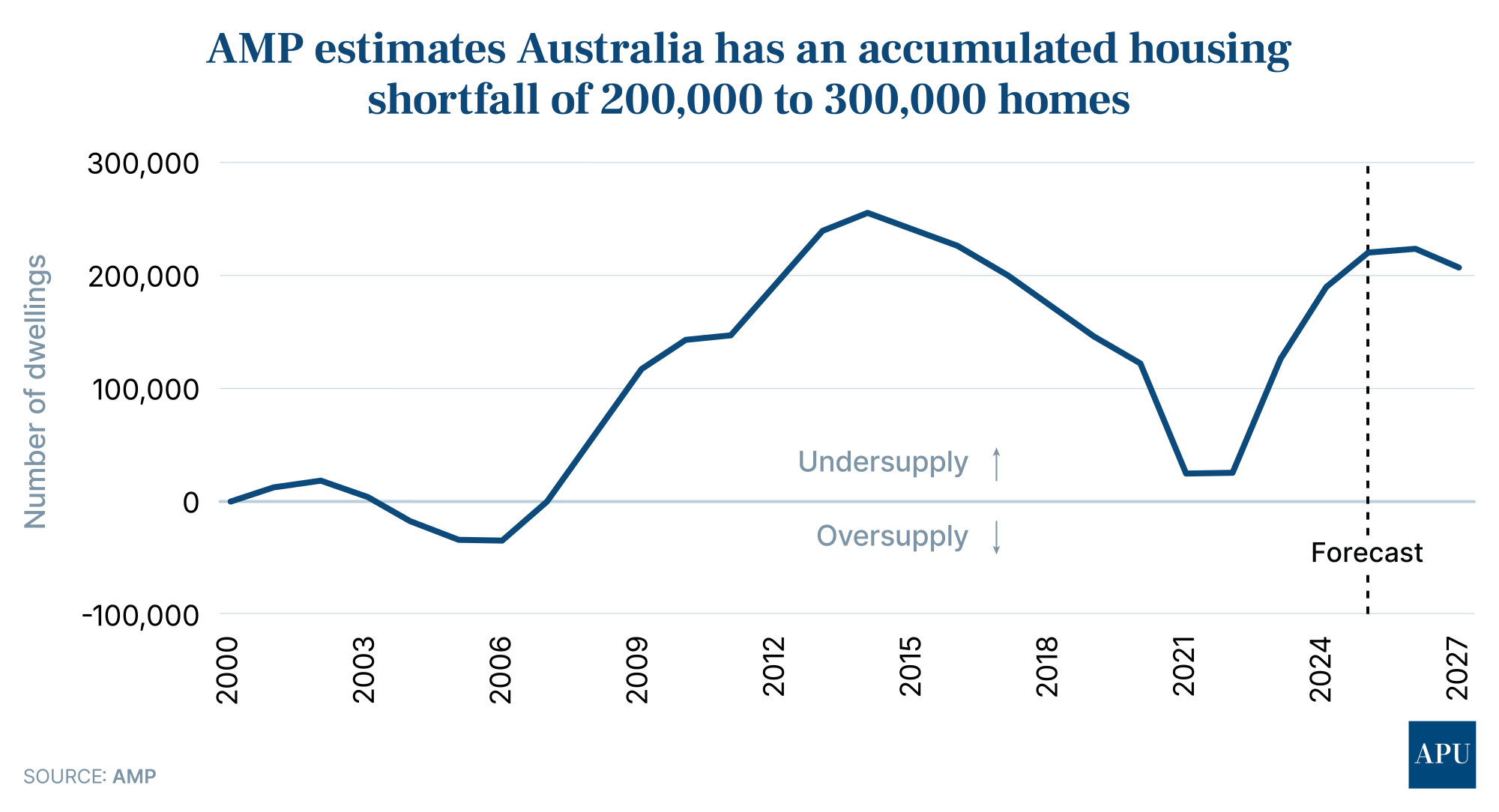
AMP estimates Australia has an accumulated housing shortfall of 200,000 to 300,000 dwellings after years of under-building - a structural deficit that continues to amplify upward price pressure.
Listings for sale remain below average, with distressed selling pressure easing as lower rates give stretched households more breathing room.
“These considerations have clearly more than offset the impact of poor affordability,” AMP’s Shane Oliver says.
A widening divide between booming and slowing cities
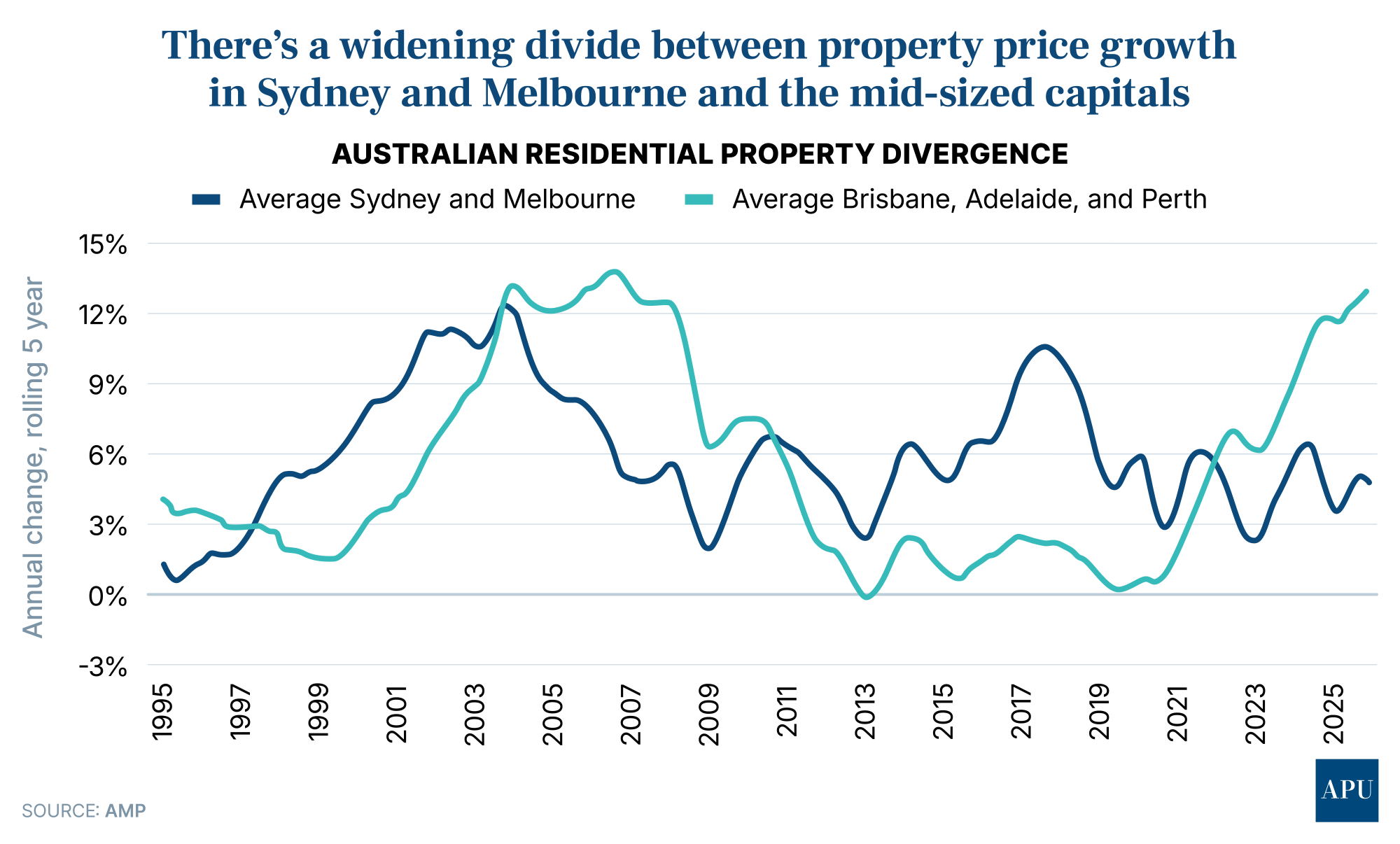
While prices rose in every capital city in 2025, momentum is diverging sharply.
A new surge has developed in Darwin, Perth, Brisbane and Adelaide, while price growth in Sydney and Melbourne is slowing.
“Poor affordability is likely biting in Sydney along with less negative listings and stronger supply and the malaise around Victoria is likely impacting Melbourne,” Dr Oliver says.
Auction clearance rates in Sydney and Melbourne have cooled from their August highs - seasonal factors could be part of the story, but Dr Oliver says it could also “be a sign of things to come as affordability starts to bite again.”
“With FOMO running hot in the boom time cities of Brisbane, Perth and Adelaide, they are likely to remain the strongest over the next six months,” Dr Oliver says.
But as their affordability deteriorates, he expects “some sort of rotation back to the laggards, including Melbourne and possibly Sydney.”
Hobart, Darwin and Canberra “already appear to be picking up pace.”
The outlook
AMP expects national home prices to slow to 5–7% in 2026.
Dr Oliver warns that the RBA appears close to the bottom of the rate cycle, with the next move possibly up, rather than down.
“Talk that the next move in rates will be up… may act as a dampener on buyer demand.”
On the regulatory front, APRA has begun tightening macro-prudential controls, including a cap on high debt-to-income lending.
“If it doesn’t work,” Dr Oliver says, “APRA is likely to do more.”
Affordability, meanwhile, is worse than ever, with price-to-income ratios at record levels.
Even population growth, one of the strongest forces behind the boom, may contribute less going forward, though Dr Oliver notes recent arrivals data “questions how much population growth is really slowing down.”
AMP notes there are three variables that could derail its 2026 outlook:
- Interest rates: Shane Oliver says “a return to rate hikes… could result in a resumption of property price falls.”
- Unemployment: Dr Oliver points out a sharply rising jobless rate could rapidly cool demand and
- Population growth: The AMP Chief Economist says a sharper-than-expected slowdown would ease structural pressure in the housing market.
But conversely, faster-than-expected rate cuts or stronger population growth could reignite upside momentum.





.jpg?width=1920&height=1080&name=WTF%20Is%20Happening%20To%20The%20Housing%20Market!%20$500%20Billion%20Wiped%20Out%20As%20Prices%20Fall%20Faster%20Every%20Month%20Scott%20Kuru%20YPU%20027%20(1).jpg)
%20Scott%20Kuru%20YPU%20025.jpg?width=1920&height=1080&name=This%20Is%20Worse%20Than%20A%20Recession%20RBA%20Admits%20Australias%20Wage%20Collapse%20Cant%20Be%20Stopped%20(Prepare%20Now)%20Scott%20Kuru%20YPU%20025.jpg)




















.jpg?width=1920&height=1080&name=EXPOSED%20How%20The%20Govt%20Let%20These%20Oil%20Giants%20Get%20Away%20With%20Paying%20Zero%20Tax%20For%20Aussie%20Gas%20Scott%20Kuru%20DPU%20256%20(1).jpg)





%20Scott%20Kuru%20DPU%20248.jpg?width=1920&height=1080&name=Major%20Banks%20CAUGHT%20Preparing%20For%20Australia%E2%80%99s%20Biggest%20Housing%20Crash%20(Defaults%20%26%20Bankruptcies%20Coming)%20Scott%20Kuru%20DPU%20248.jpg)
%20Scott%20Kuru%20DPU%20247.jpg?width=1920&height=1080&name=This%20Is%20How%20Australia%20Gets%20Pushed%20Into%20the%20Next%20Big%20Reset%20(Trust%20Collapse%20Has%20Officially%20Begun)%20Scott%20Kuru%20DPU%20247.jpg)







%20Scott%20Kuru%20DPU%20239.jpg?width=1920&height=1080&name=URGENT%20Life%20In%20Australia%20Has%20Become%20Impossible%20For%20Millions%20Of%20Aussies%20(It%E2%80%99s%20About%20To%20Get%20Worse)%20Scott%20Kuru%20DPU%20239.jpg)








%20Scott%20Kuru%20DPU%20227.jpg?width=1920&height=1080&name=URGENT%20ALERT%20Australia%E2%80%99s%20Property%20Market%20Is%20Sliding%20Into%20Something%20Much%20Bigger%20(Prepare%20Now)%20Scott%20Kuru%20DPU%20227.jpg)





%20Scott%20Kuru%20DPU%20221.jpg?width=1920&height=1080&name=The%20AI%20Situation%20in%20Australia%20Just%20Hit%20a%20Point%20of%20No%20Return...%20(Major%20Bank%20Proves%20It)%20Scott%20Kuru%20DPU%20221.jpg)