









.png?width=292&height=292&name=Copy%20Link%20(1).png)

 SIGN UP FOR FREE NEWSLETTER
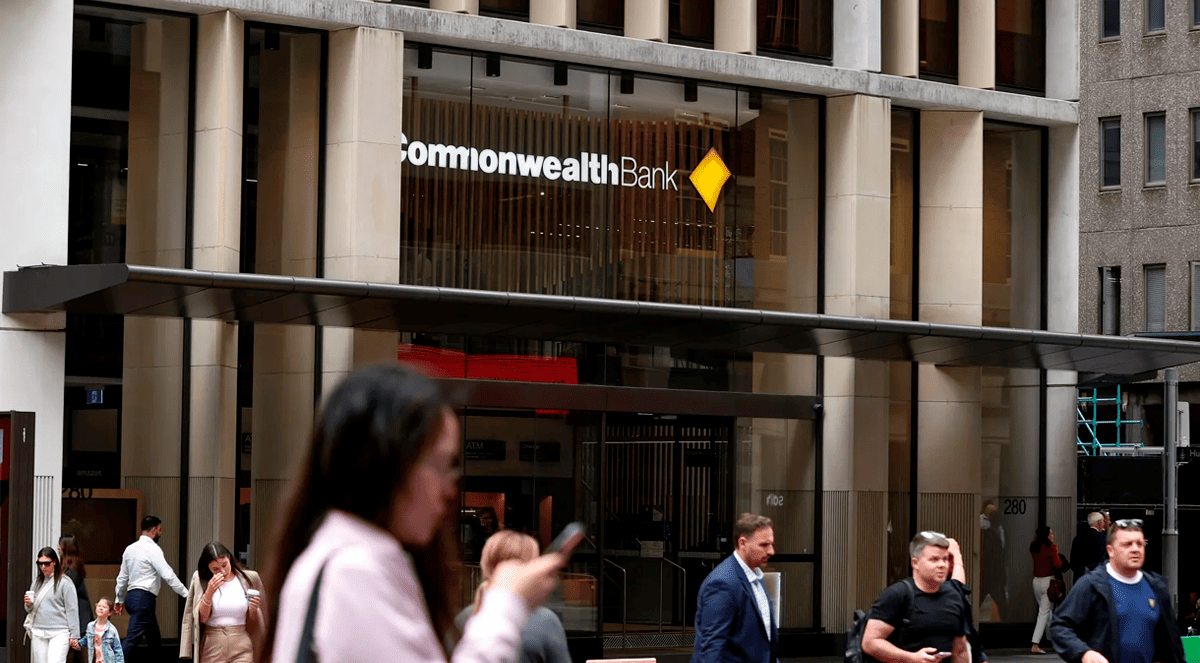
Image by Brendon Thorne/Bloomberg
Australia’s largest home lender has dramatically downgraded its housing market outlook, warning that a combination of rising interest rates, deteriorating sentiment and the Federal Government’s property tax changes will hit home prices harder than previously expected.
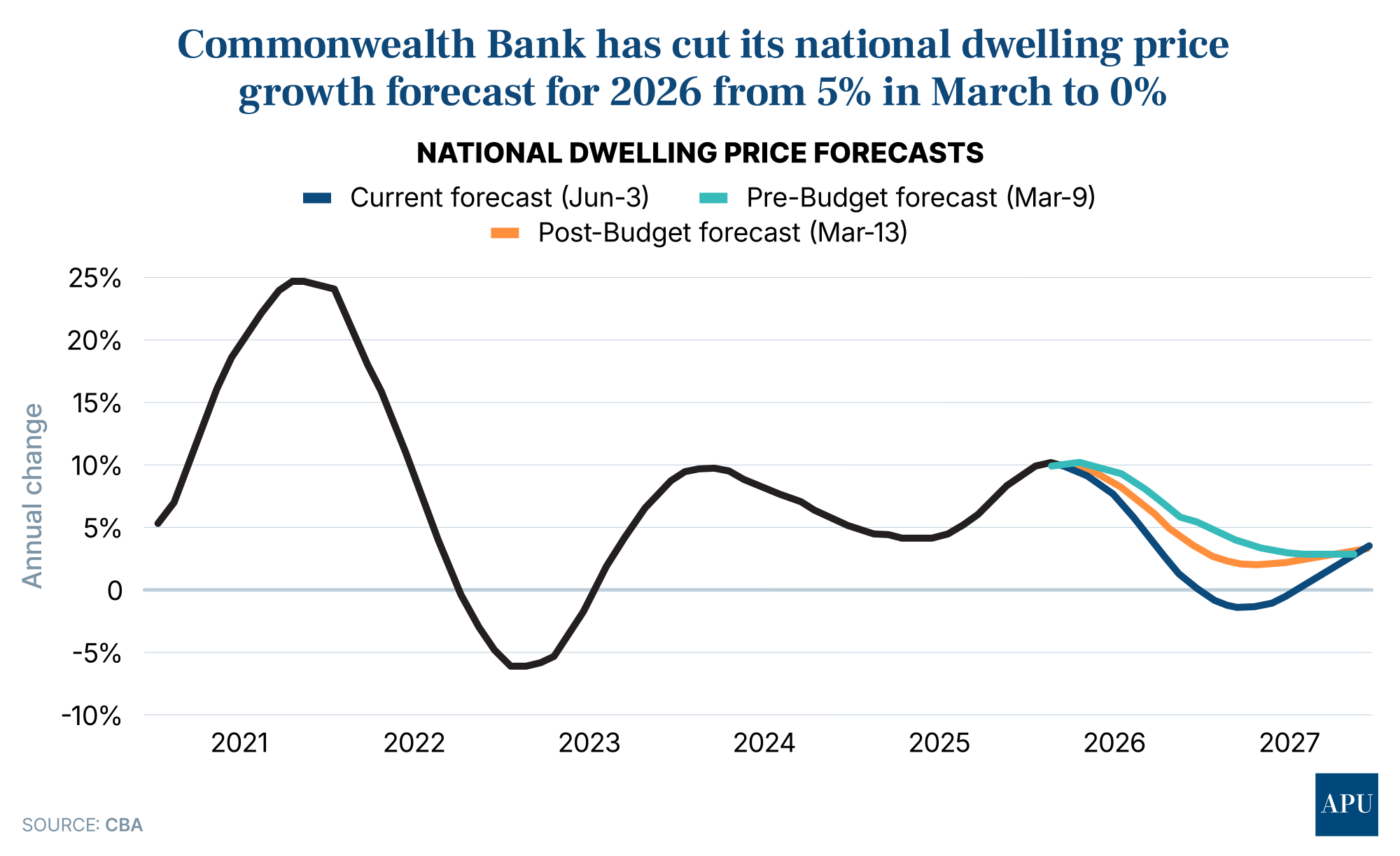
In a major reassessment of the housing market, Commonwealth Bank now expects national dwelling prices to be flat through 2026.
That’s down sharply from its forecast of 3% growth issued immediately after the Federal Budget and 5% growth forecast earlier this year.
The bank says housing market conditions have deteriorated rapidly in recent weeks, with buyer sentiment weakening, auction clearance rates falling and housing demand losing momentum.
“Sentiment is once again playing a key role in driving housing market outcomes, with softer conditions becoming increasingly evident in recent weeks,” CBA senior economists, Trent Saunders and Ashwin Clarke, say in a new economic update.
The details
CBA’s housing forecast downgrade comes only weeks after the Albanese Government unveiled sweeping changes to negative gearing and capital gains tax concessions, aimed at shifting investor demand away from established housing and towards new construction.
While Australia’s largest bank continues to believe the long-run impact of the tax changes will be modest relative to other factors affecting the housing market, like interest rates and supply, it now expects the reforms to have a much larger short-term impact than it previously anticipated.
“We now expect dwelling prices to eventually settle just under 5% below where they otherwise would have been in response to the changes to negative gearing and CGT for housing,” the economists say.
That represents a significant revision from the bank’s previous estimate that prices would settle around 3% below their previous trajectory.
The change reflects CBA’s view that many investors are unlikely to place much value on the Government’s decision to allow future rental losses on existing property to be carried forward and offset against future rental income or capital gains.
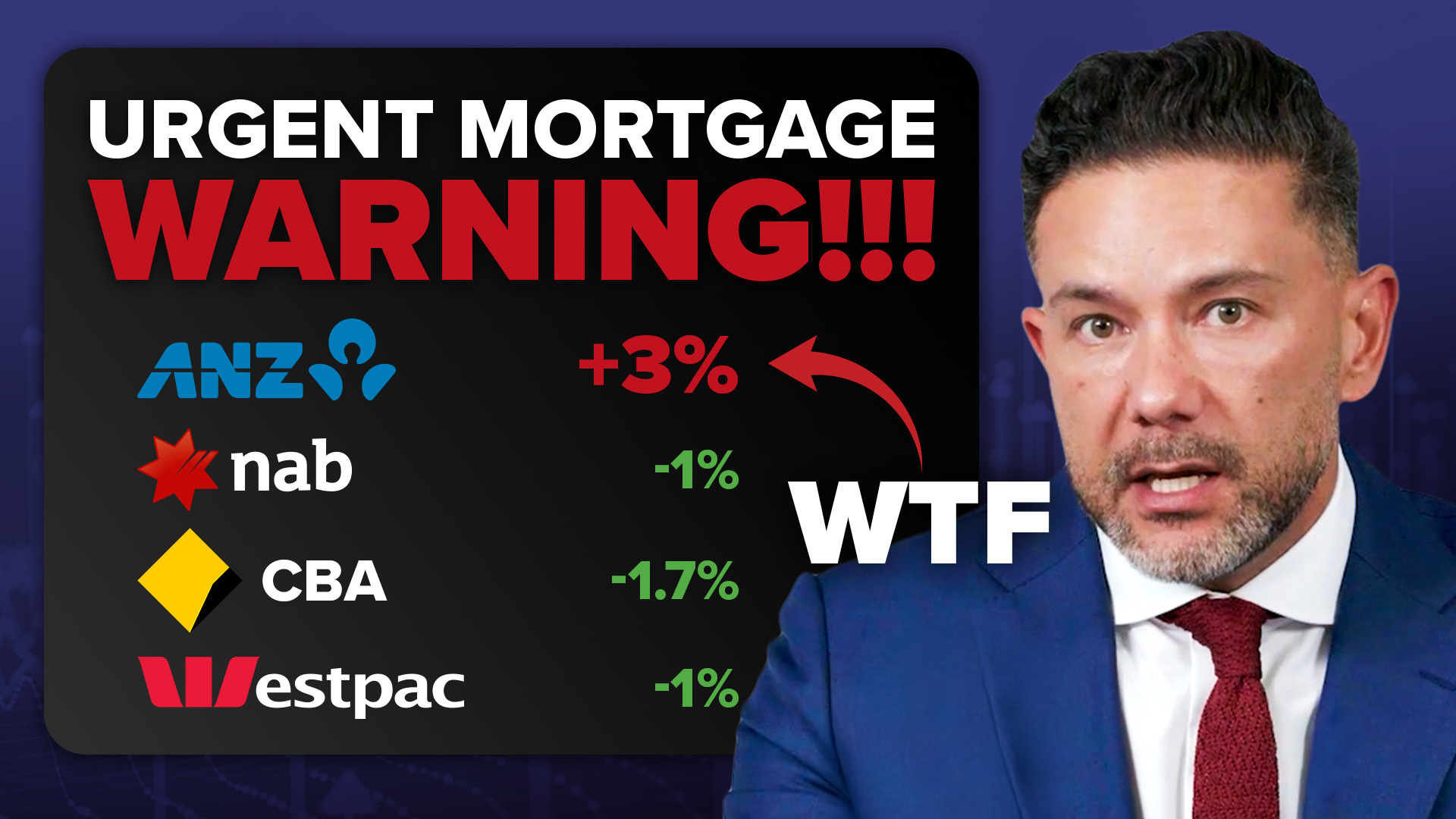
“Weaker sentiment, together with three interest rate hikes in quick succession and challenges around housing affordability, place additional risk to the near-term outlook for home prices,” the economic note says.
CBA says the housing market was already slowing before the Budget, but conditions appear to have deteriorated further since the tax changes were announced.
Auction clearance rates have continued to decline, median time on market has increased and price growth has slowed across most major markets.
CBA says the modest price gains already recorded this year may disappear.
“National home prices had already increased by around 2% over the year to date, so our forecast implies these gains will be unwound over the remainder of the year,” the economists say.
Under the bank’s revised forecasts:
- National dwelling prices are expected to be unchanged through 2026 before rising 3% in 2027.
- Sydney prices are forecast to fall 6% this year before rebounding 3% in 2027.
- Melbourne is expected to record a 7% decline in 2026 before recovering 3% next year.
- Brisbane and Perth remain the strongest markets, with forecast growth of 8% and 12% respectively in 2026.
- Adelaide is expected to rise 6%, while Hobart is forecast to gain 4%.
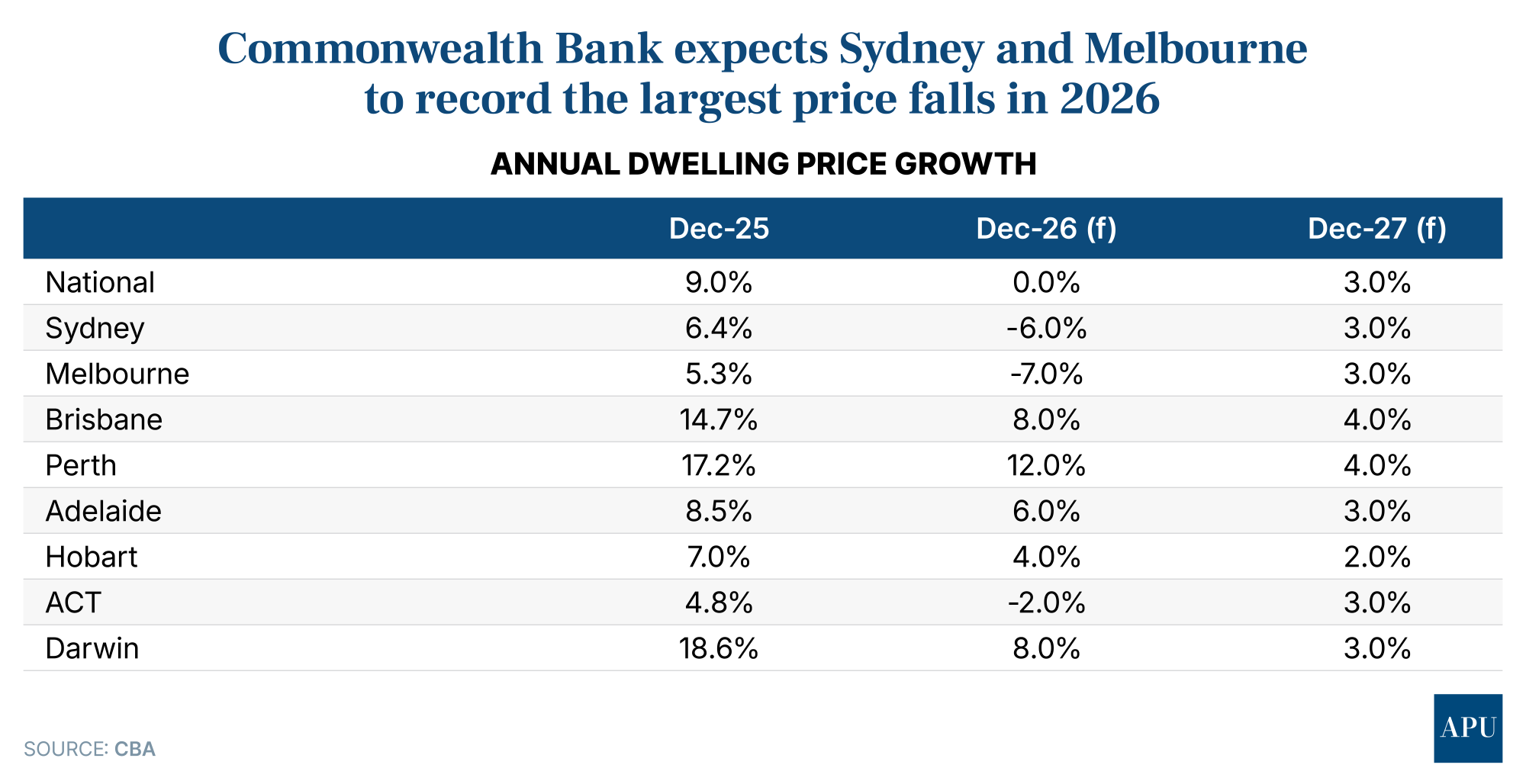
The bank argues Sydney and Melbourne are particularly exposed because they do not have the same degree of housing undersupply that currently supports markets such as Perth, Brisbane and Adelaide.
“Population growth has been softer relative to new dwelling supply in NSW and Victoria, and prices were already declining before the Budget,” Trent Saunders and Ashwin Clarke’s report says.
Investor lending
One of their more significant findings is the expected impact on investor borrowing.
CBA forecasts investor lending activity will fall sharply as the removal of negative gearing for established properties reduces both investor demand and borrowing capacity.
“We expect investor lending to halve over 2026 compared to Q4 25,” the report says.
The bank identifies three key reasons:
- Lower after-tax investment returns.
- Reduced borrowing capacity as lenders stop factoring in immediate negative gearing benefits.
- Investors are delaying purchases while they assess the new tax landscape.
The impact is expected to be most severe in Sydney because of its combination of high prices and low rental yields.
CBA estimates the removal of negative gearing is roughly equivalent to increasing investor mortgage rates by between 135 and 165 basis points for a typical Sydney investor when measured in immediate cash-flow terms.

The outlook
Despite the weaker short-term outlook for housing prices, Commonwealth Bank does not expect a prolonged downturn.
Instead, the bank believes lower prices, easing borrowing constraints and eventual interest rate cuts should help stabilise the market in 2027.
“A key support is our expectation that the RBA will start easing monetary policy in 2027, with cash rate cuts expected in May and August 2027,” the economists say.
The bank also expects strong first-home buyer demand, ongoing housing undersupply and improving rental yields to eventually bring investors back into the market.
Importantly, CBA still views the overall impact on rents as relatively modest and believes the broader package of Federal Budget housing measures could eventually provide a small net boost to supply if governments successfully implement plans to boost infrastructure and overhaul planning systems.
The take-out
Commonwealth Bank’s latest housing forecasts represent one of the sharpest downgrades from a major Australian bank since the Federal Budget was handed down, although other financial institutions like AMP and Morgan Stanley have predicted price falls of up to 5% and up to 10% respectively.
While CBA stops well short of predicting a housing “crash”, it is now warning that the combination of higher interest rates, stretched affordability, weaker sentiment and the Government’s tax overhaul is likely to deliver a much softer housing market this year.


%20Scott%20Kuru%20DPU%20218.jpg?width=1920&height=1080&name=URGENT%20Australia%E2%80%99s%20Diesel%20Supply%20Is%20Far%20Worse%20Than%20People%20Realise%20(Major%20Bank%20Warns)%20Scott%20Kuru%20DPU%20218.jpg)

%20Scott%20Kuru%20DPU%20216.jpg?width=1920&height=1080&name=This%20Is%20How%20Recessions%20Start%20Aussies%20Are%20Shutting%20Their%20Wallets%20(Prepare%20Now)%20Scott%20Kuru%20DPU%20216.jpg)


%20Scott%20Kuru%20DPU%20213.jpg?width=1920&height=1080&name=BREAKING%20Australia%E2%80%99s%20Govt%20Just%20Got%20Caught%20(The%2047%25%20%E2%80%9CPartner%E2%80%9D%20Tax%20Grab)%20Scott%20Kuru%20DPU%20213.jpg)








%20Scott%20Kuru%20DPU%20203.jpg.jpg?width=1920&height=1080&name=Australia%E2%80%99s%20Housing%20Crisis%20Just%20Flipped%20Again%20(BIGGEST%20MARKET%20CRASH%20COMING)%20Scott%20Kuru%20DPU%20203.jpg.jpg)


%20Scott%20Kuru%20DPU%20200.jpg?width=1920&height=1080&name=The%20Govt%E2%80%99s%20Biggest%20Money%20Grab%20The%20Average%20Aussie%20Is%20Getting%20Crushed%20(And%20It%E2%80%99s%20Getting%20Worse)%20Scott%20Kuru%20DPU%20200.jpg)

%20Scott%20Kuru%20DPU%20198.jpg?width=1920&height=1080&name=Farmers%20Panic%20as%20Fuel%20Crisis%20Takes%20Over%20Australia%E2%80%99s%20Fertiliser%20Supply%20(Food%20Shock%20Has%20Begun)%20Scott%20Kuru%20DPU%20198.jpg)
%20Scott%20Kuru%20DPU%20197.jpg?width=1920&height=1080&name=URGENT%20Australia%E2%80%99s%20Property%20Market%20Is%20One%20Rate%20Hike%20Away%20From%20Snapping%20(This%20Is%20How%20It%20Starts)%20Scott%20Kuru%20DPU%20197.jpg)

%20Scott%20Kuru%20DPU%20195.jpg?width=1920&height=1080&name=The%20Biggest%20$83Bn%20Housing%20Scam%20Just%20Got%20Exposed%20(They%E2%80%99re%20Addicted%20to%20Taxing%20the%20Everyday%20Aussie)%20Scott%20Kuru%20DPU%20195.jpg)


%20Scott%20Kuru%20DPU%20192.jpg?width=1920&height=1080&name=The%20Middle%20Class%20Is%20Getting%20Wiped%20Out%20of%20Housing%20(Even%20When%20They%20Do%20Everything%20Right)%20Scott%20Kuru%20DPU%20192.jpg)







%20Scott%20Kuru%20DPU%20184.jpg?width=1920&height=1080&name=The%20Biggest%20Construction%20Collapse%20In%20Australian%20History%20Just%20Got%20Worse%20(300%2c000%20Homes%20Scrapped)%20Scott%20Kuru%20DPU%20184.jpg)
%20Scott%20Kuru%20DPU%20183.jpg?width=1920&height=1080&name=Australia%20To%20Declare%20Oil%20Emergency%20As%20US%20Cuts%20Off%20Oil%20Supply%20To%20Singapore%20(Oil%20Deal%20Under%20Threat)%20Scott%20Kuru%20DPU%20183.jpg)







.jpg?width=1920&height=1080&name=BREAKING%20The%20Govt%20Just%20Got%20Caught%20Red-Handed%20Manipulating%20Inflation%20-%20%20What%20They%E2%80%99re%20Not%20Telling%20You%20Scott%20Kuru%20DPU%20174%20(1).jpg)


%20Scott%20Kuru%20DPU%20%20171.jpg?width=1920&height=1080&name=BREAKING%20Something%20Big%20Just%20Flipped%20Australia%E2%80%99s%20Housing%20Market%20Outlook%20(No%20One%20Saw%20It%20Coming)%20Scott%20Kuru%20DPU%20%20171.jpg)
%20Scott%20Kuru%20DPU%20170.jpg?width=1920&height=1080&name=BREAKING%20Did%20Australia%20Just%20Sign%20the%20Worst%20Trade%20Deal%20with%20Europe%20(Ripped%20Off%20by%20$10B)%20Scott%20Kuru%20DPU%20170.jpg)
%20Scott%20Kuru%20DPU%20%20169.jpg?width=1920&height=1080&name=Australia%E2%80%99s%20Biggest%20NDIS%20Scam%20Uncovered%E2%80%94%20Over%20$50B%20of%20Taxpayer%20Money%20Stolen%20(Inquiry%20Launched)%20Scott%20Kuru%20DPU%20%20169.jpg)


%20Scott%20Kuru%20DPU%20160.jpg?width=1920&height=1080&name=FINAL%20WARNING%20Westpac%20Just%20Dropped%20a%20Brutal%20Housing%20Bombshell%20(Australia%20Won%E2%80%99t%20Be%20Ready)%20Scott%20Kuru%20DPU%20160.jpg)

%20Scott%20Kuru%20DPU%20158.jpg?width=1920&height=1080&name=JUST%20IN%20Australia%E2%80%99s%20Builder%20Collapse%20Has%20Officially%20Begun%20(Millions%20Will%20Pay%20The%20Price%20in%202026)%20Scott%20Kuru%20DPU%20158.jpg)
%20Scott%20Kuru%20DPU%20157.jpg?width=1920&height=1080&name=JUST%20IN%20Something%20Major%20Just%20Flipped%20Australia%E2%80%99s%20Property%20Market%20for%202026%20(No%20One%20Has%20Noticed%20Yet)%20Scott%20Kuru%20DPU%20157.jpg)
%20Scott%20Kuru%20DPU%20156.jpg?width=1920&height=1080&name=BREAKING%20Do%20China%20and%20Japan%20Now%20Own%20Most%20of%20Australia%E2%80%99s%20Property%20Market%20(New%20Data%20Out)%20Scott%20Kuru%20DPU%20156.jpg)
%20Scott%20Kuru%20DPU%20154.jpg?width=1920&height=1080&name=WARNING%20Australia%E2%80%99s%20Cost%20of%20Living%20Crisis%20Has%20Reached%20a%20Breaking%20Point%20(Millions%20Will%20Be%20Homeless)%20Scott%20Kuru%20DPU%20154.jpg)
%20Scott%20Kuru%20DPU%20153.jpg?width=1920&height=1080&name=Senate%20Inquiry%20Exposes%20Australia%E2%80%99s%20Oil%20Crisis%20Far%20Worse%20Than%20Expected%20($50%20Billion%20Lost)%20Scott%20Kuru%20DPU%20153.jpg)


%20Scott%20Kuru%20DPU%20150.jpg?width=1920&height=1080&name=BREAKING%20Senate%20Hearing%20Proves%20They%20Deliberately%20Inflated%20House%20Prices%20(This%20Wasnt%20an%20Accident)%20Scott%20Kuru%20DPU%20150.jpg)
.jpg?width=1920&height=1080&name=WARNING%20Australia%E2%80%99s%20High%20Debt%20Levels%20Could%20Collapse%20the%20Economy%20-%20Are%20We%20Headed%20for%20Bankruptcy%20Scott%20Kuru%20DPU%20149%20(1).jpg)
%20Scott%20Kuru%20DPU%20148.jpg?width=1920&height=1080&name=Australia%20Is%20on%20the%20Brink%20of%20History%E2%80%99s%20Worst%20Mortgage%20Default%20Crisis%20(Housing%20Crash%20Inevitable)%20Scott%20Kuru%20DPU%20148.jpg)
%20Scott%20Kuru%20DPU%20147.jpg?width=1920&height=1080&name=RBA%20Warns%20Inflation%20Has%20Pushed%20Australia%20Into%20Household%20Recession%20(Millions%20Face%20Pay%20Cuts%20in%202026)%20Scott%20Kuru%20DPU%20147.jpg)
%20Scott%20Kuru%20DPU%20145.jpg?width=1920&height=1080&name=Senate%20Inquiry%20Forced%20the%20RBA%20to%20Admit%20the%20Housing%20Crisis%20Will%20Never%20Be%20Fixed%20(It%20Was%20All%20a%20Lie)%20Scott%20Kuru%20DPU%20145.jpg)


%20Scott%20Kuru%20DPU%20141.jpg?width=1920&height=1080&name=The%20Senate%20Just%20Exposed%20Australias%20Biggest%20$80%20Billion%20Housing%20Fraud%20(Inquiry%20Launched)%20Scott%20Kuru%20DPU%20141.jpg)




%20Scott%20Kuru%20DPU136.jpg?width=1920&height=1080&name=Aussies%20Just%20Got%20Hit%20With%20Double%20Taxes%20on%20Everything%20(This%20Has%20Gone%20Too%20Far)%20Scott%20Kuru%20DPU136.jpg)


%20Scott%20Kuru%20DPU%20133.jpg?width=1920&height=1080&name=JUST%20IN%20Something%20Major%20Just%20Flipped%20Australia%E2%80%99s%20Property%20Market%20for%202026%20(No%20One%20Saw%20This%20Coming)%20Scott%20Kuru%20DPU%20133.jpg)


.jpg?width=1920&height=1080&name=Rental%20Prices%20At%20Record%20Highs%20And%20Vacancy%20Rates%20At%20All%20Time%20Lows%20(New%20Data%20Reveals).jpg)
%20%20DPU%20EP%2014.jpg?width=1920&height=1080&name=Investors%20Shutting%20Out%20First%20Home%20Buyers%20(Investors%20At%20Record%20Highs)%20%20DPU%20EP%2014.jpg)
.jpg?width=1920&height=1080&name=Darwins%20Property%20Market%20Boom%20or%20Dangerous%20Gamble%20(REVEALED).jpg)
.jpg?width=1920&height=1080&name=The%20RBA%E2%80%99s%20Rate%20Cut%20Could%20Explode%20House%20Prices%20(Here%E2%80%99s%20Why).jpg)






.jpg?width=1920&height=1080&name=Warning%2c%20You%20Might%20Be%20Facing%20Higher%20Taxes%20Soon%20(1).jpg)



.png?width=1920&height=1080&name=Rate%20Drops%20Signal%20BIGGEST%20Property%20Boom%20in%20DECADES%20(1).png)

.jpg?width=1920&height=1080&name=Labor%20vs%20Liberal%20These%20Housing%20Policies%20Could%20Change%20the%20Property%20Market%20Forever%20(1).jpg)
.jpg?width=1920&height=1080&name=QLD%20Slashes%20Stamp%20Duty%20Big%20News%20for%20Investors%20%26%20Home%20Buyers%20(1).jpg)
.jpg?width=1920&height=1080&name=Trump%20Just%20Slapped%20Tariffs%20%E2%80%93%20Here%E2%80%99s%20What%20It%20Means%20for%20Australia%20(1).jpg)
.jpg?width=1920&height=1080&name=Federal%20Budget%202025%20More%20Debt%2c%20No%20Housing%20%E2%80%93%20Here%E2%80%99s%20What%20You%20Need%20to%20Know%20(1).jpg)
.jpg?width=1920&height=1080&name=Australias%20Housing%20Crisis%20is%20about%20to%20get%20MUCH%20Worse%20(New%20Data%20Warns).jpg)
%20(1).jpg?width=1920&height=1080&name=Australias%20RENTAL%20CRISIS%20Hits%20ROCK%20BOTTOM!%20(2025%20Update)%20(1).jpg)
%20(1).png?width=1920&height=1080&name=Is%20Adelaide%20Still%20a%20Good%20Property%20Investment%20(2025%20UPDATE)%20(1).png)
.jpg?width=1920&height=1080&name=RBA%20Shocks%20with%20Rate%20Cuts!%20What%E2%80%99s%20Next%20for%20Property%20Investors%20(1).jpg)
%20(1).jpg?width=1920&height=1080&name=I%20Predict%20The%20Feb%20Rate%20Cut%20(My%20Price%20Growth%20Prediction)%20(1).jpg)
.png?width=1920&height=1080&name=Why%20Property%20Prices%20Will%20Rise%20in%202025%20Market%20Predictions%20(1).png)
.jpg?width=1920&height=1080&name=Why%20Investors%20Are%20Choosing%20Apartments%20Over%20Houses%202%20(1).jpg)
.jpg?width=1920&height=1080&name=Why%20Rate%20Cuts%20Will%20Trigger%20A%20Property%20Boom%20(1).jpg)
.jpg?width=1920&height=1080&name=Retire%20On%202Million%20With%20One%20Property%20(Using%20SMSF).jpg)
.jpg?width=1920&height=1080&name=4%20Reasons%20Why%20You%20Should%20Invest%20in%20Melbourne%20Now%20(1).jpg)
%20(1).jpg?width=1920&height=1080&name=Old%20Property%20vs%20New%20Property%20(Facts%20and%20Figures%20Revealed)%20(1).jpg)
%20(1).jpg?width=1920&height=1080&name=Will%20The%20New%20QLD%20Govt%20Create%20a%20Property%20Boom%20or%20Bust%20(My%20Prediction)%20(1).jpg)
%20Scott%20Kuru%20(1).jpg?width=1920&height=1080&name=Inflation%20Hits%20Three-Year%20Low%20(Will%20RBA%20Cut%20Rates%20Soon)%20Scott%20Kuru%20(1).jpg)