









.png?width=292&height=292&name=Copy%20Link%20(1).png)

 SIGN UP FOR FREE NEWSLETTER
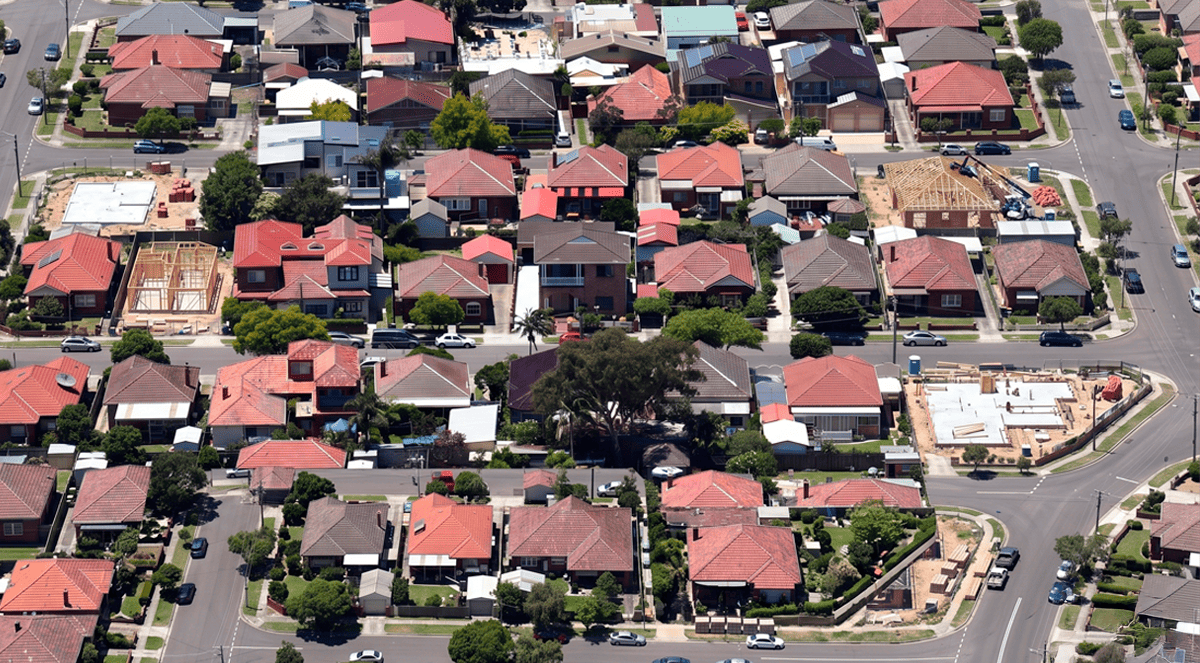
Australia’s housing crisis is often blamed on a lack of supply - not enough homes for too many people.
But new research suggests the real problem runs much deeper, and is getting worse.
A new paper from the Australian Industry Group warns the country’s home building sector is suffering a long-term productivity collapse, leaving it unable to respond even as demand and prices surge.
According to the report’s author, the industry is now caught in a vicious cycle of rising costs, falling efficiency and chronic labour shortages; a combination that is choking off new housing supply and helping to drive up home prices and rents.
The details
The Australian Industry Group is one of the nation’s leading business groups, representing around 60,000 small to medium-sized businesses, particularly in the manufacturing, construction, technology, food and transport sectors.
In a new paper entitled “The slow slide of housing productivity in Australia”, the organisation’s Head of Research and Economics, Dr Jeffrey Wilson, says that despite record demand and soaring prices, Australia is still falling dramatically short of its housing targets - a situation that seems to defy logic and conventional economics.
The housing industry is currently building around 40% fewer homes than needed to meet the national goal of 1.2 million new homes over five years.
“Record level prices and unmet demand are failing to stimulate sufficient activity to build the houses that Australia needs,” Dr Wilson says.
In most industries, high prices naturally trigger more production.
But housing construction appears to be defying that rule.
Dr Wilson says at the heart of the problem is a sharp and sustained decline in productivity, particularly in the construction of freestanding houses.
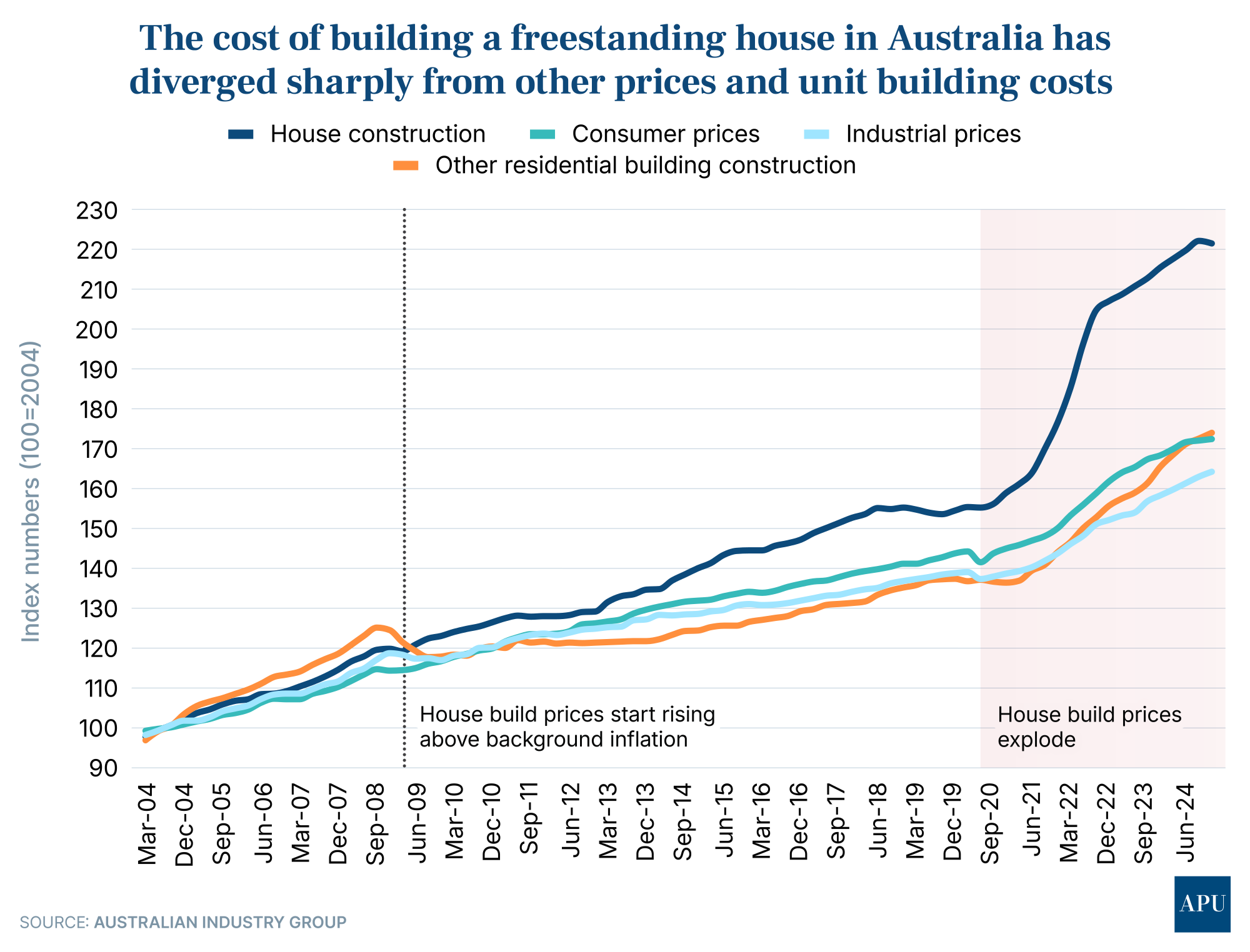
Over the past 20 years, the cost of building a house has more than doubled, rising 121% since 2004.
By comparison, general consumer prices rose 73%, and industrial prices 64% over the same period.
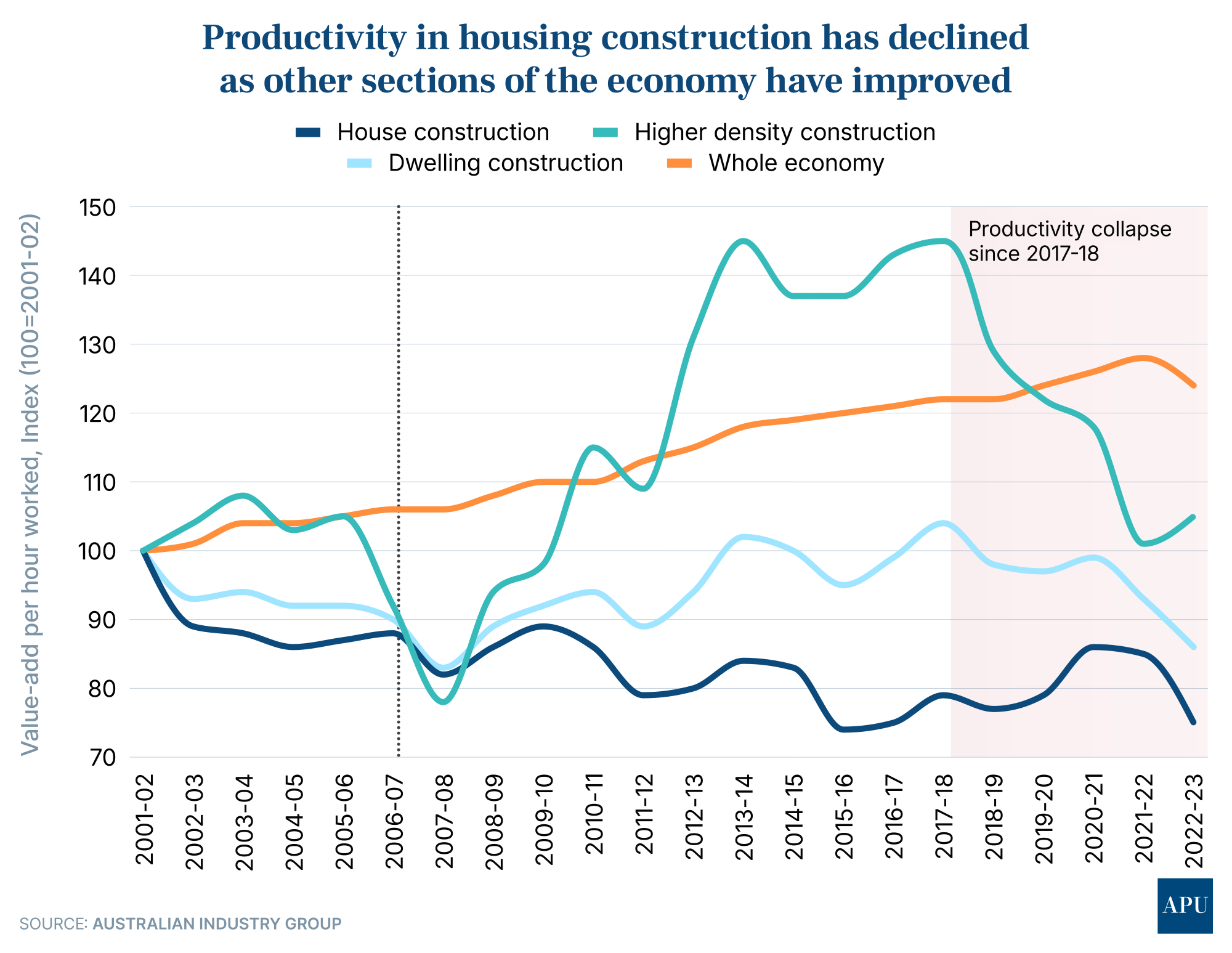
Productivity in house building has also fallen by up to 39% in terms of output.
“Productivity in the sector has faced stagnation, with labour productivity in housing construction slowly going backwards for two decades,” Dr Wilson says.
The data reveals a striking divergence within the sector.
While apartment construction has broadly kept pace with inflation, Dr Wilson argues it’s detached housing that is driving the blowout in costs, pointing to deep structural inefficiencies in how Australian houses are built.
The pandemic only made things worse, with house building costs surging another 43% in just five years.
Ai Group’s Jeffrey Wilson says construction remains one of Australia’s least innovative industries, lagging well behind sectors like manufacturing and wholesale trade.
“The sector remains heavily reliant on traditional, labour-intensive methods limiting productivity growth,” Dr Wilson says.
Only a small share of construction firms invest in new products or processes, well below the national average, leaving the industry slow to adopt new technologies or more efficient building methods.
This reliance on manual processes means more labour is needed to produce each home, driving up costs and stretching an already thin workforce.
The AI Group research paper also highlights the heavy regulatory burden facing builders.
Australia’s building rules - centred around the National Construction Code - now run to more than 2,000 pages, with frequent updates and inconsistent enforcement across states.
While these rules are critical for safety and sustainability, they can also slow projects and discourage innovation.
At the same time, the industry is grappling with severe labour shortages.
Every major construction trade has been identified as being in short supply, with tens of thousands of vacancies across the sector.
“A lack of skilled workers” is now the biggest barrier to innovation for construction firms, according to the data cited in the report.
The result is a compounding problem: fewer workers, used less efficiently, producing fewer homes at higher cost.
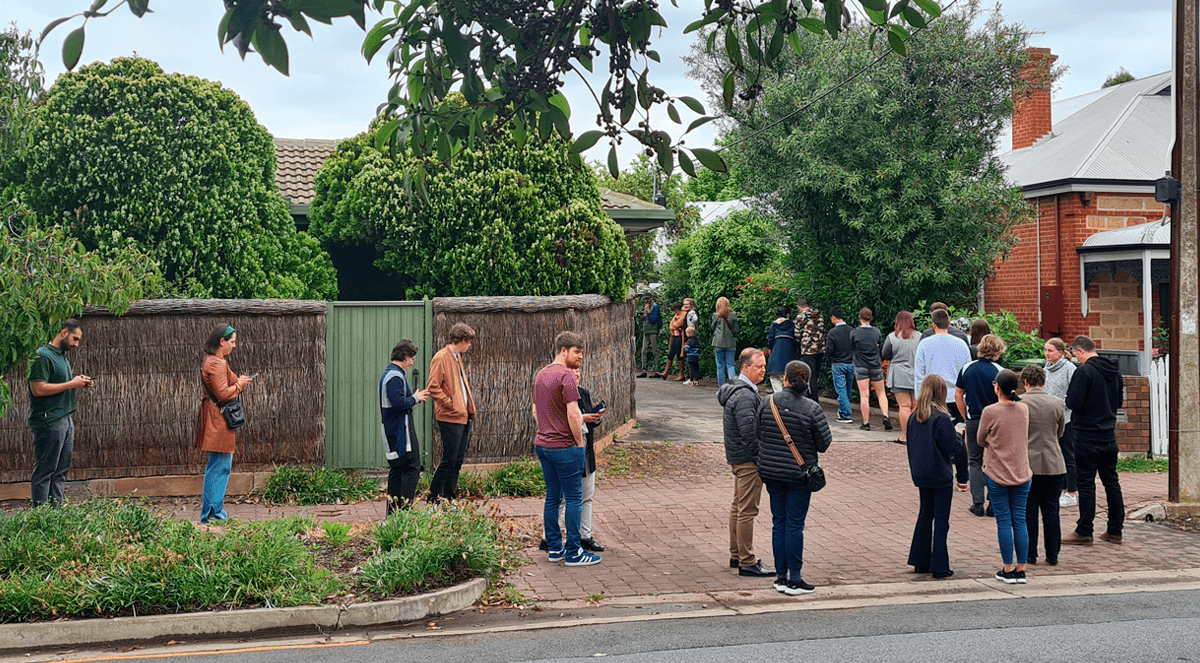
The consequences of this productivity slump extend far beyond the construction sector.
Higher building costs are feeding directly into house prices, worsening affordability and locking more Australians out of the property market.
At the same time, slower construction rates mean supply cannot keep up with population growth.
“Trying to extract more houses from an industry with declining productivity is like filling a bucket with a widening hole,” Dr Wilson says.
The report says that without major reform, Australia has little chance of solving its housing crisis.
Dr Wilson says governments control many of the key levers, including skills, regulation and planning systems, and will need to act to reverse the productivity decline.
“It is only by addressing these underlying industry issues that we can achieve the uplift in house building needed to address the national housing crisis.”
That means striking a balance between maintaining safety and sustainability standards while making it easier for builders to innovate, adopt new technologies and deliver homes more efficiently.







.jpg?width=1920&height=1080&name=WTF%20Is%20Happening%20To%20The%20Housing%20Market!%20$500%20Billion%20Wiped%20Out%20As%20Prices%20Fall%20Faster%20Every%20Month%20Scott%20Kuru%20YPU%20027%20(1).jpg)
%20Scott%20Kuru%20YPU%20025.jpg?width=1920&height=1080&name=This%20Is%20Worse%20Than%20A%20Recession%20RBA%20Admits%20Australias%20Wage%20Collapse%20Cant%20Be%20Stopped%20(Prepare%20Now)%20Scott%20Kuru%20YPU%20025.jpg)



























.jpg?width=1920&height=1080&name=EXPOSED%20How%20The%20Govt%20Let%20These%20Oil%20Giants%20Get%20Away%20With%20Paying%20Zero%20Tax%20For%20Aussie%20Gas%20Scott%20Kuru%20DPU%20256%20(1).jpg)







%20Scott%20Kuru%20DPU%20248.jpg?width=1920&height=1080&name=Major%20Banks%20CAUGHT%20Preparing%20For%20Australia%E2%80%99s%20Biggest%20Housing%20Crash%20(Defaults%20%26%20Bankruptcies%20Coming)%20Scott%20Kuru%20DPU%20248.jpg)
%20Scott%20Kuru%20DPU%20247.jpg?width=1920&height=1080&name=This%20Is%20How%20Australia%20Gets%20Pushed%20Into%20the%20Next%20Big%20Reset%20(Trust%20Collapse%20Has%20Officially%20Begun)%20Scott%20Kuru%20DPU%20247.jpg)







%20Scott%20Kuru%20DPU%20239.jpg?width=1920&height=1080&name=URGENT%20Life%20In%20Australia%20Has%20Become%20Impossible%20For%20Millions%20Of%20Aussies%20(It%E2%80%99s%20About%20To%20Get%20Worse)%20Scott%20Kuru%20DPU%20239.jpg)











%20Scott%20Kuru%20DPU%20227.jpg?width=1920&height=1080&name=URGENT%20ALERT%20Australia%E2%80%99s%20Property%20Market%20Is%20Sliding%20Into%20Something%20Much%20Bigger%20(Prepare%20Now)%20Scott%20Kuru%20DPU%20227.jpg)





%20Scott%20Kuru%20DPU%20221.jpg?width=1920&height=1080&name=The%20AI%20Situation%20in%20Australia%20Just%20Hit%20a%20Point%20of%20No%20Return...%20(Major%20Bank%20Proves%20It)%20Scott%20Kuru%20DPU%20221.jpg)