









.png?width=292&height=292&name=Copy%20Link%20(1).png)

 SIGN UP FOR FREE NEWSLETTER
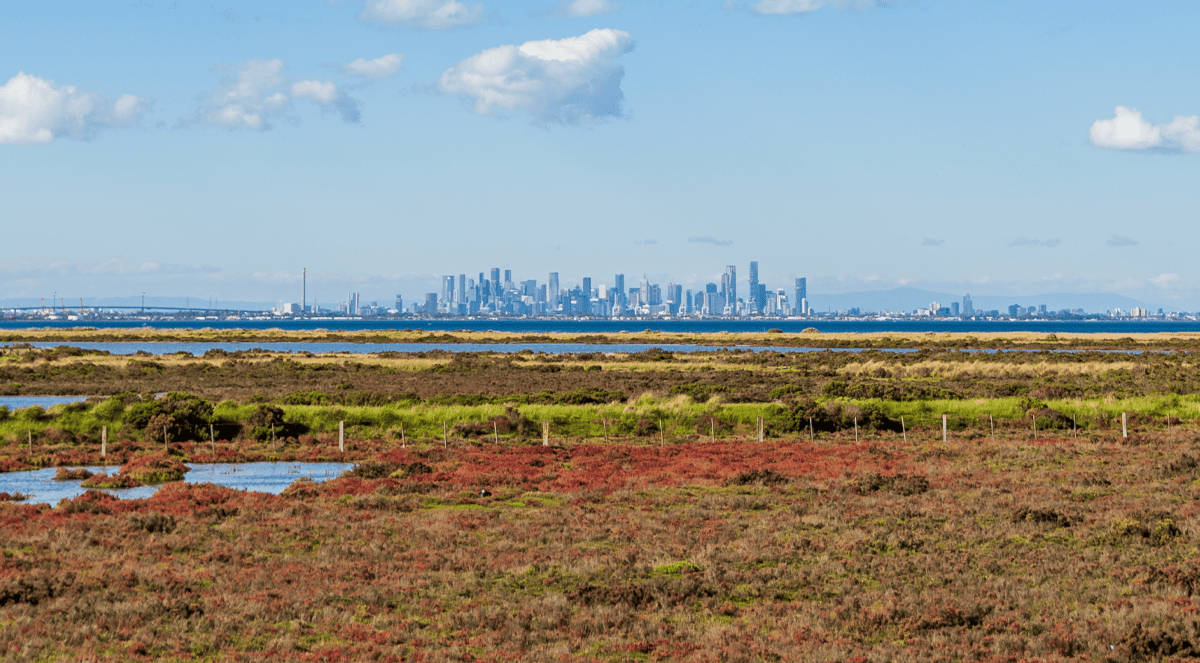
More than 82,000 new homes sites where construction could begin immediately are sitting idle across Australia because basic infrastructure, such as roads and sewerage, has not been built.
That’s the key finding of a recent report that warns the shortfall threatens the Federal Government’s already troubled housing target of building 1.2 million new homes by mid-2029.
The details
Beyond Bricks: Delivering the housing we need sooner in Australia’s Growth Areas, released by the National Growth Areas Alliance (NGAA), finds that chronic underinvestment in fast-growing outer metropolitan council areas has created a major bottleneck in housing supply.
NGAA Chief Executive Bronwen Clark says the problem is not a lack of land, council approvals or developer interest, but rather a failure by governments to fund the essentials needed to turn approved plans into actual new homes.
The NGAA is made up of more than 20 local councils, located primarily in outer-suburban areas of Sydney, Melbourne, Adelaide and Perth.
These include the Cities of Blacktown, Penrith and Campbelltown in Sydney’s west and the fast-growing outer Melbourne LGA’s of Casey, Melton, Hume, Wyndham and Whittlesea.
Councils from WA include the Cities of Armadale, Cockburn, Swan, Kwinana, Gosnells and Wanneroo, while South Australian LGAs are represented by the Playford, Mount Barker and Murray Bridge councils.
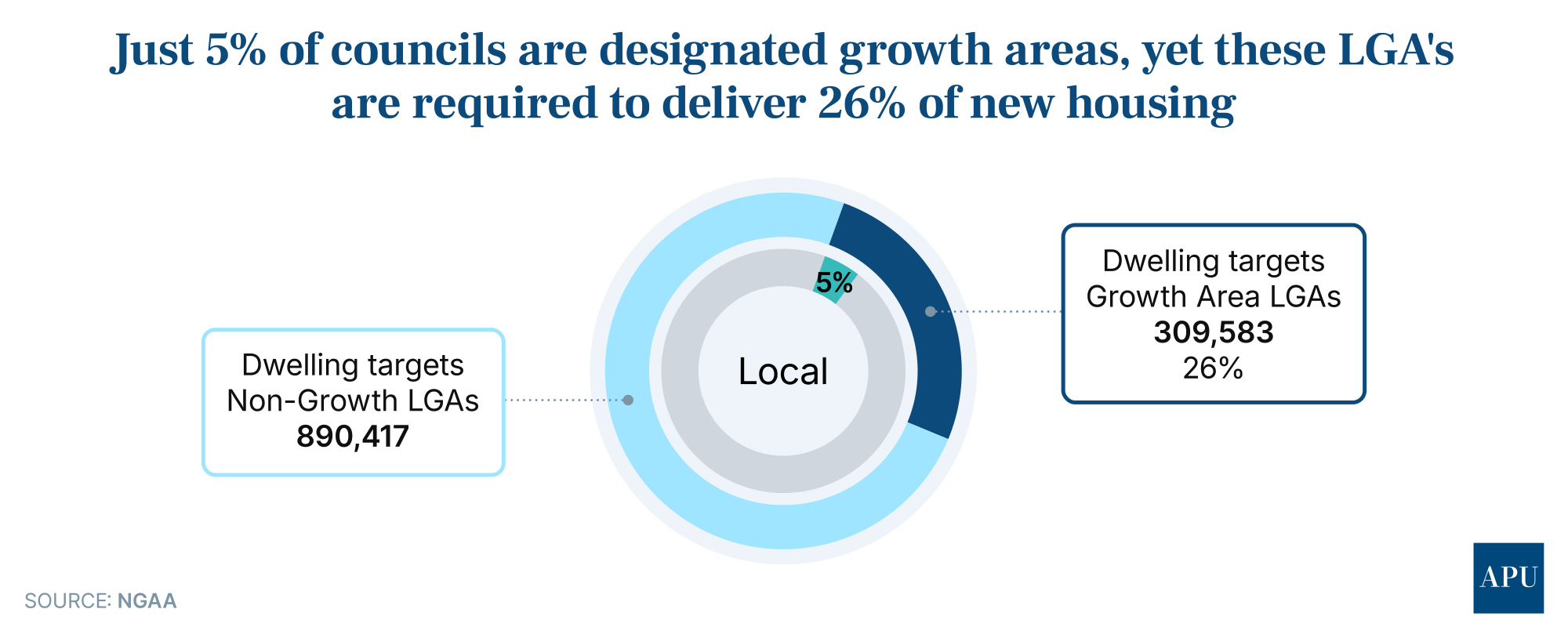
“Growth Areas account for just 5% of councils but are obligated by State Governments to deliver 26% of new housing development,” the NGAA’s Bronwen Clark says.
“That’s 310,000 new houses, over a quarter of the Federal government’s promised 1.2 million new homes by 2029.
“Despite this, Federal and State Governments maintain a relentless focus on apartments and inner-city infill and densification.”
The report estimates that 82,500 dwellings in outer-suburban growth areas are currently unable to commence construction because enabling infrastructure, such as sewerage, roads and utilities, is missing.
“Meanwhile, in Growth Areas, the land is ready, council approvals are complete, and the developers are waiting, but without basics like roads and sewers, the houses go unbuilt,” Ms Clark says.
The findings challenge claims from think-tanks, economists, State governments and some developers that local councils are primarily responsible for delays in housing delivery.
“Blaming all councils for housing delays is an easy way out for State and Federal governments,” Ms Clark says.
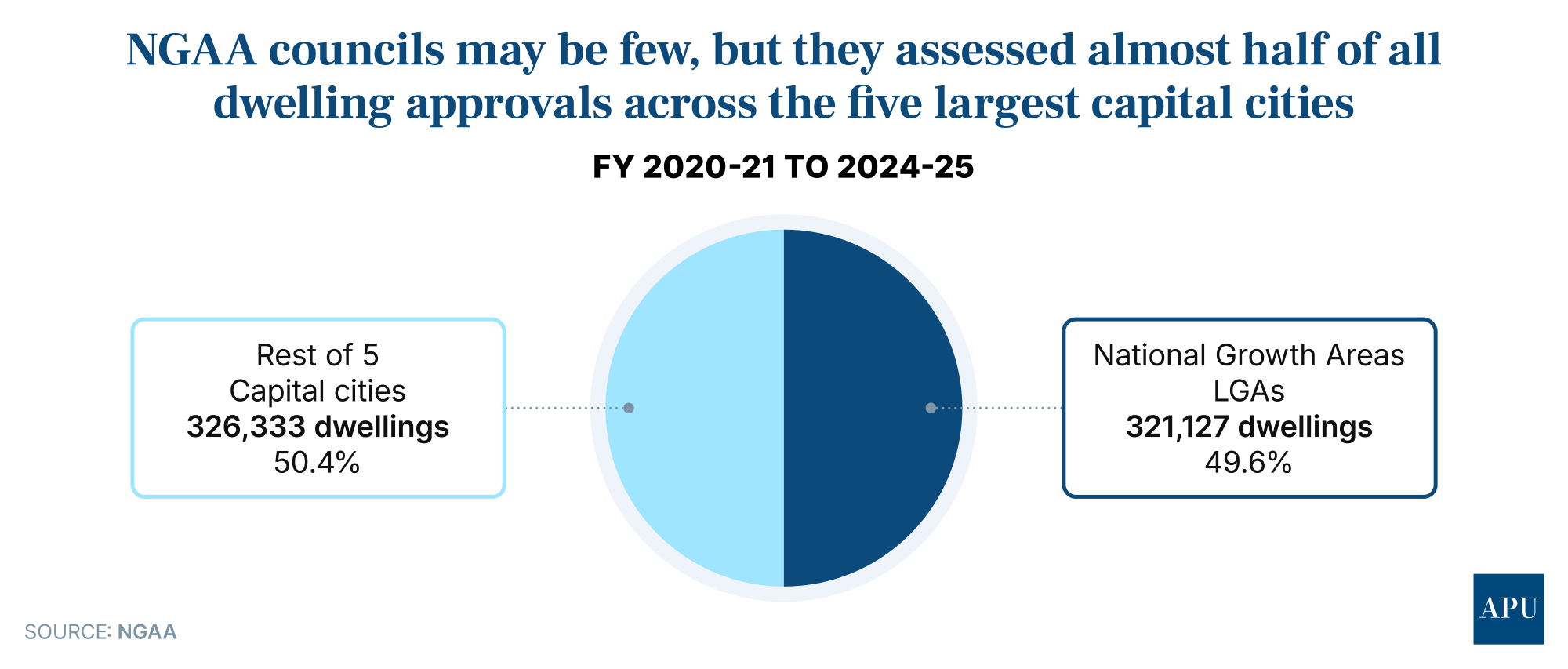
“The facts are that Growth Area Councils have become the backbone of housing supply, making up 35% of home approvals nationally.”
Data in the report shows that Australia’s 29 Growth Area councils approve an average of more than 61,000 homes a year.
Over the past five years, those councils have approved around 320,000 dwellings.
That’s roughly half of all approvals across the five capital cities.
In Melbourne, six of the seven councils on track to exceed housing targets are Growth Area councils.
In Sydney, five of the top ten councils for development application performance are also Growth Areas.
Despite this, the development pipeline is increasingly blocked.
The NGAA says 2024 data shows that 33% of potential housing projects cannot proceed to construction without additional enabling infrastructure, which is usually provided by State government entities.
The impact is particularly acute in fast-growing regions, with infrastructure shortfalls affecting up to 47% of planned builds in Greater Sydney, 45% in south-east Queensland and 31% in Greater Melbourne.
“If enabling infrastructure is not funded in Growth Areas, the planned 300,000 new homes in these communities will not be built by the 2029 deadline,” Ms Clark says.
“The shortfall will have huge implications for the current target of 1.2 million new homes laid out in the National Housing Accord.”
The Beyond Bricks report makes a number of recommendations, including that outer suburban Growth Areas be recognised as distinct metropolitan regions and are allocated priority status for housing development.
It also seeks to bust what it says are a number of “myths”, including that infrastructure for greenfield sites is always more expensive than infill development.
“Early, sequenced infrastructure in greenfield is often more efficient than retrofits,” it says, “and infill also carries major, unexamined costs.
“Much of Australia’s 260,000 km urban water network is near end-of-life; replacements and new demand (≈315 GL/yr) imply multi-billion upgrades.
“This myth is perpetuated by the fact that research has been published on greenfield infrastructure costs, but not on the cost of upgrading established infrastructure to support increased capacity for infill development.”
Growth Areas are already home to more than one in five Australians, with the population expected to rise from 5.8 million today to around 7 million by 2031.
Councillor Teresa Lynes, Chair of the National Growth Areas Alliance and Mayor of the City of Gosnells in Perth’s south-east, says government policy fails to recognise where Australians actually want to live.
“Governments are operating under a false assumption that higher house prices and greater density in inner cities mean that these locations are more desirable,” Councillor Lynes says.
“However, population data shows people are choosing outer suburban communities and the Australian dream of a house and backyard.”
Internal migration data shows that more than half of Growth Area residents have lived at the same address for at least five years, while many of those who have moved have relocated from other Growth Areas.

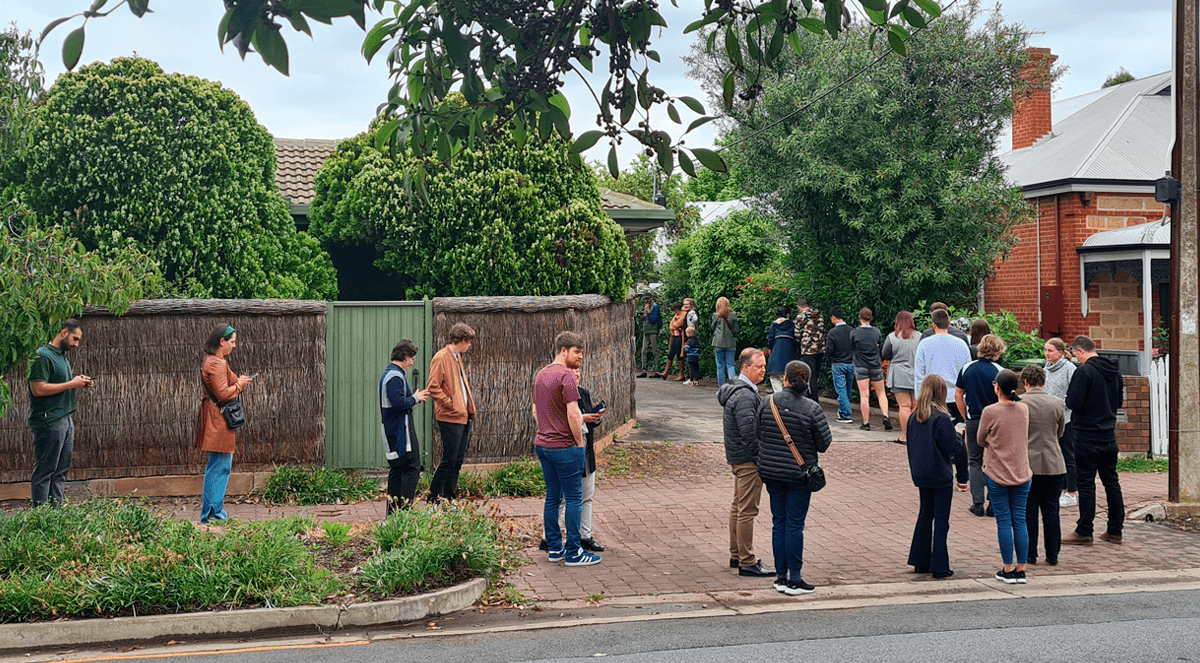
Teresa Lynes says the lack of infrastructure is already affecting daily life in these communities.
“We’re seeing entire estates without connected sewerage and insufficient water,” she says.
“The Government is failing these Australians before their house is even built, let alone by the subsequent underfunding of infrastructure communities need to thrive once they move in.”
The report also highlights significant gaps in access to services in Growth Areas, with residents far less likely to live near public transport, healthcare, education, arts, culture and sporting facilities compared with established suburbs.
With only three and a half years remaining until the National Housing Accord deadline expires in mid-2029, Councillor Lynes says there is still time to change course.
“Growth Areas are Australia’s biggest infrastructure project and housing opportunity,” Councillor Lynes says.
“It’s time for all levels of government to work together strategically and efficiently to deliver non-negotiables, like sewerage, energy and roads in the areas that are ready to build the homes of tomorrow.”







.jpg?width=1920&height=1080&name=WTF%20Is%20Happening%20To%20The%20Housing%20Market!%20$500%20Billion%20Wiped%20Out%20As%20Prices%20Fall%20Faster%20Every%20Month%20Scott%20Kuru%20YPU%20027%20(1).jpg)

%20Scott%20Kuru%20YPU%20025.jpg?width=1920&height=1080&name=This%20Is%20Worse%20Than%20A%20Recession%20RBA%20Admits%20Australias%20Wage%20Collapse%20Cant%20Be%20Stopped%20(Prepare%20Now)%20Scott%20Kuru%20YPU%20025.jpg)




























.jpg?width=1920&height=1080&name=EXPOSED%20How%20The%20Govt%20Let%20These%20Oil%20Giants%20Get%20Away%20With%20Paying%20Zero%20Tax%20For%20Aussie%20Gas%20Scott%20Kuru%20DPU%20256%20(1).jpg)







%20Scott%20Kuru%20DPU%20248.jpg?width=1920&height=1080&name=Major%20Banks%20CAUGHT%20Preparing%20For%20Australia%E2%80%99s%20Biggest%20Housing%20Crash%20(Defaults%20%26%20Bankruptcies%20Coming)%20Scott%20Kuru%20DPU%20248.jpg)
%20Scott%20Kuru%20DPU%20247.jpg?width=1920&height=1080&name=This%20Is%20How%20Australia%20Gets%20Pushed%20Into%20the%20Next%20Big%20Reset%20(Trust%20Collapse%20Has%20Officially%20Begun)%20Scott%20Kuru%20DPU%20247.jpg)







%20Scott%20Kuru%20DPU%20239.jpg?width=1920&height=1080&name=URGENT%20Life%20In%20Australia%20Has%20Become%20Impossible%20For%20Millions%20Of%20Aussies%20(It%E2%80%99s%20About%20To%20Get%20Worse)%20Scott%20Kuru%20DPU%20239.jpg)











%20Scott%20Kuru%20DPU%20227.jpg?width=1920&height=1080&name=URGENT%20ALERT%20Australia%E2%80%99s%20Property%20Market%20Is%20Sliding%20Into%20Something%20Much%20Bigger%20(Prepare%20Now)%20Scott%20Kuru%20DPU%20227.jpg)