









.png?width=292&height=292&name=Copy%20Link%20(1).png)

 SIGN UP FOR FREE NEWSLETTER
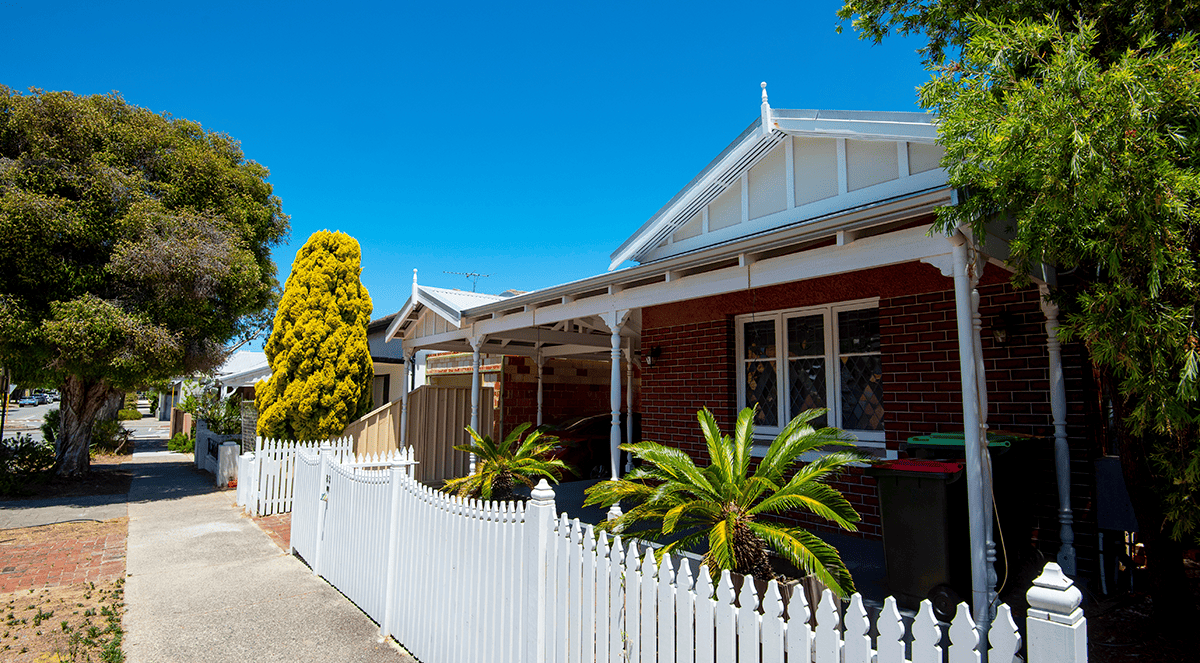
Australia’s residential property market may be cooling nationally, but fresh data shows buyers are still competing strongly for homes in dozens of areas, with homes in some regions selling almost twice as fast as they were a year ago.
New analysis from realestate.com.au found that in 40 of Australia’s 86 SA4 regions with usable housing data, homes were selling faster in July 2026 than at the same time last year, despite five consecutive months of national price falls.
The strongest results were concentrated in regional Australia, where lower prices continue to attract buyers priced out of expensive capital-city markets.
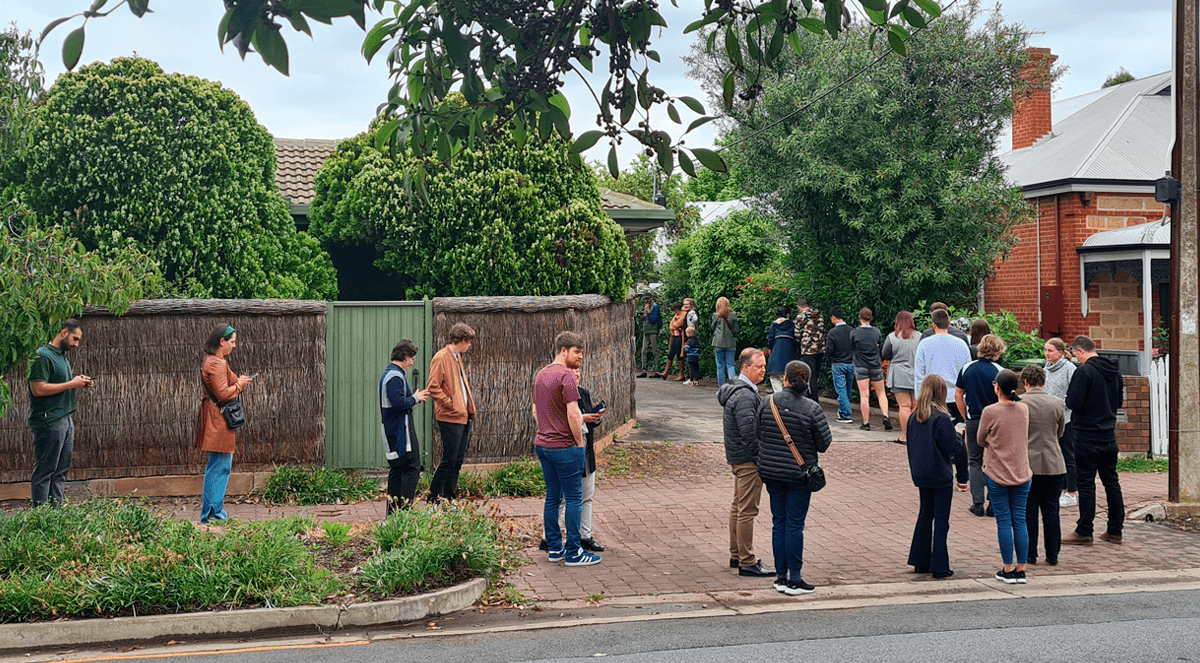
But the figures also appear to show surprisingly solid demand in many inner-city property markets, despite high interest rates and supposedly weak consumer and investor sentiment.
The details
The realestate.com.au analysis compares days on market - the average number of days it takes a home to sell, across 86 geographic regions with populations of at least 100,000.
Falling selling times generally indicate stronger competition, while rising days on market suggest buyers have more negotiating power.
Forty regions recorded faster sales than a year ago, with the majority outside the major capitals.
The biggest falls in selling times were recorded in Tasmania.
In the Launceston and North East region, the average time required to sell a home plunged 43% over the year, from 56 days to just 32 days.
Separate Cotality data also points to strong price growth in the area, with home values in the city of Launceston up 14.9% over the past year.
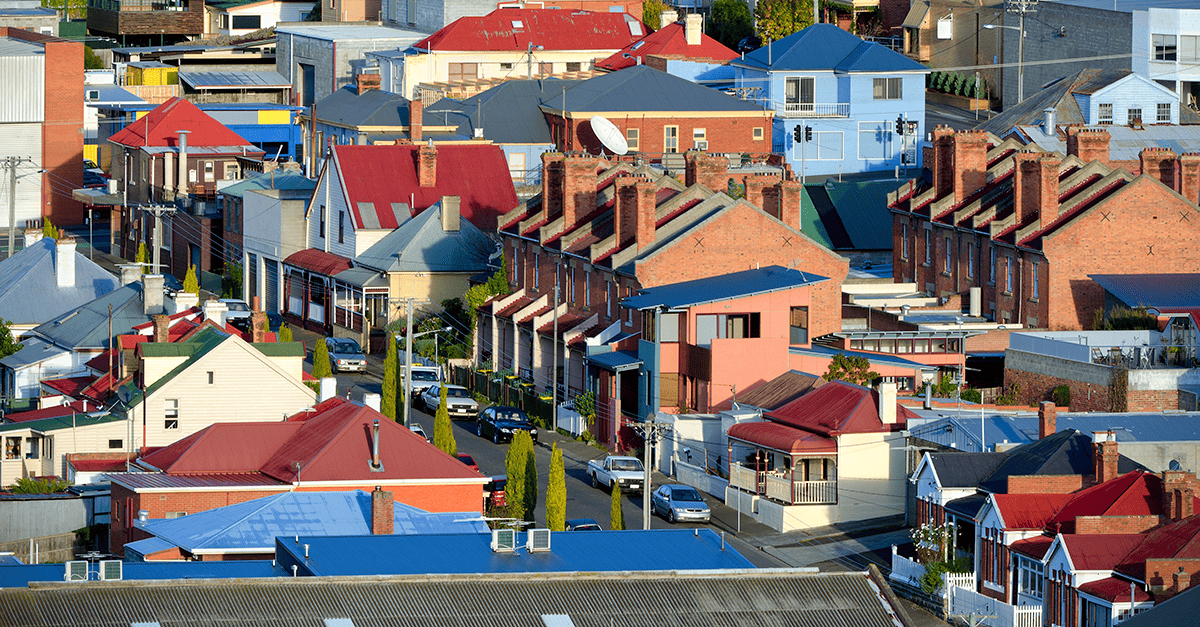
West and North West Tasmania were close behind, with a 41% decline, from 83 days to 49, while Hobart selling times fell 37%, from 48 days to 30.
Inland areas of New South Wales also recorded strong buyer demand, with selling times in the Far West and Orana region, which includes Dubbo and Broken Hill, falling 32% over the year, from 59 days to 40.
New England and North West dropped from 70 days to 48, while the Riverina fell from 72 days to 50.
REA Group senior economic analyst Megan Lieu says the pattern reflects continuing demand for relatively affordable housing.
“A lot of this has to do with declining housing affordability, especially since interest rates rose again earlier this year,” she says.
“We’re seeing a lot more demand at the lower end of the market and regional markets tend to be more affordable compared to capital city areas, so I think they are going to be a lot more resilient because of that.”
Ms Lieu also points to the long-term shift towards regional living.
“There has also been an uptick in migration into regional areas from capital city areas, and it has been net positive into regional areas for a very long time, so that’s a longer-term trend driving demand as well.”
The pattern is consistent with broader REA Group figures released this week showing regional prices remain far more resilient than those in the capital cities.
Nationally, home prices fell 0.2% in August and are now 2.7% below their March peak, but remain 1.8% higher than a year ago.
Regional prices, however, are only 0.5% below their peak and 6.6% higher over the year, compared with annual growth of just 0.2% across the capitals.
Not just regions
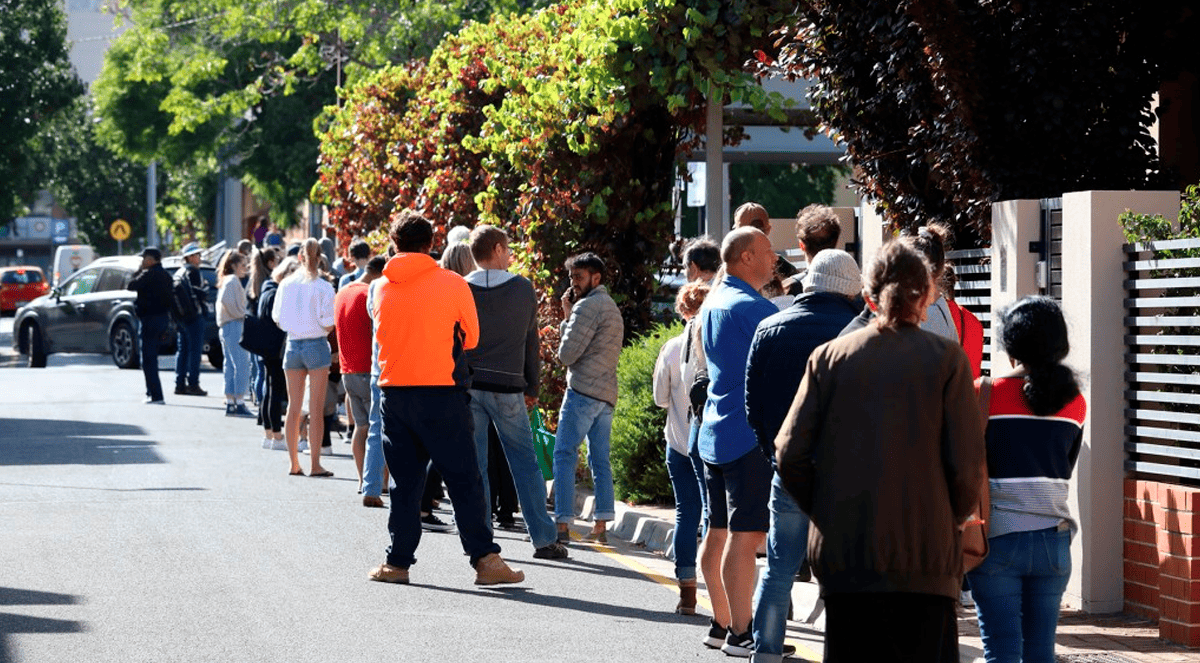
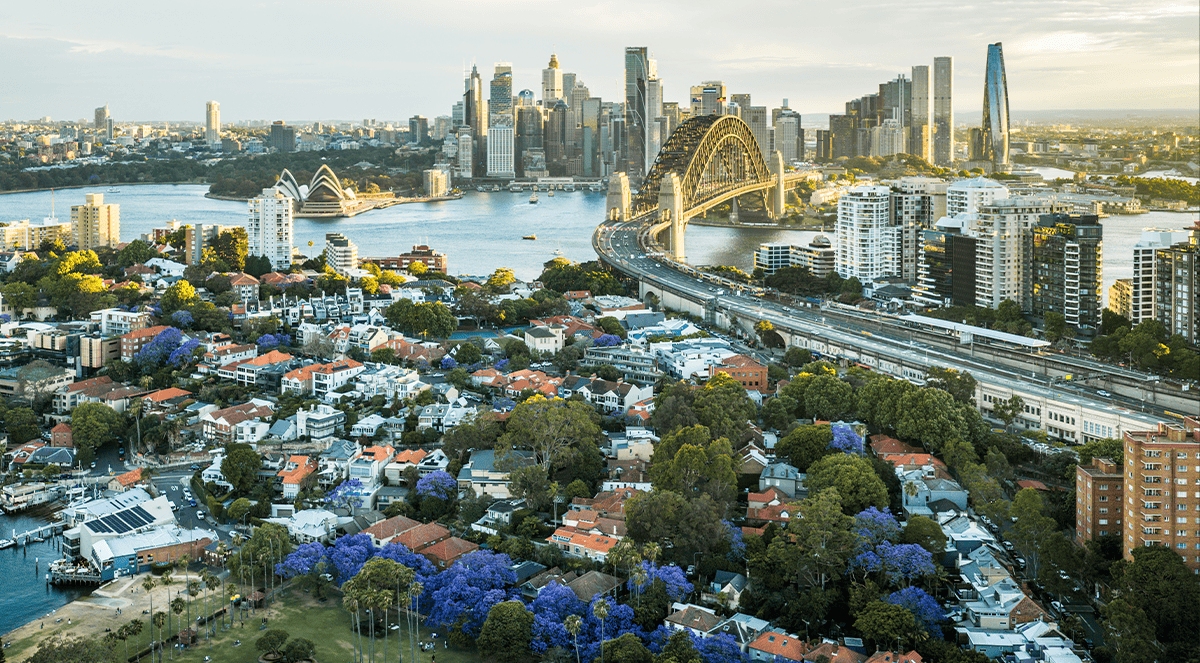
While regional areas dominate the realestate.com.au list, several suburban areas saw stronger buyer demand than last year, led by Perth - Inner, which includes the WA capital’s CBD and some of its most expensive suburbs.
Days on market dropped by 11% over the year, from 46 days in July 2025 to 41 days this year.
The ACT also recorded a 10% fall in days on market, while Perth – North East was down 5% and Adelaide – Central and Hills fell 4%.
Even Inner Melbourne, despite a slight annual decline in prices, saw selling times tighten from 32 days to 31.
Days on market in suburban SA4 regions covering Adelaide - South (SA), Central Coast (NSW), Melbourne - North East (VIC), Sydney - Inner West and Sydney - Parramatta (NSW) were all unchanged from July last year.
This indicates significant buyer interest in areas of the major capital cities, despite changes to investor rules and official interest rates being 0.5% higher than in July 2025.
The days-on-market figures provide another reminder that Australia does not have one housing market.
While national prices have softened and buyer confidence may have weakened, demand remains strong in many affordable regions and suburbs where supply is limited and investors and owner-occupiers are still competing for stock.







.jpg?width=1920&height=1080&name=WTF%20Is%20Happening%20To%20The%20Housing%20Market!%20$500%20Billion%20Wiped%20Out%20As%20Prices%20Fall%20Faster%20Every%20Month%20Scott%20Kuru%20YPU%20027%20(1).jpg)

%20Scott%20Kuru%20YPU%20025.jpg?width=1920&height=1080&name=This%20Is%20Worse%20Than%20A%20Recession%20RBA%20Admits%20Australias%20Wage%20Collapse%20Cant%20Be%20Stopped%20(Prepare%20Now)%20Scott%20Kuru%20YPU%20025.jpg)





























.jpg?width=1920&height=1080&name=EXPOSED%20How%20The%20Govt%20Let%20These%20Oil%20Giants%20Get%20Away%20With%20Paying%20Zero%20Tax%20For%20Aussie%20Gas%20Scott%20Kuru%20DPU%20256%20(1).jpg)







%20Scott%20Kuru%20DPU%20248.jpg?width=1920&height=1080&name=Major%20Banks%20CAUGHT%20Preparing%20For%20Australia%E2%80%99s%20Biggest%20Housing%20Crash%20(Defaults%20%26%20Bankruptcies%20Coming)%20Scott%20Kuru%20DPU%20248.jpg)
%20Scott%20Kuru%20DPU%20247.jpg?width=1920&height=1080&name=This%20Is%20How%20Australia%20Gets%20Pushed%20Into%20the%20Next%20Big%20Reset%20(Trust%20Collapse%20Has%20Officially%20Begun)%20Scott%20Kuru%20DPU%20247.jpg)







%20Scott%20Kuru%20DPU%20239.jpg?width=1920&height=1080&name=URGENT%20Life%20In%20Australia%20Has%20Become%20Impossible%20For%20Millions%20Of%20Aussies%20(It%E2%80%99s%20About%20To%20Get%20Worse)%20Scott%20Kuru%20DPU%20239.jpg)











%20Scott%20Kuru%20DPU%20227.jpg?width=1920&height=1080&name=URGENT%20ALERT%20Australia%E2%80%99s%20Property%20Market%20Is%20Sliding%20Into%20Something%20Much%20Bigger%20(Prepare%20Now)%20Scott%20Kuru%20DPU%20227.jpg)





%20Scott%20Kuru%20DPU%20221.jpg?width=1920&height=1080&name=The%20AI%20Situation%20in%20Australia%20Just%20Hit%20a%20Point%20of%20No%20Return...%20(Major%20Bank%20Proves%20It)%20Scott%20Kuru%20DPU%20221.jpg)