








.png?width=292&height=292&name=Copy%20Link%20(1).png)

 SIGN UP FOR FREE NEWSLETTER
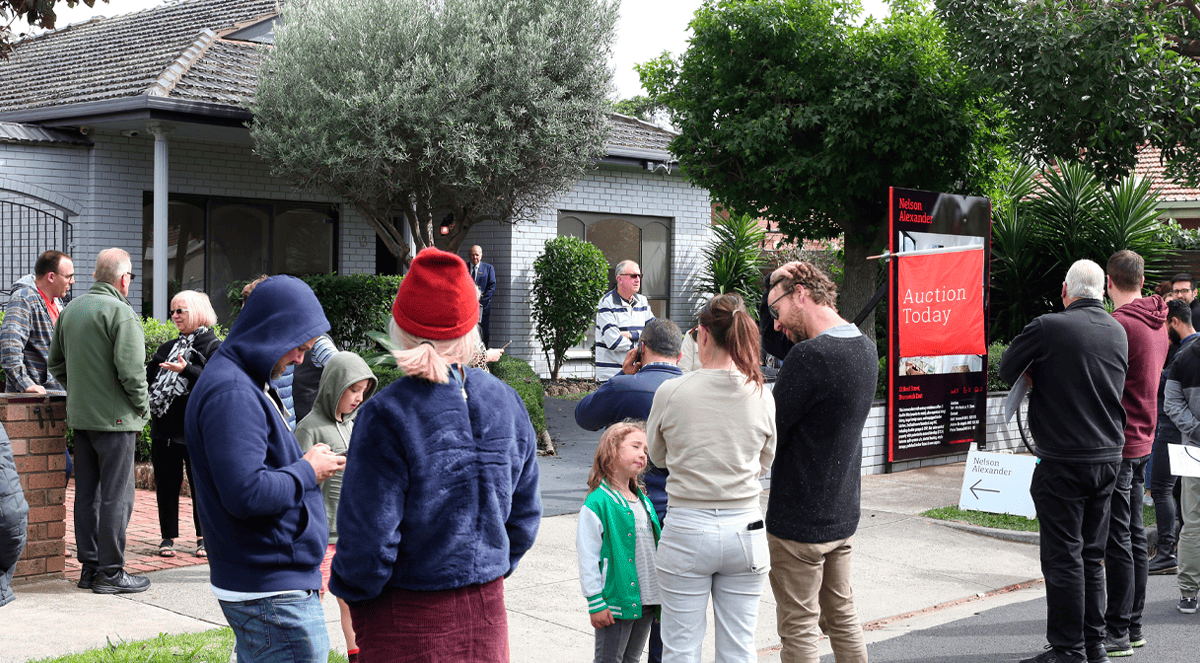
Image by Stephen McKenzie
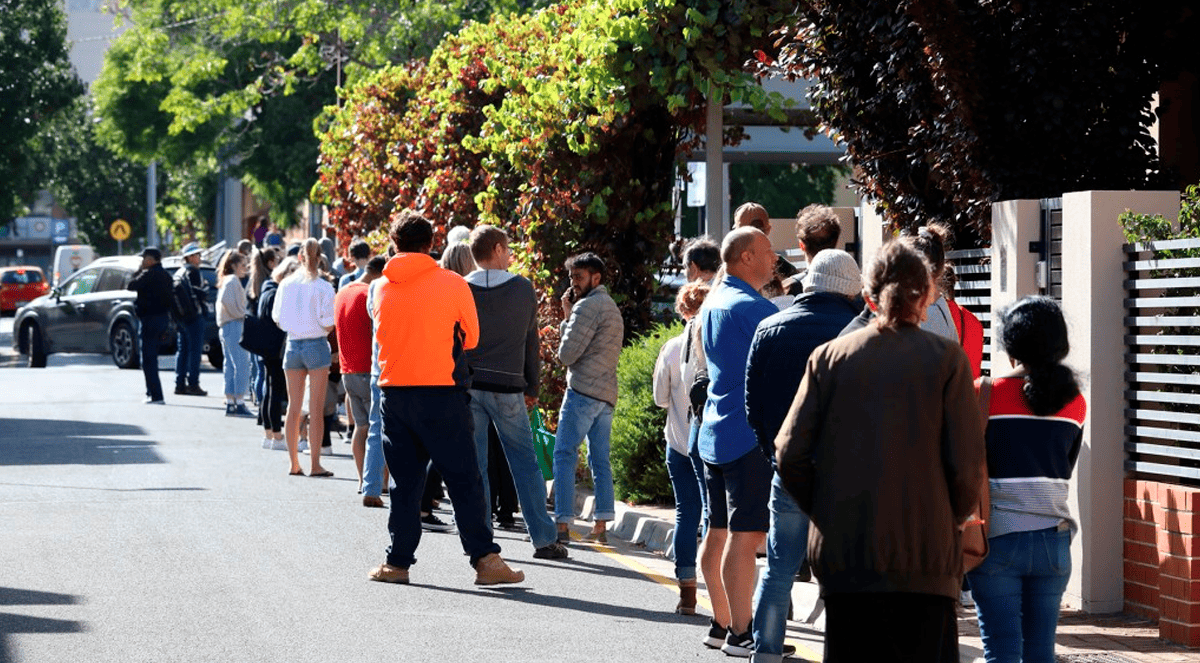
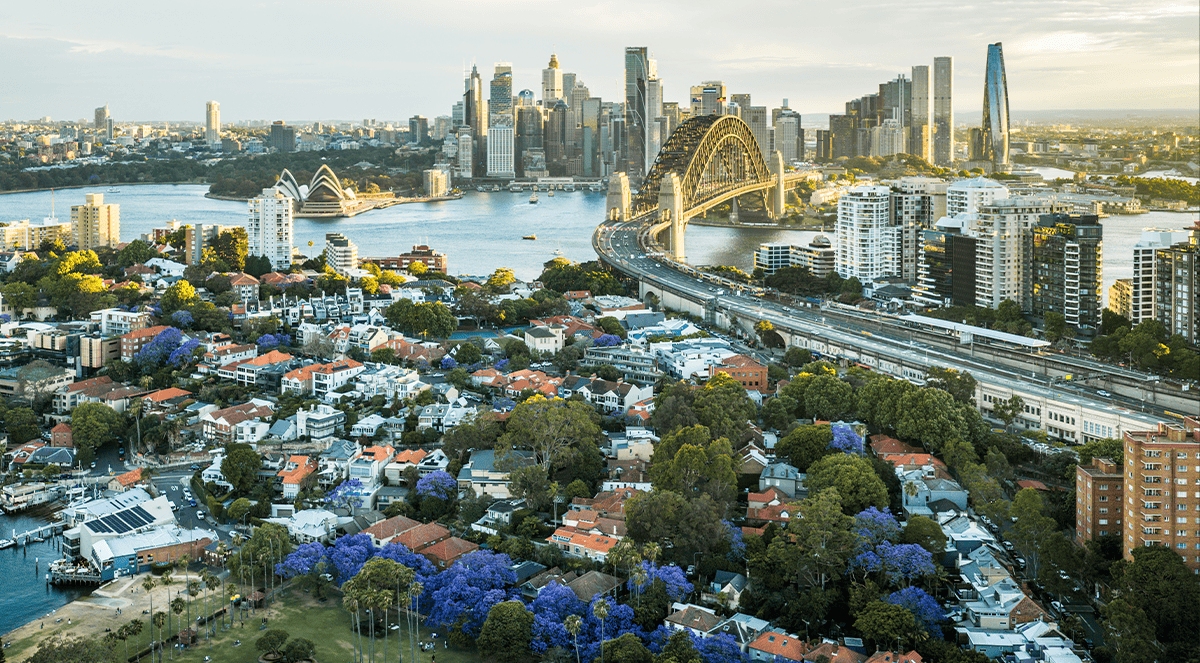
Housing affordability in Australia has fallen to its worst level on record, with a typical household now able to afford just 12% of homes sold across the country.
A new realestate.com.au Housing Affordability Report shows higher home prices and three Reserve Bank interest rate rises in 2026 have combined to slash household borrowing power, overwhelming the benefits of rising incomes and recent falls in property prices.
For investors, the implication is clear: as buying becomes increasingly out of reach, renting is likely to remain the default housing option for a growing number of Australian households.
The details
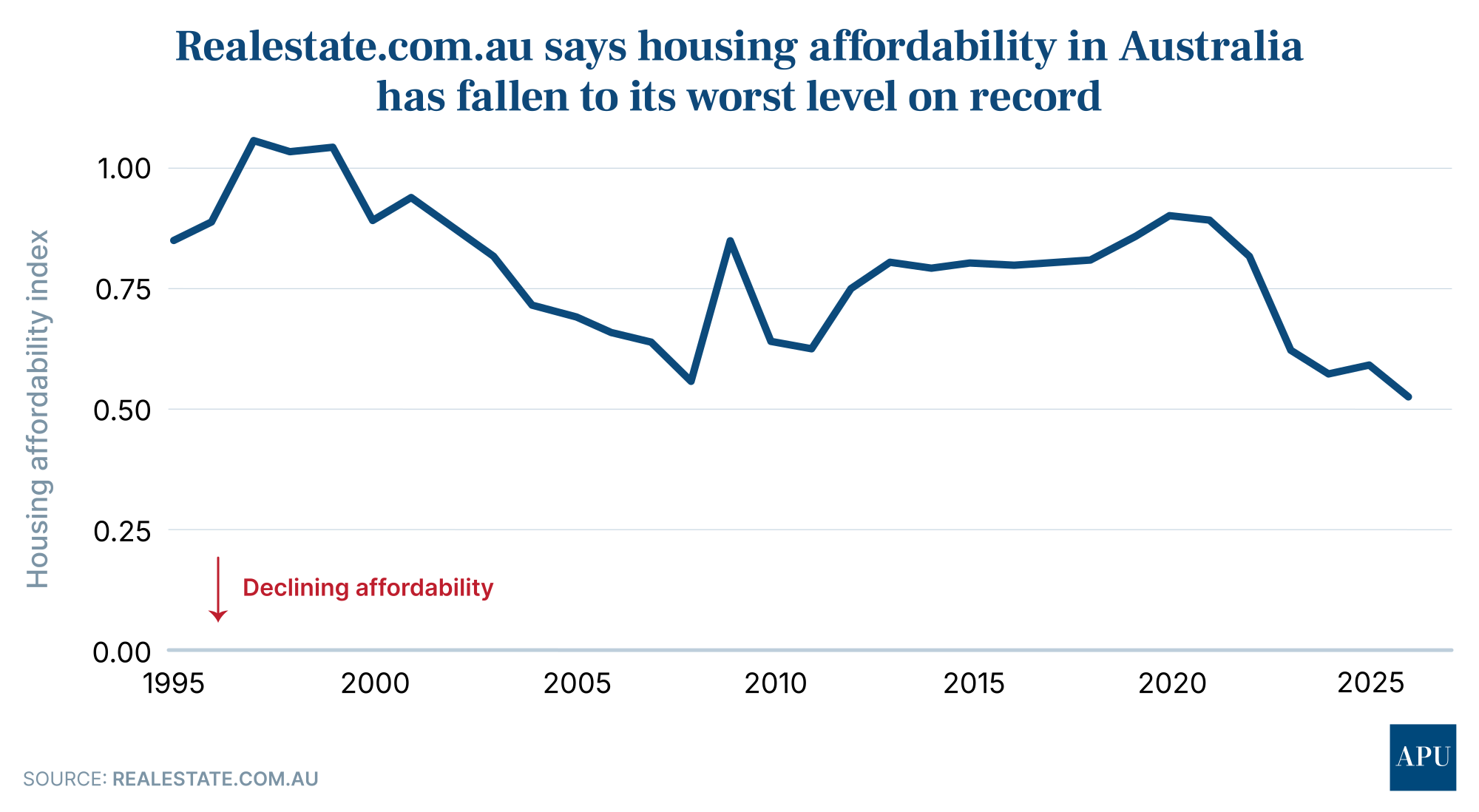
The Housing Affordability Report is an annual publication from realestate.com.au and PropTrack which measures the proportion of homes that households at different income levels could afford to buy.
Its modelling assumes buyers devote no more than 30% of gross household income to mortgage repayments, already have a 20% deposit and are assessed at the prevailing mortgage rate plus a 2.5% serviceability buffer.
For a median-income household earning a little over $125,000 a year, only 12% of homes sold during the 2025-26 financial year passed that affordability test.
That was down from 14% during the previous record low in 2008 and represents a dramatic reversal from just five years ago, when historically cheap mortgages meant a median-income household could afford 43% of homes sold.
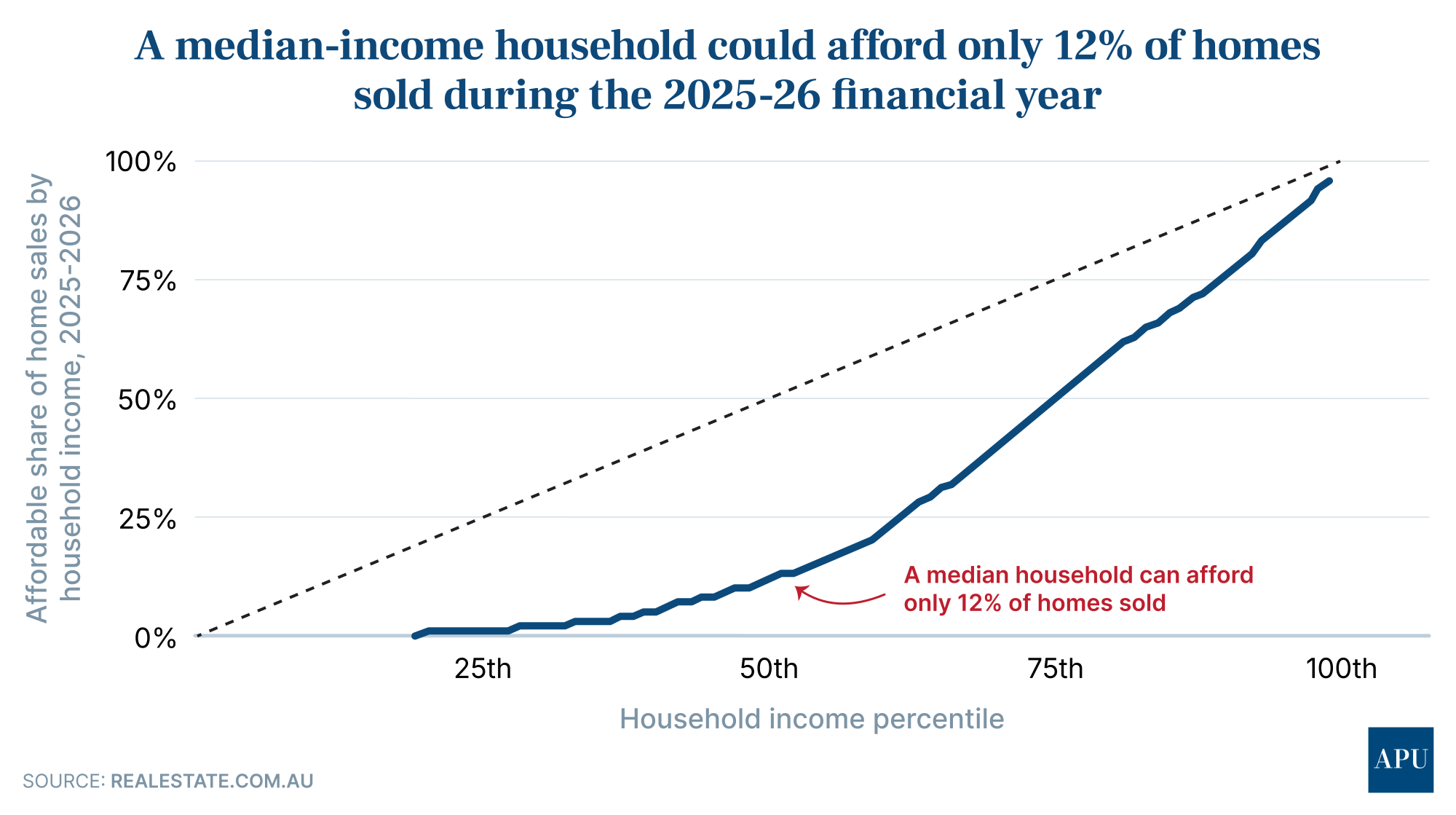
The deterioration has been particularly severe for lower-income Australians, with households earning about $76,000 a year able to afford just 2% of properties sold.
For those earning around $65,000, the figure falls to just 1%.
“Nationally, housing affordability remains challenged for most Australians, despite the slight reprieve offered last year,” realestate.com.au Senior Economist Angus Moore says.
“The three RBA interest rate hikes made in February, March and May increased mortgage rates and further constrained household borrowing capacity amid an already difficult cost-of-living environment.
“This combination pushed affordability to a record low, as a typical-income household in FY26 could afford just 12% of homes.”
Average new variable owner-occupier mortgage rates rose from a recent low of 5.8% to 6.3% by June 2026 after the RBA lifted rates three times.
Meanwhile, the national median home price increased by just over 5% over the 2025-26 financial year, while household incomes rose by an estimated 4.5%.
Recent easing in property prices came too late, and were too small, to compensate for higher mortgage rates and the earlier increase in values.
The result, according to realestate.com.au, is a mortgage burden approaching levels not seen for nearly four decades.
In 1989, when mortgage rates were around 15.5%, repayments consumed 37.5% of average household income.
Today’s average borrowing rate is far lower at 6.3%, but much higher property prices mean repayments still absorb 35.5% of income.
The squeeze is particularly acute at the lower end of the market.
Realestate.com.au says cheaper homes have recorded stronger price growth than middle and premium properties since mid-2022.
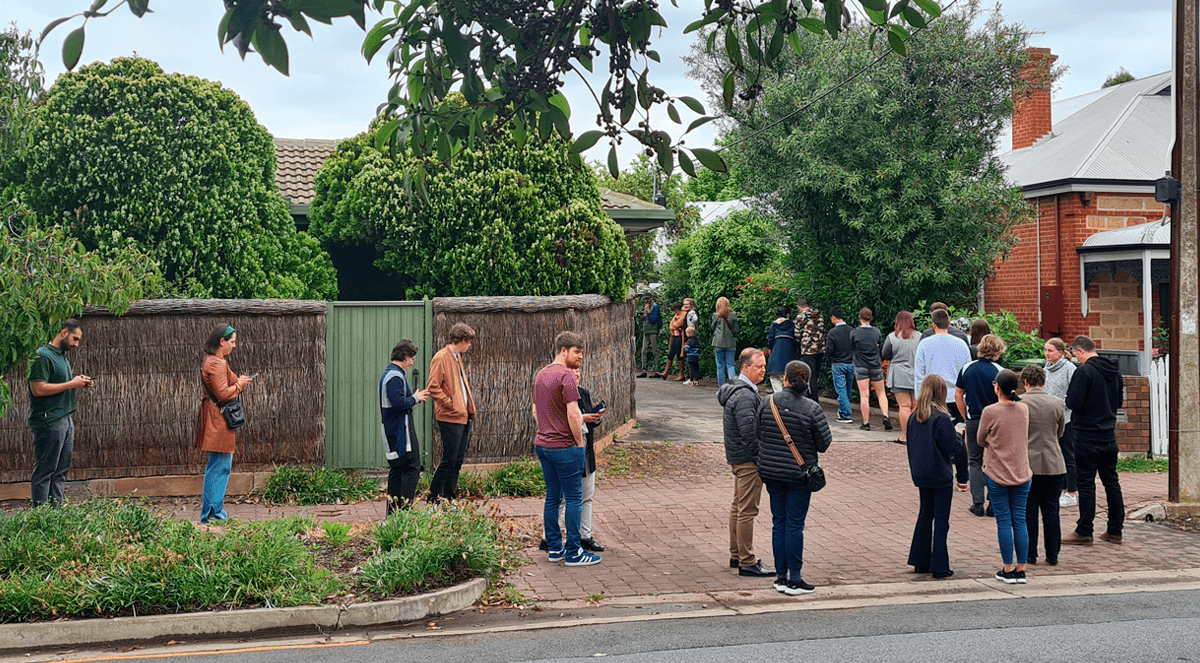
It attributes some of that demand to government first-home buyer programs and increased investor activity, which have intensified competition for lower-priced property.
And because of that lift in the prices of cheaper property, a household at the 25th percentile of the income distribution could afford only 1% of homes sold in the 2025-26 financial year, compared with 9% in 2020.
The report also delivers a warning about schemes designed to overcome the deposit hurdle.
The Federal Government’s expanded 5% Deposit Scheme has helped more buyers enter the market without saving a traditional 20% deposit.
Around half of first-home buyer loans are now being written under the scheme, up from about one-quarter before its expansion in October 2025.
But the report argues such programs do not improve underlying affordability because they bring demand forward and can push prices higher.
“In the short term, these schemes help first-home buyers enter the property market, but also bring forward demand by shortening the time to save, bidding up prices and further deteriorating long-term affordability,” it says.
Perhaps the biggest surprise is the changing state affordability rankings.
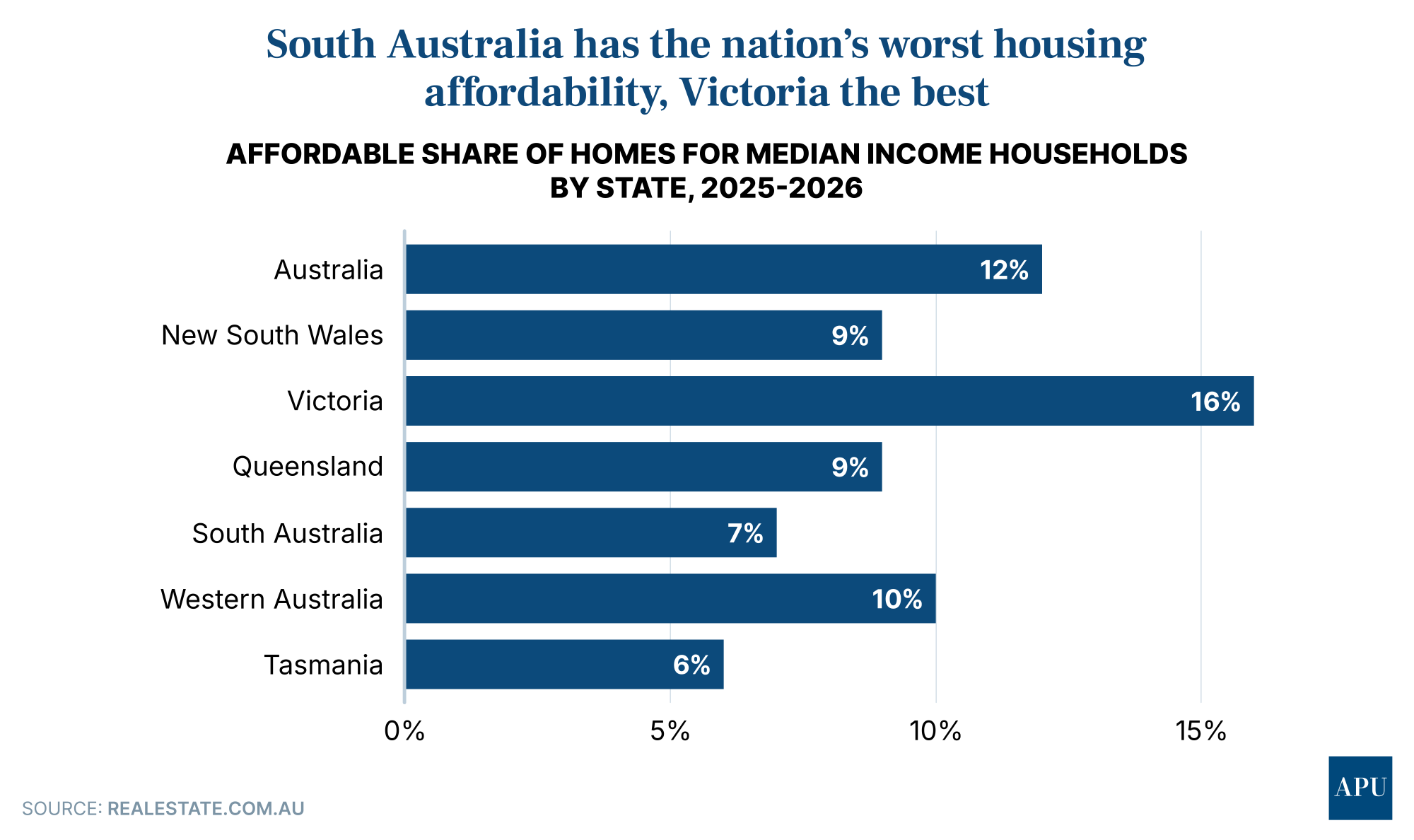
South Australia has overtaken NSW to become Australia’s least affordable state overall for the first time since 2011.
A median-income SA household earning about $103,000 can afford just 7% of homes sold.
Mortgage repayments consume 43.9% of average household income - the highest proportion in Australia - while saving a 20% deposit takes 7.4 years.
NSW is now the second-least affordable state, while Queensland ranks third.
Victoria, despite also becoming less affordable over the past year, is now Australia’s most affordable state for the first time since the index began in 1995, largely because Melbourne prices have underperformed other capitals.
A median-income Victorian household earning around $127,000 could afford 16% of homes sold.
Falling home prices could provide some relief in coming months, but realestate.com.au warns it is unlikely to dramatically change the picture.
“Looking ahead, affordability may improve marginally if home prices continue to soften, but this is unlikely to be a turning point for many buyers,” Mr Moore says.
“Without a meaningful increase in housing supply, affordability will remain a significant challenge, particularly for lower-income households.”
The report’s message is stark: Australia’s affordability problem is no longer simply about saving a deposit or finding a cheaper suburb.
For many households, the combination of high prices and reduced borrowing power means most of the housing market is now simply beyond reach.







.jpg?width=1920&height=1080&name=WTF%20Is%20Happening%20To%20The%20Housing%20Market!%20$500%20Billion%20Wiped%20Out%20As%20Prices%20Fall%20Faster%20Every%20Month%20Scott%20Kuru%20YPU%20027%20(1).jpg)
%20Scott%20Kuru%20YPU%20025.jpg?width=1920&height=1080&name=This%20Is%20Worse%20Than%20A%20Recession%20RBA%20Admits%20Australias%20Wage%20Collapse%20Cant%20Be%20Stopped%20(Prepare%20Now)%20Scott%20Kuru%20YPU%20025.jpg)



















.jpg?width=1920&height=1080&name=EXPOSED%20How%20The%20Govt%20Let%20These%20Oil%20Giants%20Get%20Away%20With%20Paying%20Zero%20Tax%20For%20Aussie%20Gas%20Scott%20Kuru%20DPU%20256%20(1).jpg)





%20Scott%20Kuru%20DPU%20248.jpg?width=1920&height=1080&name=Major%20Banks%20CAUGHT%20Preparing%20For%20Australia%E2%80%99s%20Biggest%20Housing%20Crash%20(Defaults%20%26%20Bankruptcies%20Coming)%20Scott%20Kuru%20DPU%20248.jpg)
%20Scott%20Kuru%20DPU%20247.jpg?width=1920&height=1080&name=This%20Is%20How%20Australia%20Gets%20Pushed%20Into%20the%20Next%20Big%20Reset%20(Trust%20Collapse%20Has%20Officially%20Begun)%20Scott%20Kuru%20DPU%20247.jpg)







%20Scott%20Kuru%20DPU%20239.jpg?width=1920&height=1080&name=URGENT%20Life%20In%20Australia%20Has%20Become%20Impossible%20For%20Millions%20Of%20Aussies%20(It%E2%80%99s%20About%20To%20Get%20Worse)%20Scott%20Kuru%20DPU%20239.jpg)







%20Scott%20Kuru%20DPU%20227.jpg?width=1920&height=1080&name=URGENT%20ALERT%20Australia%E2%80%99s%20Property%20Market%20Is%20Sliding%20Into%20Something%20Much%20Bigger%20(Prepare%20Now)%20Scott%20Kuru%20DPU%20227.jpg)